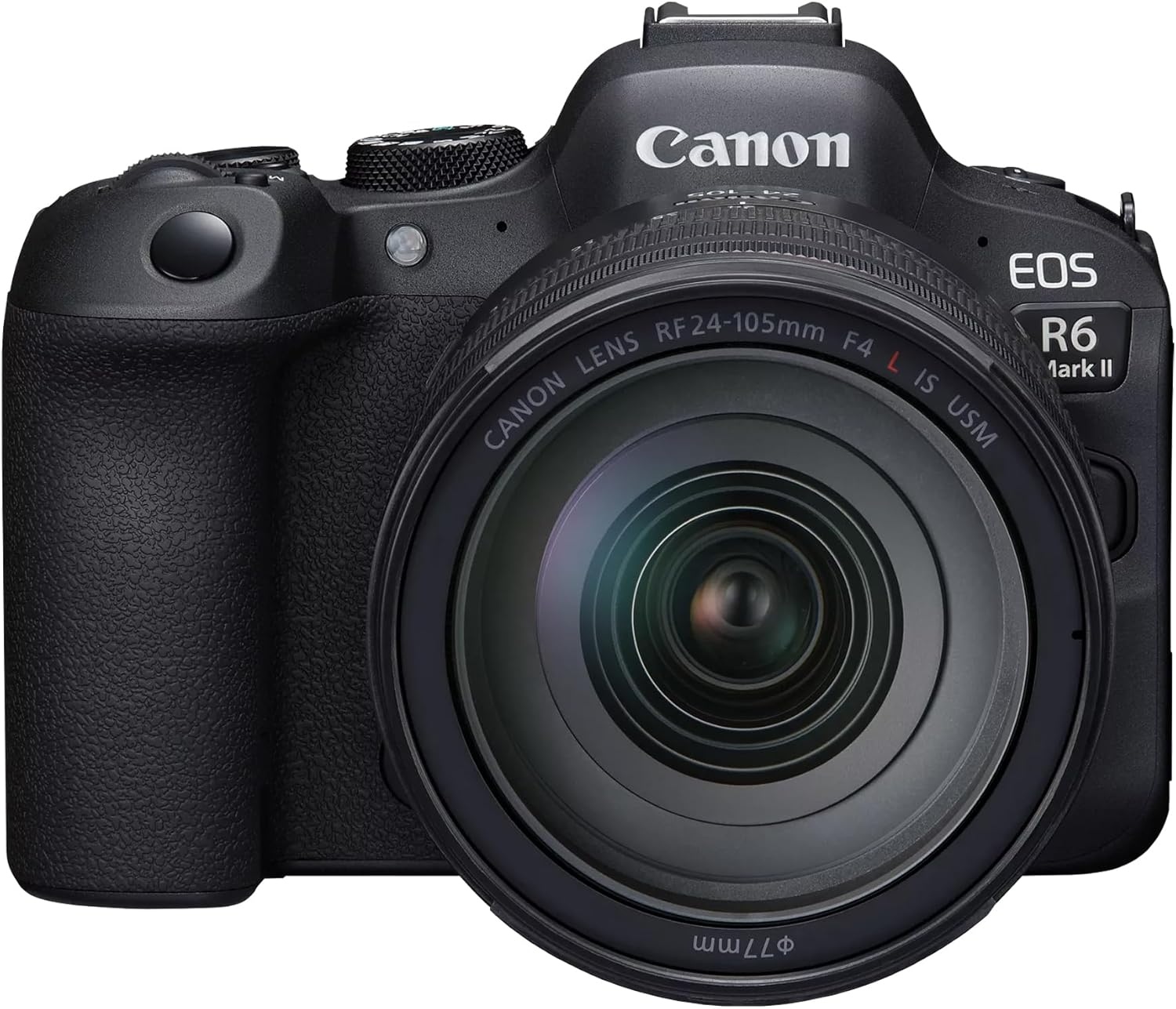
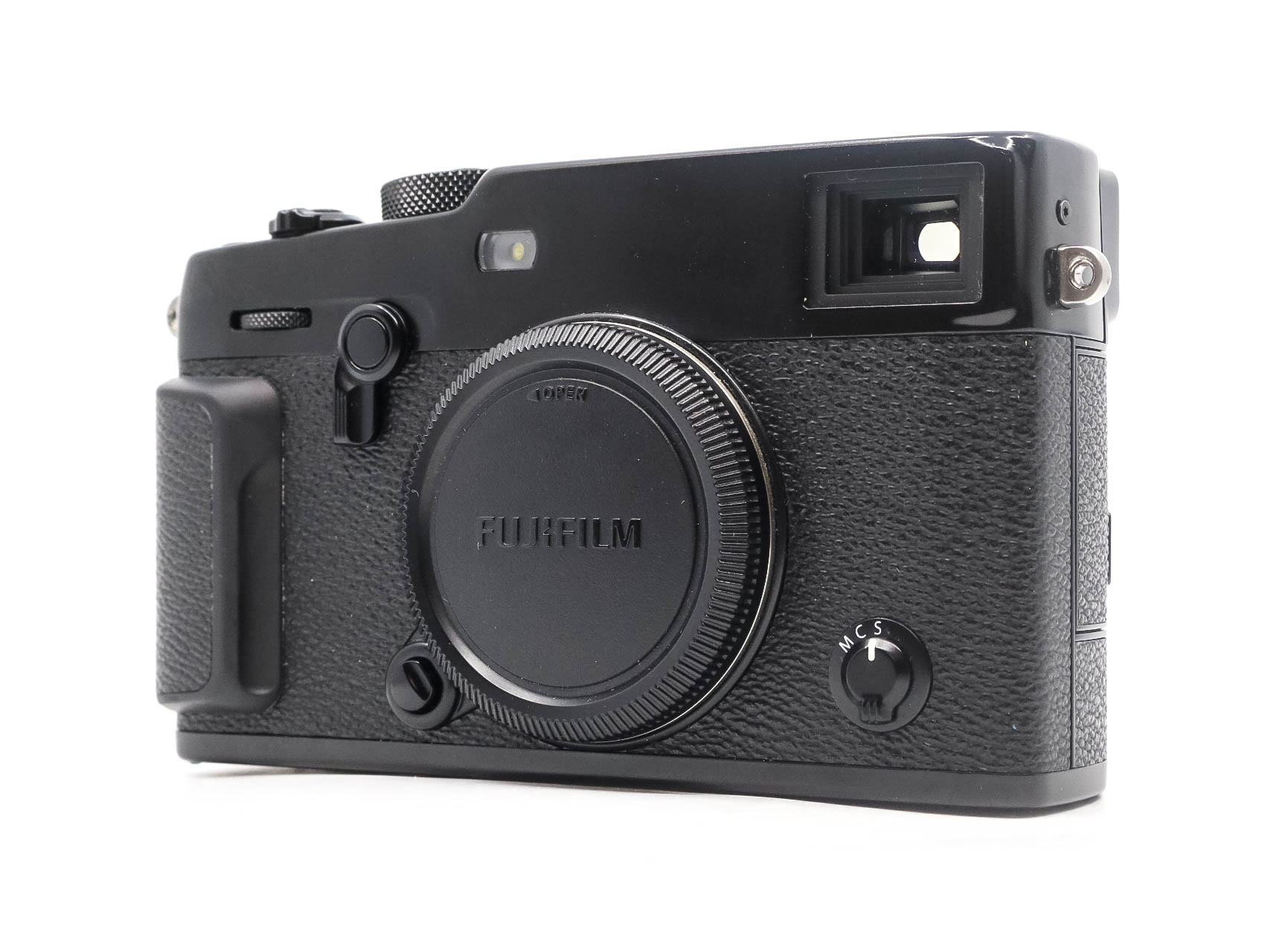
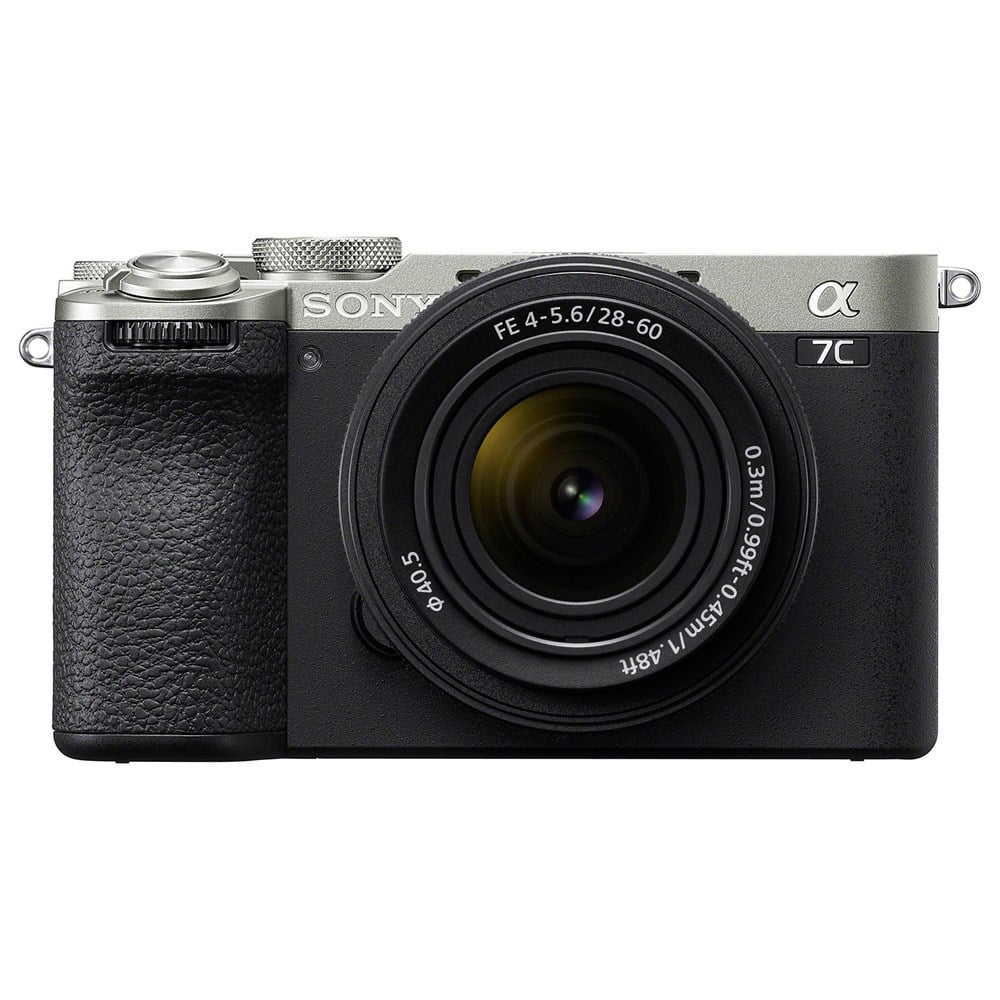
EOS R6 Mark IIvs Fujifilm X-Pro3vs A7C
 Fujifilm
 X-Pro3 (2019)
From £1599
Best for Street, documentary & rangefinder enthusiasts
View Fujifilm X-Pro3
Fujifilm
Fujifilm X-Pro3 (2019)
From £1599
Best for Street, documentary & rangefinder enthusiasts
View Fujifilm X-Pro3
Which should you buy?
Portraits & Action — EOS R6 Mark II (2022): 40fps burst, 8-stop IBIS, and Canon's best-in-class Dual Pixel AF — exceptional for action, sports, and portrait work.
Street, Documentary & Rangefinder Enthusiasts — Fujifilm X-Pro3 (2019): The most opinionated camera Fujifilm makes — a hidden screen and hybrid OVF enforce deliberate photography, rewarding photographers who slow down.
Compact Travel & Content Creation — A7C (2020): The A7C proves full-frame doesn't have to be bulky. Excellent battery life, reliable Eye AF and a vari-angle screen in a pocketable body is a compelling combination for travel and content creators. The A7C II improved on it, but the original remains a strong value buy.
Who should buy what
EOS R6 Mark II (2022)
- You want a do-everything full-frame body for weddings and events
- You need reliable subject tracking across stills and fast-moving video
- You shoot both photos and video professionally and need a single body that handles both
- You want Canon's colour science with a modern mirrorless system
Fujifilm X-Pro3 (2019)
- You shoot street or documentary photography and value a minimal shooting workflow
- You want a rangefinder experience with modern digital image quality
- You love Fujifilm film simulations and prioritise stills over video
A7C (2020)
- Travel photographers who want full-frame in the smallest possible body
- Content creators who need a flip screen and reliable Eye AF
- Photographers upgrading from APS-C who want to keep a compact kit
- Vloggers who need 4K and great battery life on the road
Quick take: The fujifilm x-pro3 has the highest resolution at 26mp; the a7c is the most affordable; only the eos r6 mark ii, fujifilm x-pro3 are weather sealed. Scroll down for the full spec breakdown.
Full specifications
| Specification | EOS R6 Mark II (2022) | Fujifilm X-Pro3 (2019) | A7C (2020) |
|---|---|---|---|
| Price | £2,099 | £1,599 | £1,299 |
| Sensor | 24.2MP Full-frame BSI CMOS | 26.1MP APS-C X-Trans CMOS IV | 24.2MP Full-Frame Exmor R BSI CMOS |
| Resolution | 24.2MP | 26.1MP | 24.2MP |
| Video | 4K/60p 10-bit oversampled, 6K RAW out, FHD/180p | 4K/30p, 1080p/120p | 4K/30p (oversampled), 1080p/120p slow-motion, S-Log2/S-Log3 |
| Autofocus | Dual Pixel CMOS AF II, 6072 zones, deep-learning subject tracking | Hybrid phase/contrast AF with face/eye detection | Phase-detect, 693 points, real-time Eye AF & animal AF |
| Stabilisation | 5-axis IBIS, 8.0 stops (coordinated with IS lenses) | None (lens-based only) | 5-axis IBIS, 5 stops |
| Burst Rate | 12fps mechanical, 40fps electronic | 11fps mechanical / 20fps electronic | 10fps with AF/AE tracking |
| Battery Life | ~760 shots (CIPA) | 440 shots (CIPA) | ~740 shots (CIPA) — outstanding for a Sony mirrorless |
| Weight | 670g body only | 497g body only | 509g (body, battery, card) |
| Dimensions | 138.4 × 98.4 × 88.4mm | 140.5 × 82.8 × 46.1mm | 124.0 × 71.1 × 59.7mm |
| Weather Sealed | Yes | Yes | No |
| Viewfinder | EVF, 3.69M dots, 0.76× magnification | Hybrid OVF/EVF — 0.5" OLED, 3.69M dots | None built-in — use rear screen or accessory EVF |
| Screen | 3.0" fully articulating touchscreen | 3.0" hidden sub-LCD (opens down only) | 3.0" vari-angle touchscreen, 921k dots |
| Mount | Canon RF mount (full-frame) | Fujifilm X-mount | Sony E-mount |
| Memory Cards | Dual SD UHS-II slots | Single SD UHS-I | Single SD UHS-II |
| Connectivity | USB-C 3.1, Bluetooth, Wi-Fi | USB-C, Wi-Fi, Bluetooth | USB-C (USB 3.2 Gen 2), Wi-Fi, Bluetooth, NFC |
Compare pairs from this group