X-A7vs A7Cvs A7S III
Which should you buy?
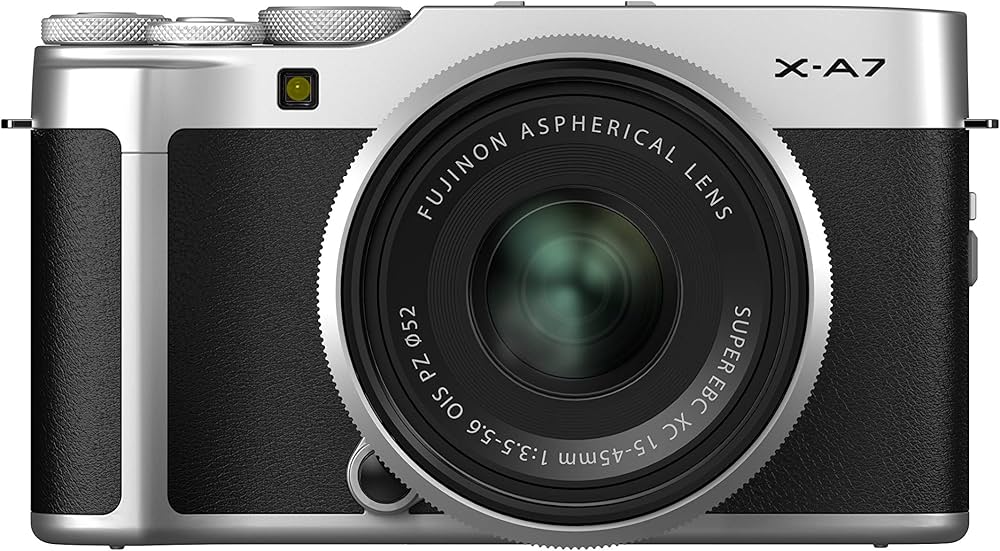
Beginner Fujifilm — X-A7 (2019): The most affordable X-mount entry — Fujifilm colour and film simulations with a large flip screen for beginners.
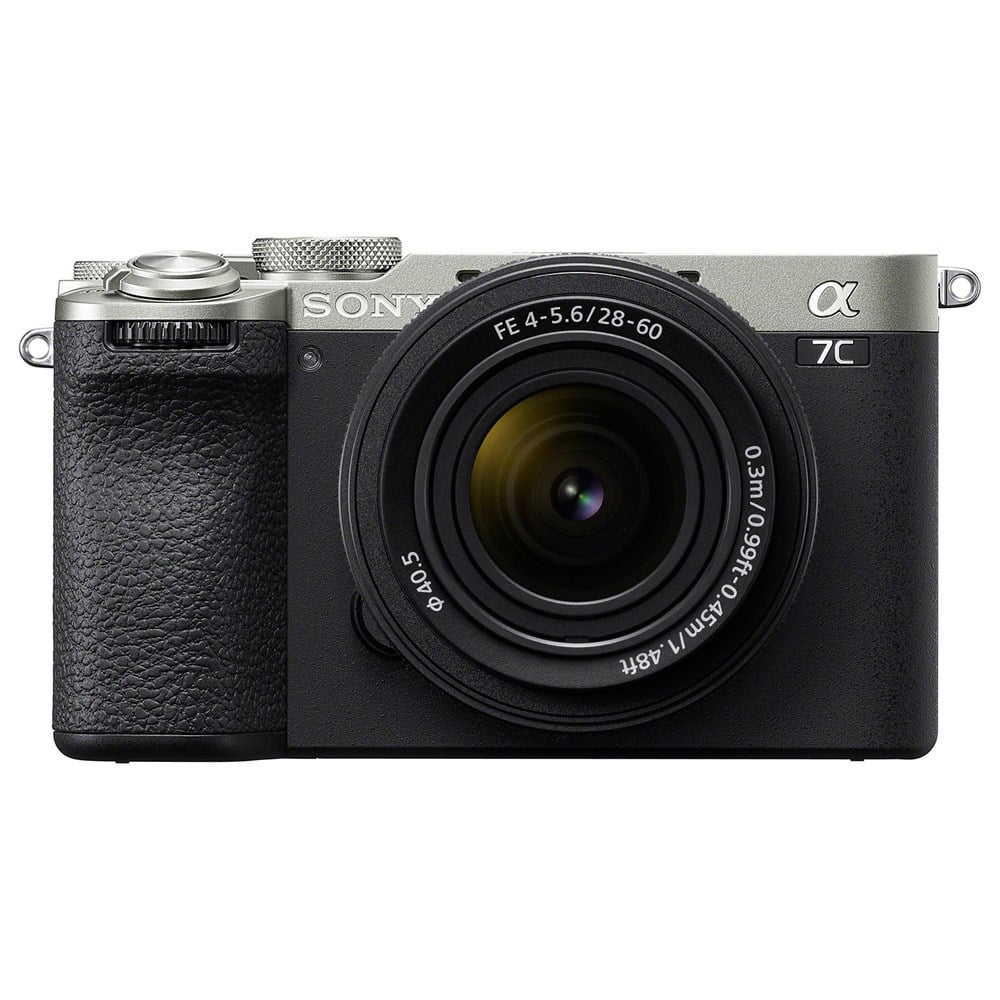
Compact Travel & Content Creation — A7C (2020): The A7C proves full-frame doesn't have to be bulky. Excellent battery life, reliable Eye AF and a vari-angle screen in a pocketable body is a compelling combination for travel and content creators. The A7C II improved on it, but the original remains a strong value buy.
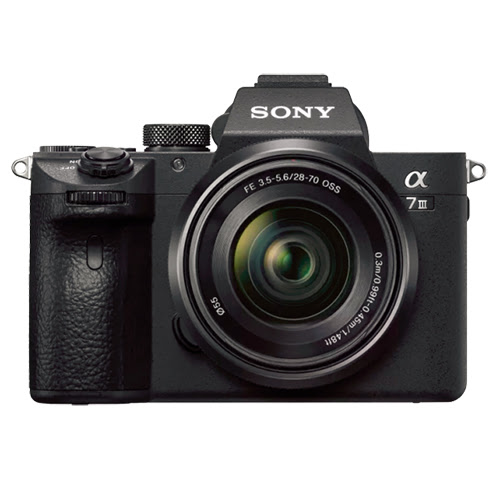
Professional Video & Low-Light Filmmaking — A7S III (2020): If video is your primary discipline, the A7S III is the camera. 4K/120p at 10-bit in a weather-sealed body with a 9.44M dot EVF is an extraordinary package. The 12MP sensor isn't limiting for video — and it's usable at ISO 409,600 in a pinch.
Who should buy what
X-A7 (2019)
- You want an affordable first mirrorless with decent video capabilities
- You shoot a lot of selfie-style content or vlog on a budget
- Note: no viewfinder and limited lens support — the X-T30 II is a better long-term investment
A7C (2020)
- Travel photographers who want full-frame in the smallest possible body
- Content creators who need a flip screen and reliable Eye AF
- Photographers upgrading from APS-C who want to keep a compact kit
- Vloggers who need 4K and great battery life on the road
A7S III (2020)
- Filmmakers and videographers who need 4K/120p at 10-bit
- Event videographers who shoot in dark venues regularly
- Documentary filmmakers who need reliable AF and weather sealing
- Hybrid shooters where video is primary and stills are secondary
Quick take: The x-a7 has the highest resolution at 24mp; the x-a7 is the most affordable; only the a7s iii is weather sealed. Scroll down for the full spec breakdown.
Full specifications
| Specification | X-A7 (2019) | A7C (2020) | A7S III (2020) |
|---|---|---|---|
| Price | £399 | £1,299 | £2,999 |
| Sensor | 24.2MP APS-C CMOS (Bayer, not X-Trans) | 24.2MP Full-Frame Exmor R BSI CMOS | 12.1MP Full-Frame BSI CMOS (12-bit, back-illuminated) |
| Resolution | 24.2MP | 24.2MP | 12.1MP |
| Video | 4K/30p, 1080p/60p | 4K/30p (oversampled), 1080p/120p slow-motion, S-Log2/S-Log3 | 4K/120p 10-bit, 4K/60p 10-bit S-Cinetone/S-Log3, 1080p/240p |
| Autofocus | Phase-detect + contrast, 425 points | Phase-detect, 693 points, real-time Eye AF & animal AF | Phase-detect, 759 points, real-time Eye AF (human & animal), subject recognition |
| Stabilisation | None (no IBIS) | 5-axis IBIS, 5 stops | 5.5-stop IBIS |
| Burst Rate | 6fps | 10fps with AF/AE tracking | 10fps mechanical |
| Battery Life | ~440 shots (CIPA) | ~740 shots (CIPA) — outstanding for a Sony mirrorless | ~600 shots (CIPA) / ~70min continuous 4K recording |
| Weight | 320g body only | 509g (body, battery, card) | 699g (body, battery, card) |
| Dimensions | 118.0 × 80.6 × 55.2mm | 124.0 × 71.1 × 59.7mm | 128.9 × 96.9 × 80.8mm |
| Weather Sealed | No | No | Yes |
| Viewfinder | None | None built-in — use rear screen or accessory EVF | OLED EVF, 9.44M dots, 0.90× magnification — best EVF Sony has made |
| Screen | 3.5" fully articulating touchscreen | 3.0" vari-angle touchscreen, 921k dots | 3.0" vari-angle touchscreen, 1.44M dots |
| Mount | Fujifilm X-mount | Sony E-mount | Sony E-mount |
| Memory Cards | Single SD UHS-I slot | Single SD UHS-II | Dual CFexpress Type A / SD UHS-II (both slots) |
| Connectivity | USB Micro-B, Bluetooth, Wi-Fi, micro HDMI | USB-C (USB 3.2 Gen 2), Wi-Fi, Bluetooth, NFC | USB-C (USB 3.2 Gen 2), full-size HDMI, Wi-Fi 6, Bluetooth |
Compare pairs from this group