Popular Comparisons
How to Choose the Right Compact Cameras
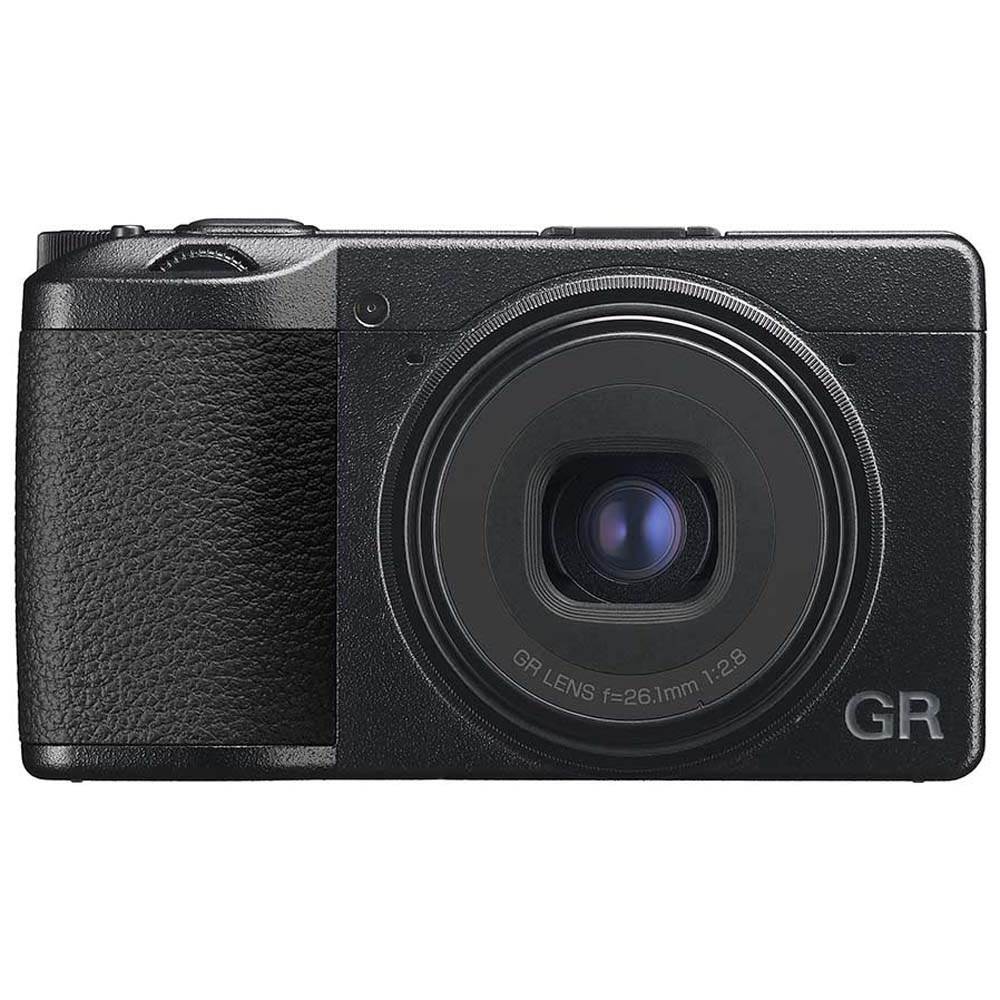
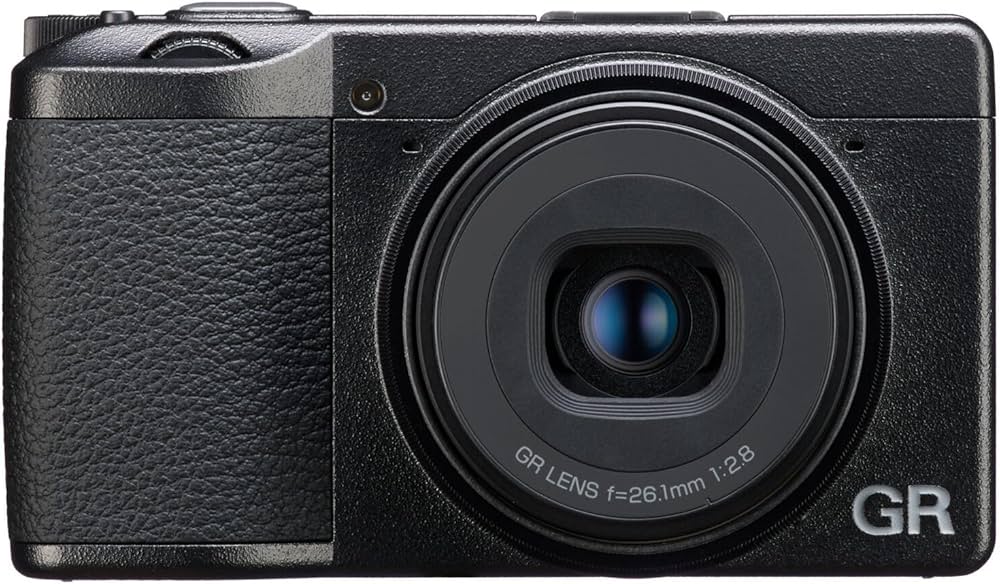
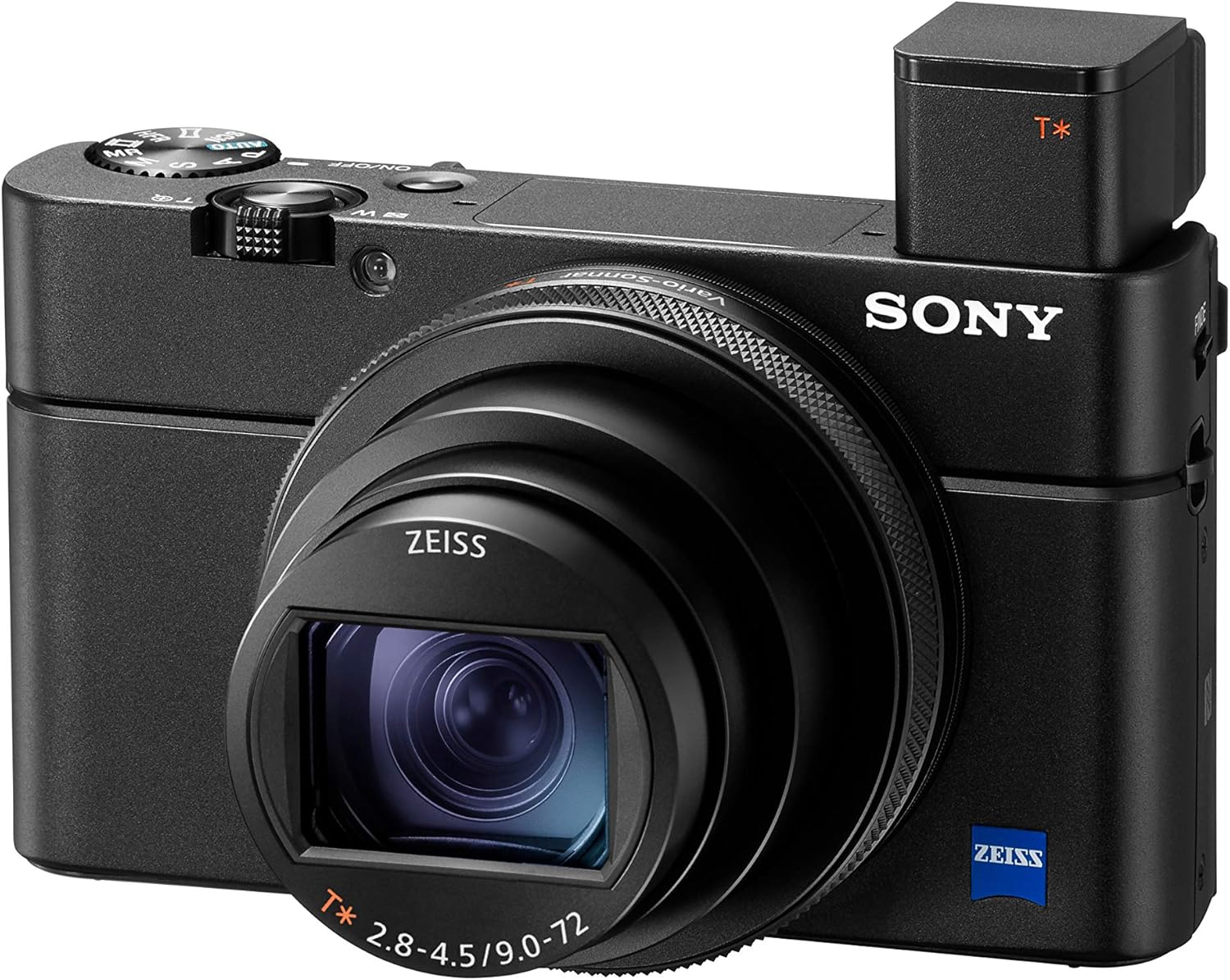
For compact cameras, sensor size is the biggest quality differentiator. Large-sensor compacts (1-inch or APS-C) like the Sony RX100 VII or Ricoh GR IIIx produce images close to a mirrorless camera in a much smaller body. Zoom range matters for travel cameras — a 24–200mm equivalent covers most situations. Fixed-lens compacts with fast primes (f/1.8–f/2.8) are ideal for street photography and low-light work. Consider whether you need a viewfinder, weather sealing, and how important 4K video is to your use case.
Frequently Asked Questions
Are compact cameras worth buying in 2026?
Yes — premium compacts offer a genuine quality advantage over smartphones, particularly in low light, at telephoto distances, and for manual control. A large-sensor compact like the Ricoh GR IIIx or Sony RX100 VII produces results no phone can match, while remaining genuinely pocketable.
What is the difference between a compact and a mirrorless camera?
Compact cameras have a fixed lens, making them smaller but less versatile than mirrorless systems. Mirrorless cameras accept interchangeable lenses, giving you far more creative control and the ability to upgrade your glass over time. Compacts are better for travel; mirrorless is better as a long-term photography system.
Which compact camera is best for travel?
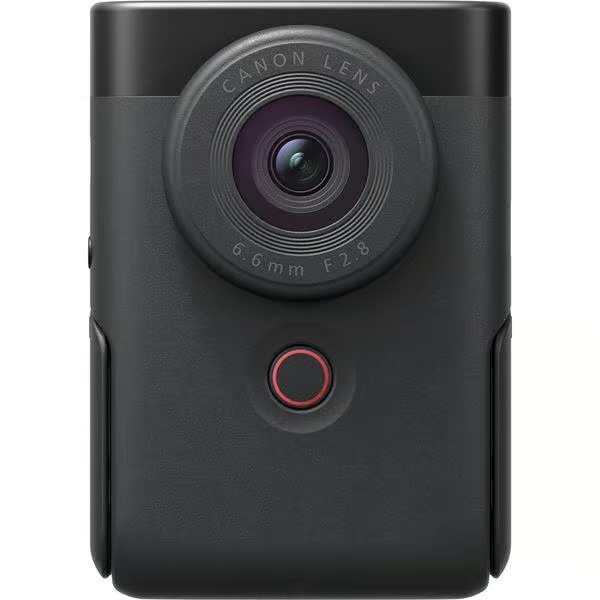
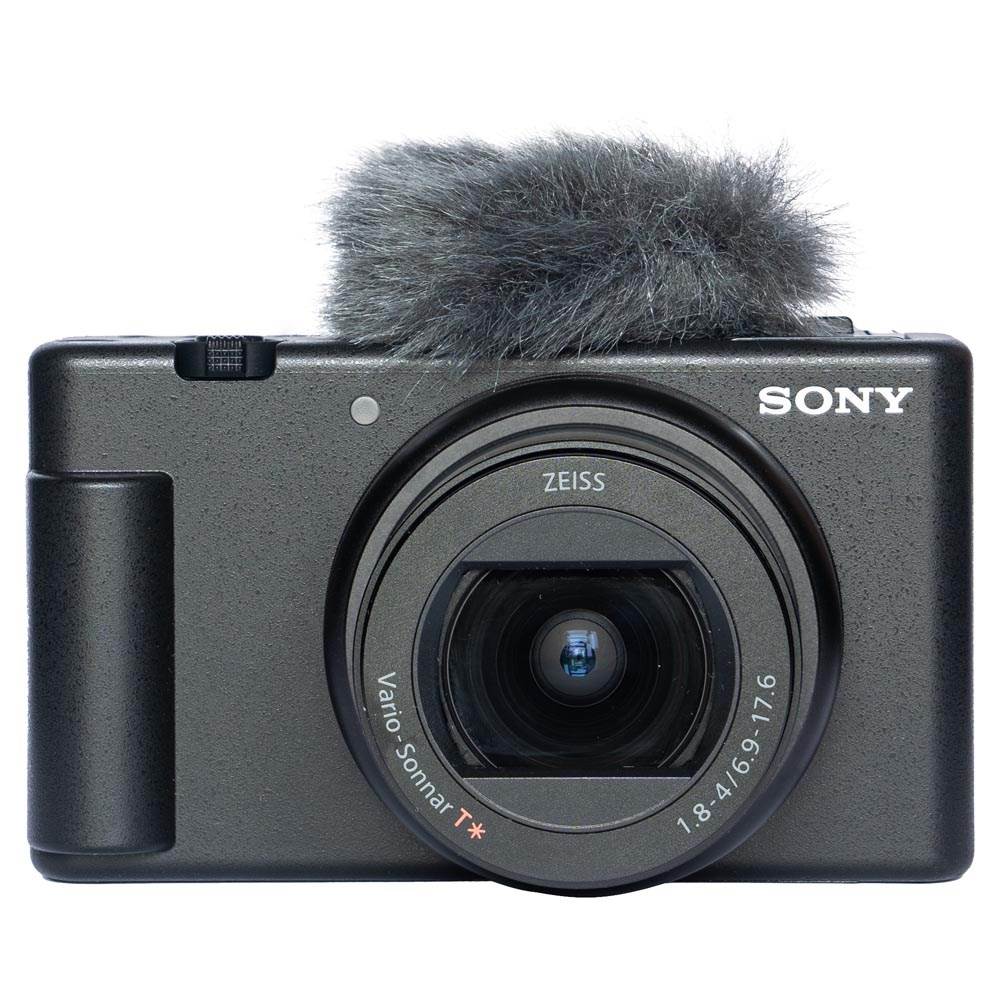
The Sony RX100 VII (1-inch sensor, 24–200mm zoom) and Canon PowerShot V10 are popular travel compact choices, balancing image quality, zoom range, and compact size. For a more premium experience, the Ricoh GR IIIx offers APS-C quality in a jacket-pocket body.