Best cameras under £500
Our top pick for the best camera under £500 in the UK, plus runners-up and a full breakdown of specs, scores, and use cases.
Our top pick
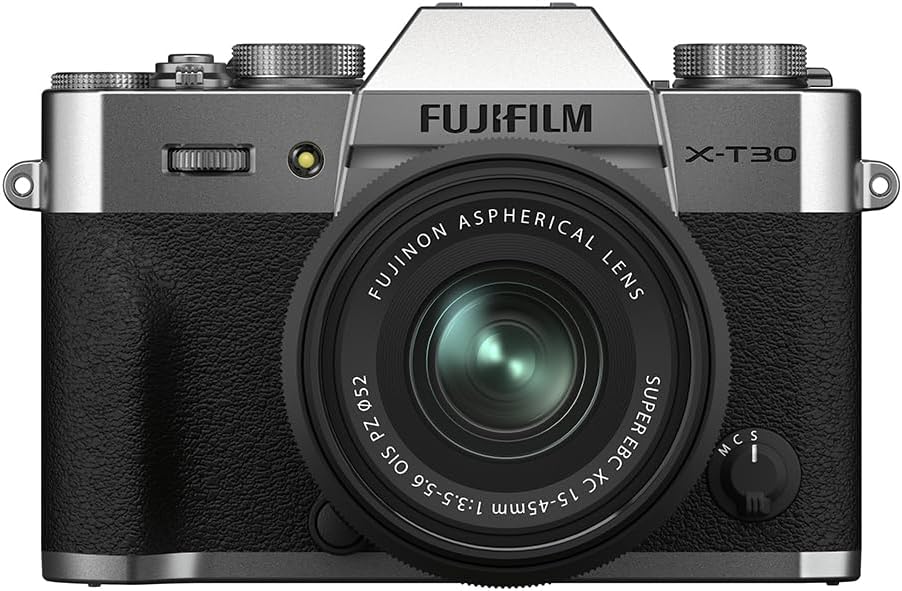
Fujifilm X-T30 II
APS-C Mirrorless · Body only
~£499
The X-T30 II squeezes Fujifilm's flagship sensor and film simulation technology into the most affordable X-series body. It's the rare camera that makes you want to go out and shoot.
At £499, the Fujifilm X-T30 II is one of the most compelling camera purchases you can make. It uses the same 26.1MP X-Trans CMOS IV sensor and X-Processor 4 found in the much pricier X-T4 — meaning image quality is genuinely flagship-level. Colours are rich and accurate straight from the camera, and Fujifilm's 19 film simulations mean many photographers never need to touch a RAW file.
Image quality
The X-Trans sensor's unique colour filter array produces exceptional detail and pleasing colour rendition, especially at ISO 800–3200. Dynamic range is strong, and the camera handles high-contrast scenes better than most in this price bracket.
Handling & feel
Dedicated dials for shutter speed, ISO, and exposure compensation make this feel like a proper photographic tool rather than a menu-driven computer. The EVF is small but usable, and the body is compact enough for daily carry without feeling cheap.
Autofocus
Phase-detect autofocus with subject tracking handles portraits, street, and everyday shooting well. It's not as fast as Sony's latest systems, but it's reliable — you won't miss moments you should have caught.
Lens ecosystem
Fujifilm's X-mount lens library is one of the best in APS-C. From affordable primes like the 35mm f/2 to weather-sealed zooms, there's a clear upgrade path — which matters when choosing a camera system for the long term.
| Sensor | 26.1MP APS-C X-Trans CMOS IV |
| Processor | X-Processor 4 |
| Autofocus | Phase-detect, 425 points, subject tracking |
| ISO range | 160 – 12,800 (extended to 51,200) |
| Shutter speed | 1/4000s mechanical, 1/32,000s electronic |
| Burst shooting | 8fps mechanical, 20fps electronic |
| Video | 4K/30p, 1080p/240p slow motion |
| Stabilisation | None (no IBIS) |
| Viewfinder | EVF, 2.36M dots, 0.62× magnification |
| Screen | 3.0" touchscreen, tilting |
| Storage | Single UHS-I SD card slot |
| Connectivity | USB-C, Bluetooth, Wi-Fi |
| Battery life | ~380 shots (CIPA) |
| Weight | 383g body only |
| Mount | Fujifilm X-mount |
Portrait photography
Excellent skin tones and subject separation. Film simulations add real character.
Great fitStreet photography
Compact and discreet. Physical dials let you set exposure without looking at a screen.
Great fitLandscape
Strong dynamic range and rich colours. A tripod helps for long exposures without IBIS.
Great fitVlogging & video
4K footage is solid but the screen doesn't fully flip out and there's no IBIS.
Good, not idealSports & action
20fps burst is capable but subject tracking lags behind Sony and Canon's latest.
Good, not idealAstrophotography
No IBIS limits handheld night work. Works well on a tripod though.
LimitedStrengths
- Flagship sensor at a mid-range price
- 19 film simulations — best-in-class JPEGs
- Tactile physical dials, genuinely enjoyable to use
- Compact and lightweight for daily carry
- Excellent lens ecosystem (X-mount)
- Strong RAW dynamic range for editing
Weaknesses
- No in-body image stabilisation (IBIS)
- Single SD card slot — no backup
- Screen doesn't fully flip out for vlogging
- Menus can overwhelm complete beginners
- Battery life moderate (~380 shots)
- 4K video has a minor crop
Runners up
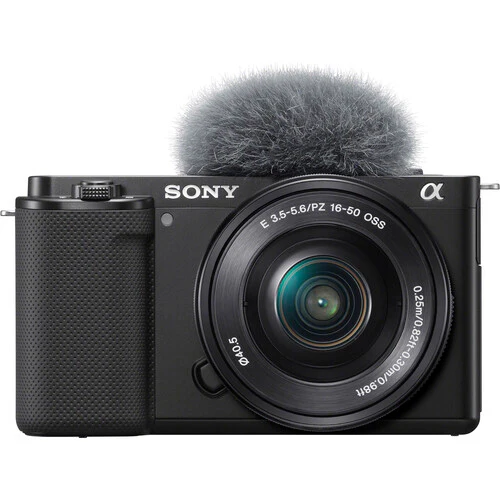
Sony ZV-E10
APS-C Mirrorless
~£399
The best choice if video and vlogging is your priority. Real-time Eye AF, fully articulating screen, and excellent 4K footage — all for less.
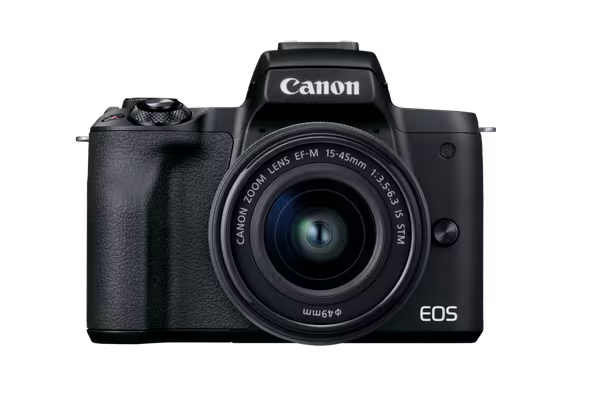
Canon EOS M50 II
APS-C Mirrorless
~£449
Beginner-friendly with Dual Pixel AF, a vari-angle touchscreen, and excellent Canon colour science. The gentlest on-ramp to mirrorless photography.
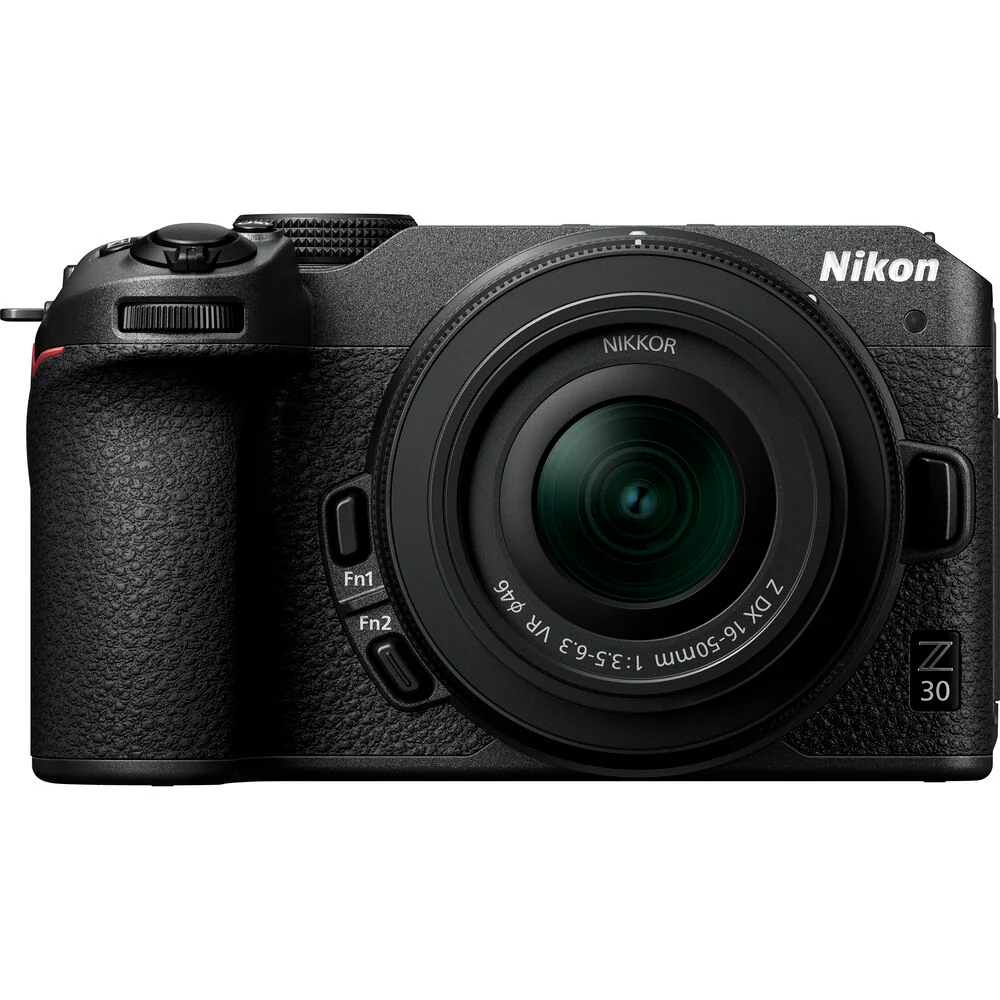
Nikon Z30
APS-C Mirrorless
~£479
Nikon's lightest Z-mount body. No viewfinder but superb subject tracking and a flip screen make it a solid travel and video option.
The verdict
For most photographers the Fujifilm X-T30 II is the clear winner — its image quality, film simulations, and physical controls make it a joy to use every day. If video is your priority, the Sony ZV-E10 edges ahead. Beginners wanting the most approachable experience should look at the Canon EOS M50 II.
Also worth considering
Olympus OM-D E-M10 IV
Micro Four Thirds · IBIS included
~£469
Ricoh GR IIIx
APS-C compact · Street favourite
~£499