Popular Comparisons
How to Choose the Right Camera Lenses
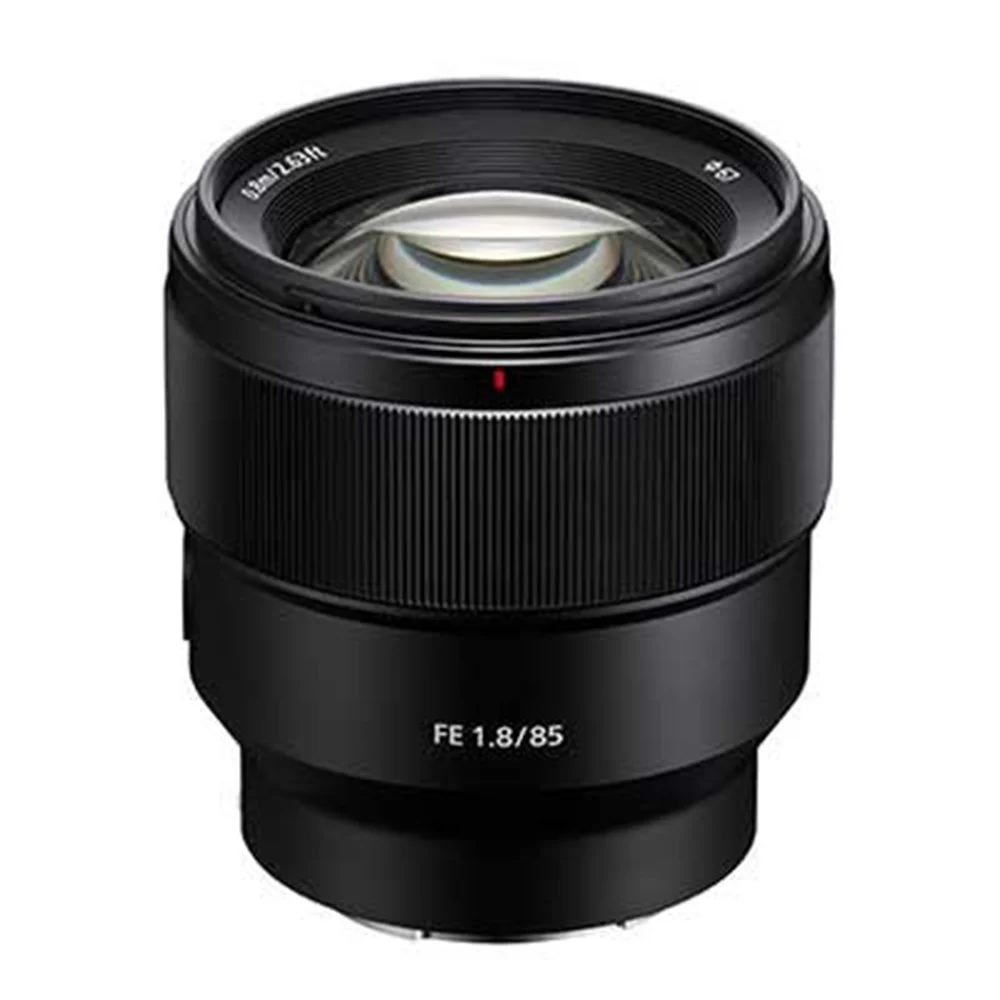
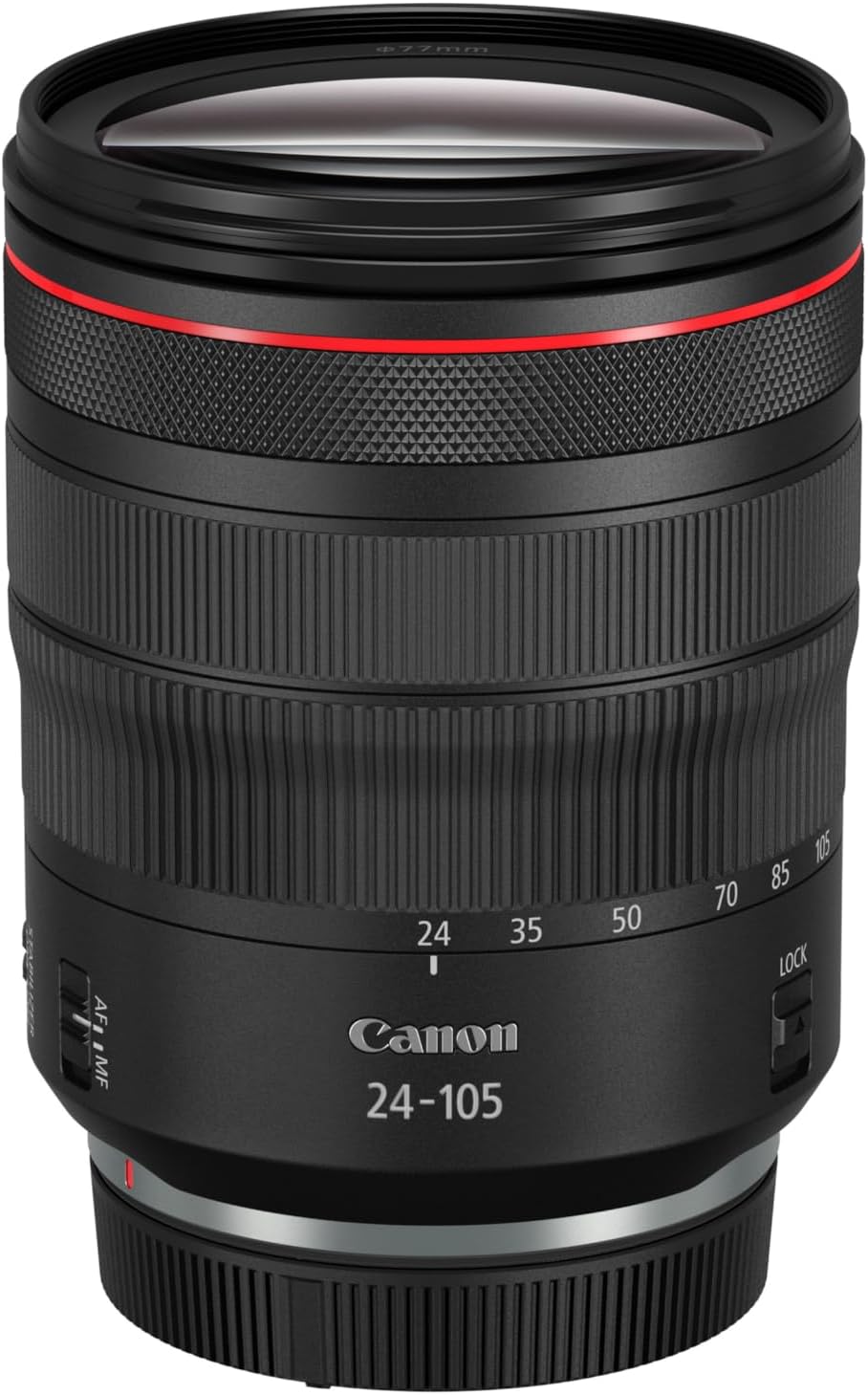
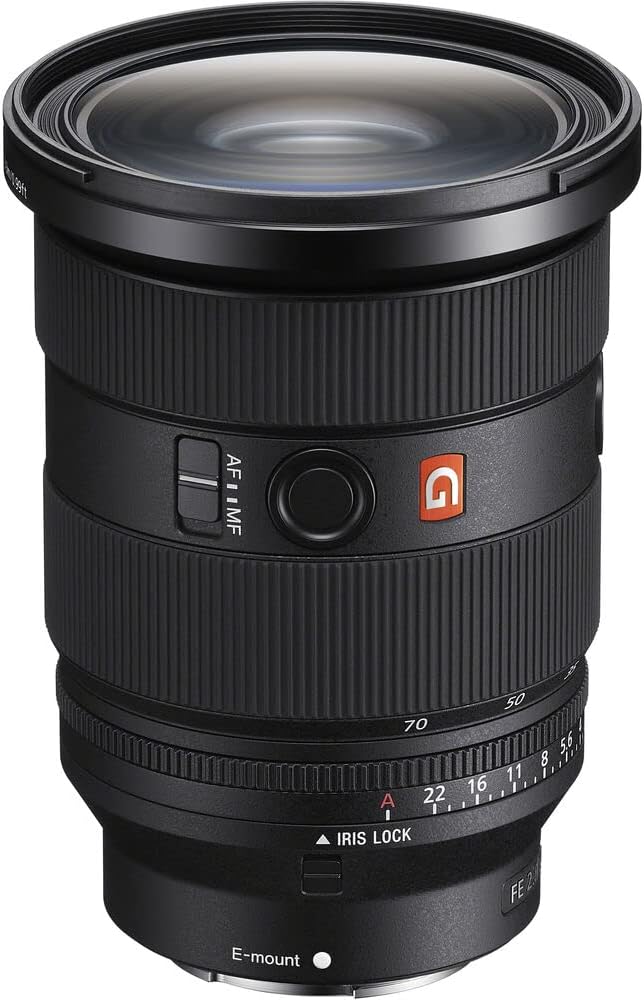
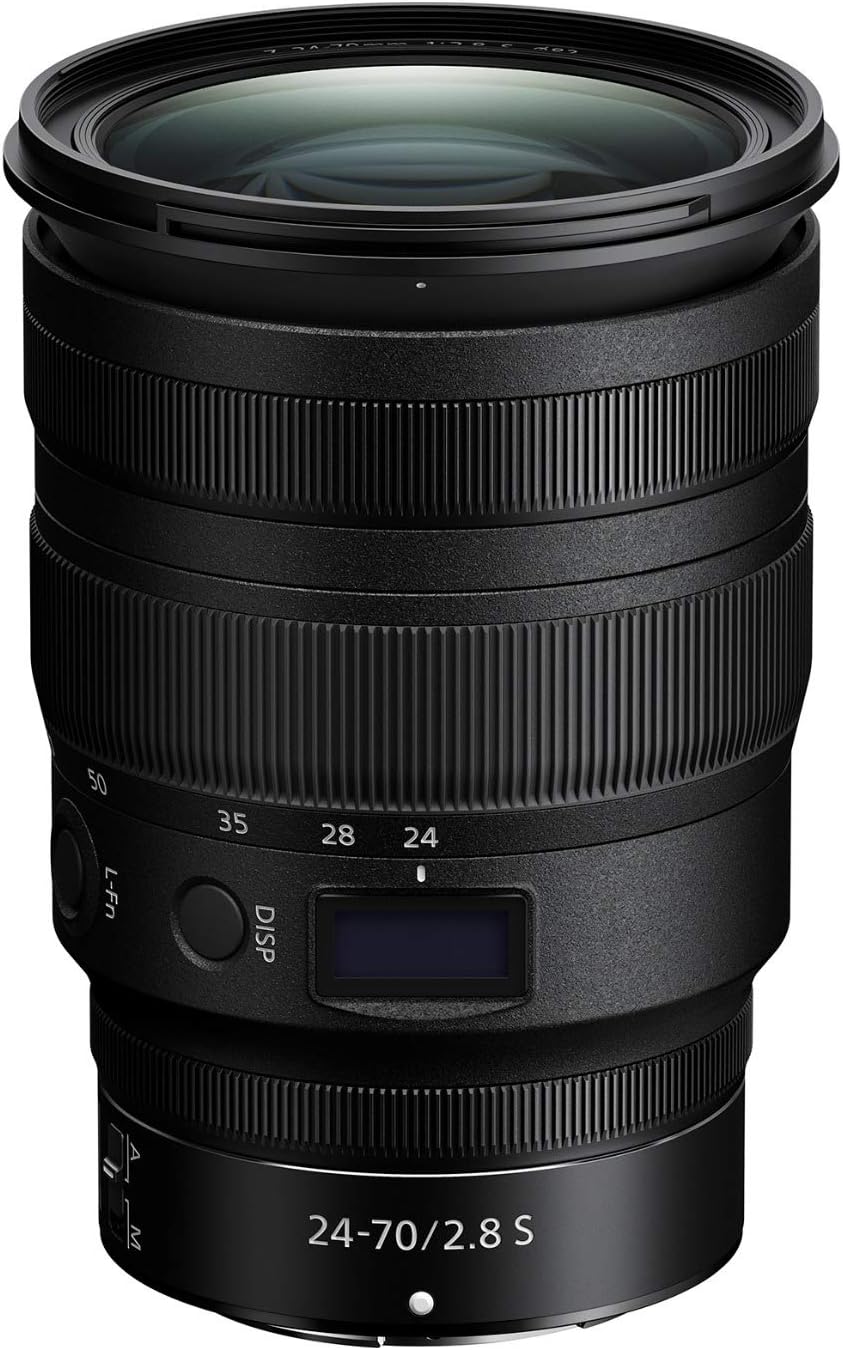
The most important factors when choosing a lens are focal length, maximum aperture, and mount compatibility. Focal length determines your field of view — 24–35mm suits landscapes and street photography, 50–85mm is ideal for portraits, and 70–200mm covers sport and wildlife. A wider maximum aperture (f/1.4–f/2.8) lets in more light for low-light shooting and creates natural subject separation. Optical image stabilisation helps when shooting handheld. Always check your camera's lens mount before buying — native lenses outperform adapted ones in autofocus speed and reliability.
Frequently Asked Questions
What lens should I buy first?
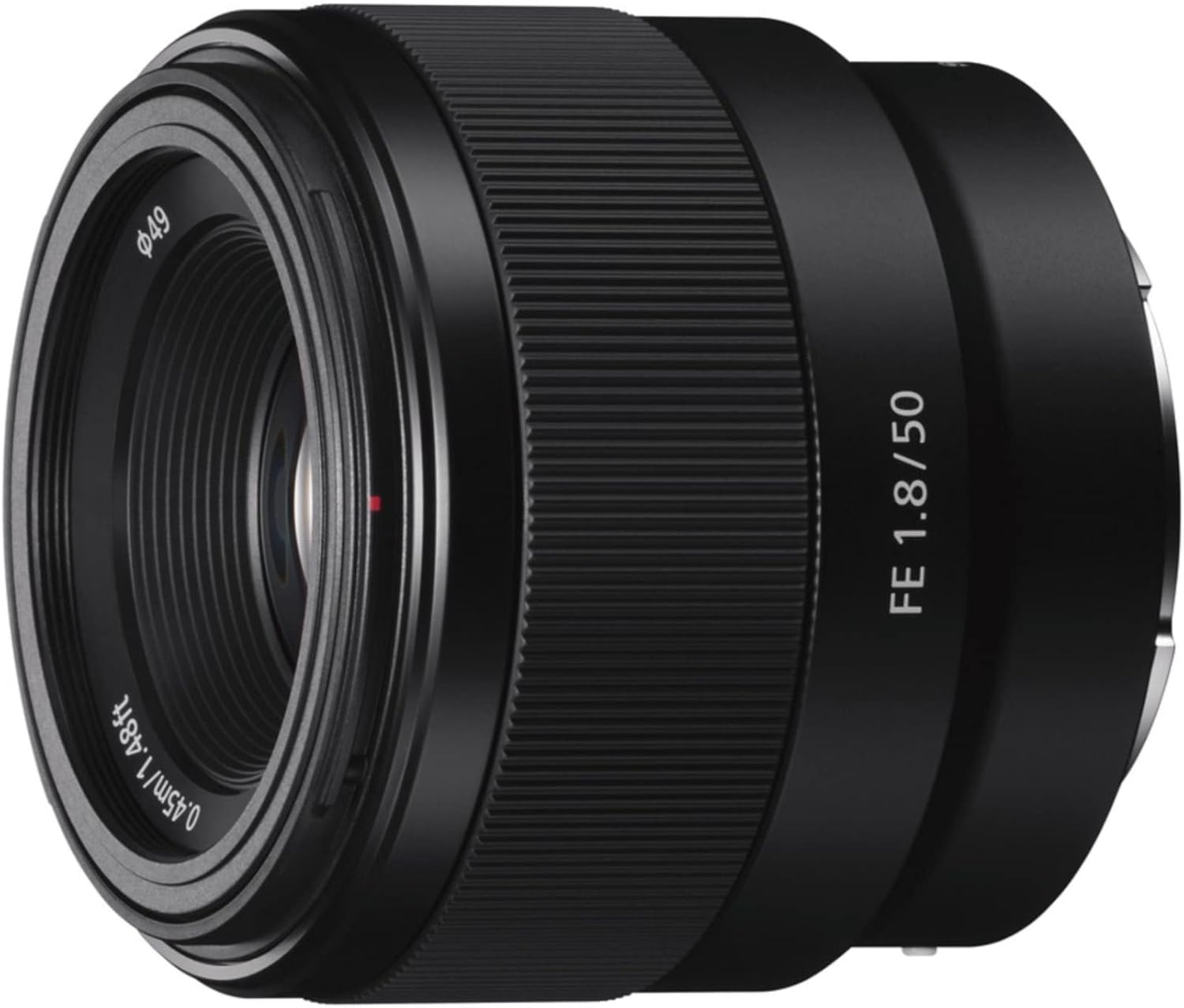
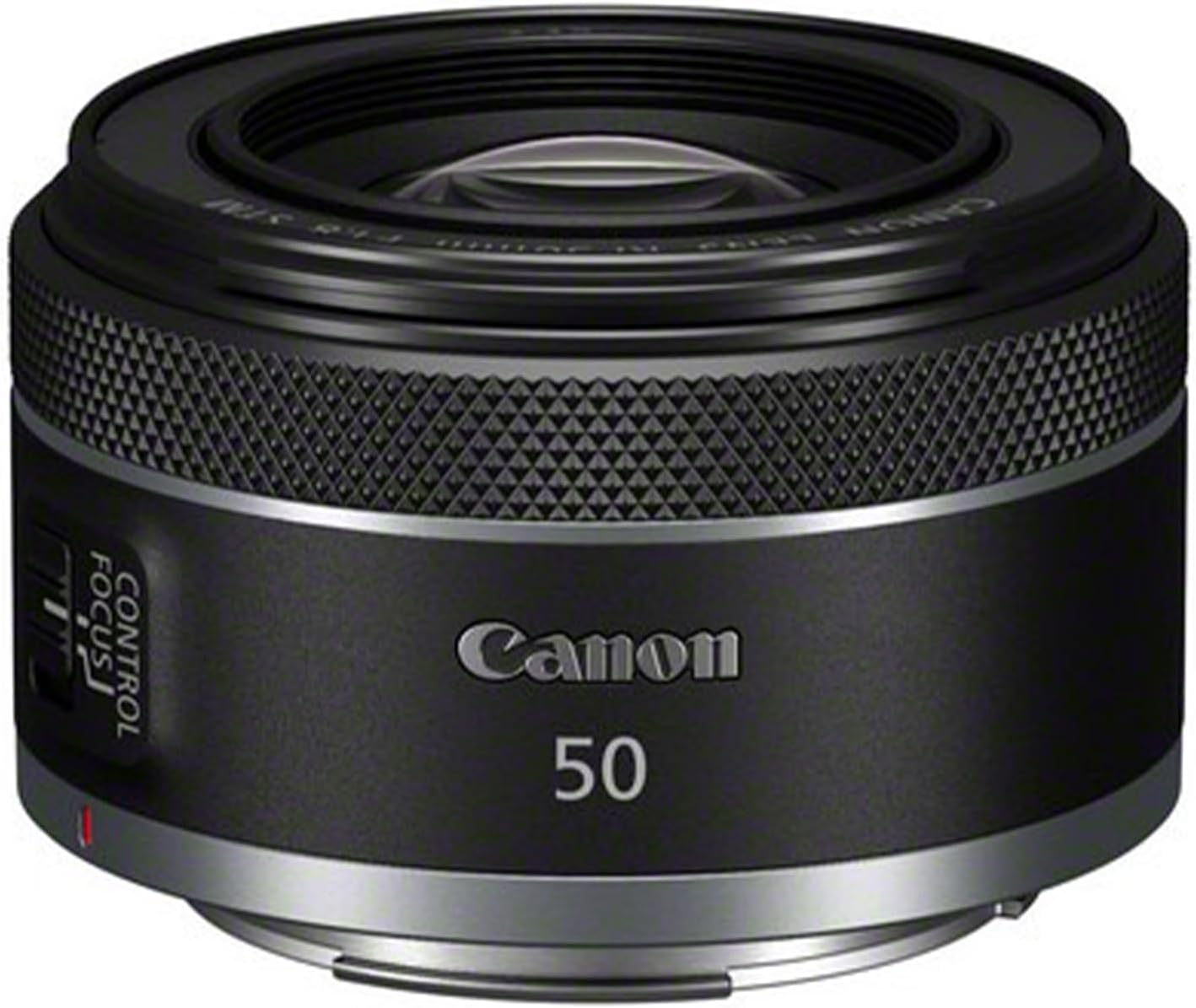
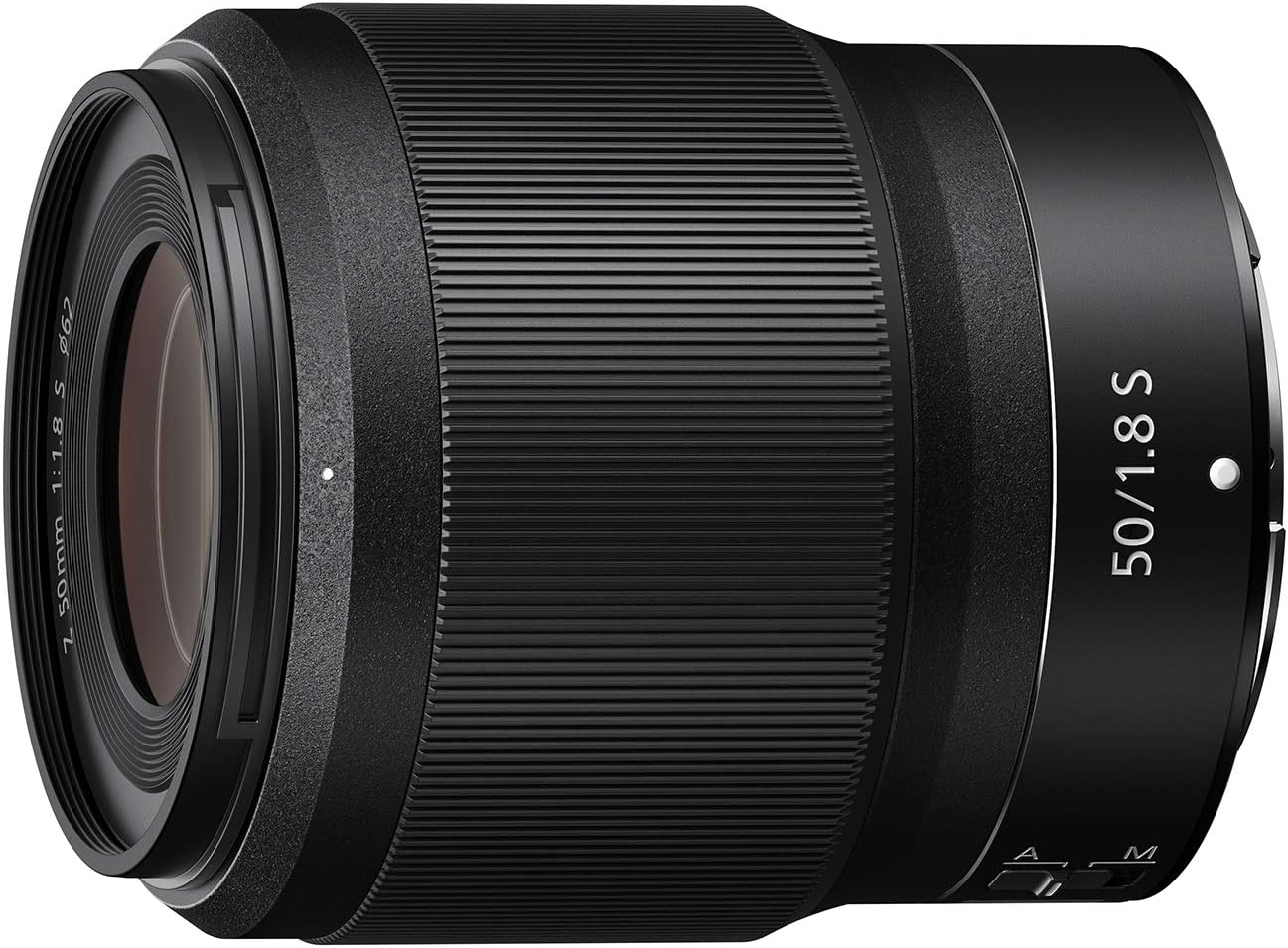
Most photographers' first dedicated lens is a 50mm prime (or 35mm on APS-C for a similar angle of view). These are compact, affordable, and fast — typically f/1.8 — making them excellent for portraits, street photography, and low-light shooting.
What is the difference between prime and zoom lenses?
Prime lenses have a fixed focal length and typically offer wider apertures and sharper optics for the price. Zoom lenses cover a range of focal lengths, making them more versatile for travel and events. Most photographers own a versatile zoom for everyday use and a fast prime for low light.
Do I need an expensive lens?
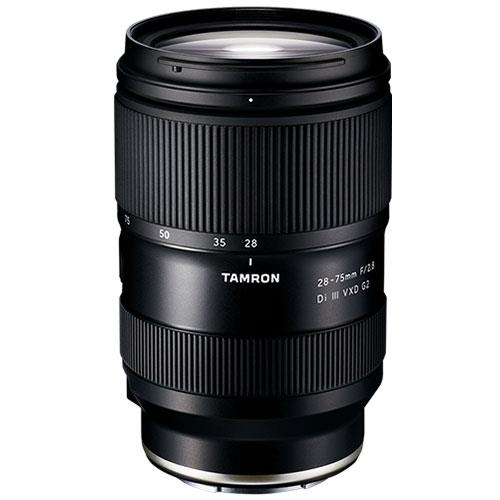
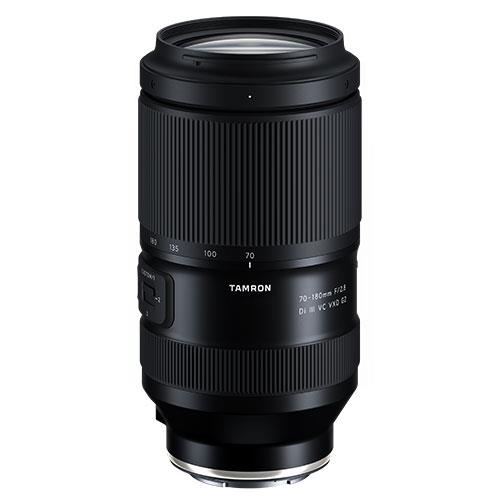
Not necessarily. Third-party manufacturers like Tamron and Sigma produce excellent lenses at a fraction of the price of branded glass. A Tamron 28–75mm f/2.8 or Sigma 56mm f/1.4, for example, matches the performance of the OEM equivalent at significantly lower cost.