Popular Comparisons
How to Choose the Right Prime Lenses
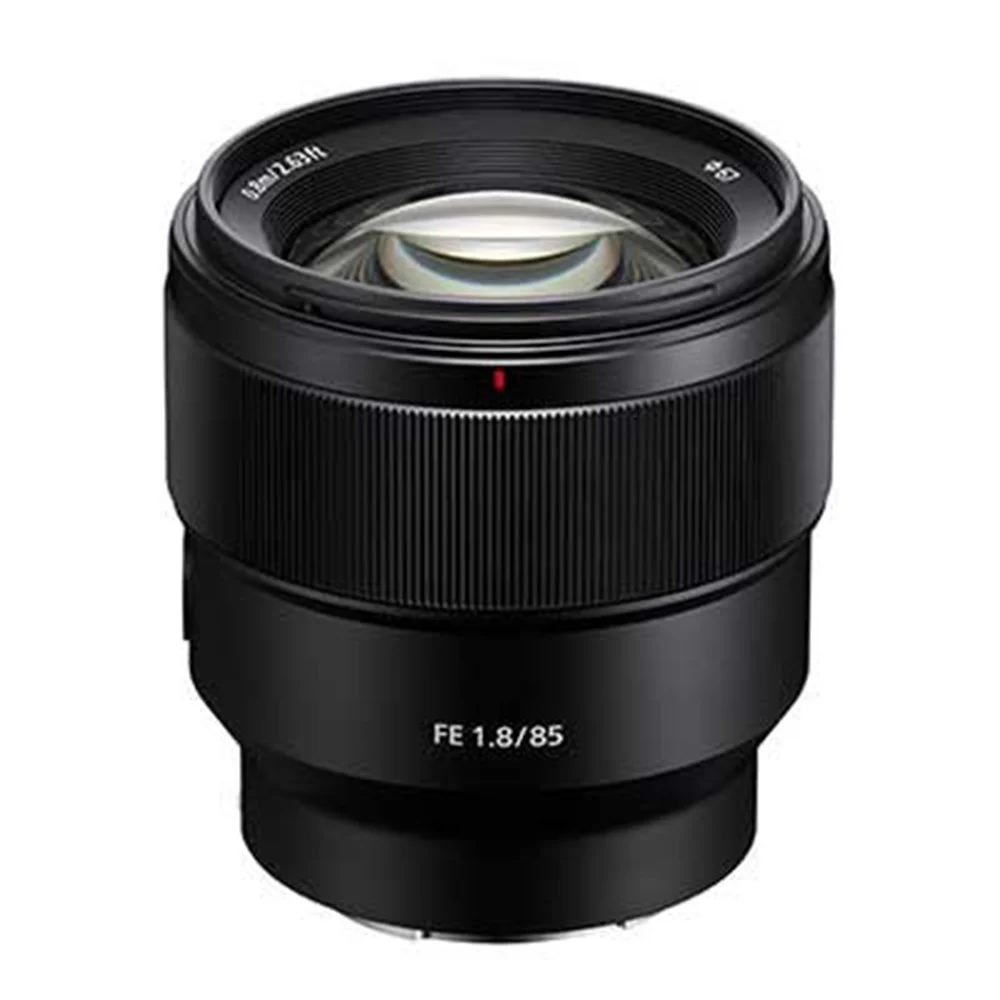
The two most important decisions when choosing a prime lens are focal length and maximum aperture. For portraits, 85mm (or 56mm on APS-C) gives flattering compression and subject separation. For street and documentary work, 35mm or 28mm is more natural and discreet. For low-light shooting, prioritise aperture — an f/1.4 or f/1.8 lens lets in significantly more light than f/2.8. Always check mount compatibility and consider whether autofocus speed matters for your shooting style.
Frequently Asked Questions
Why buy a prime lens instead of a zoom?
Prime lenses typically offer wider maximum apertures (f/1.4–f/1.8 vs f/2.8–f/4 on zooms), better low-light performance, shallower depth of field, and sharper images at equivalent price points. They also tend to be smaller and lighter. The trade-off is that you'll need to move your feet rather than zoom.
What is the best first prime lens?
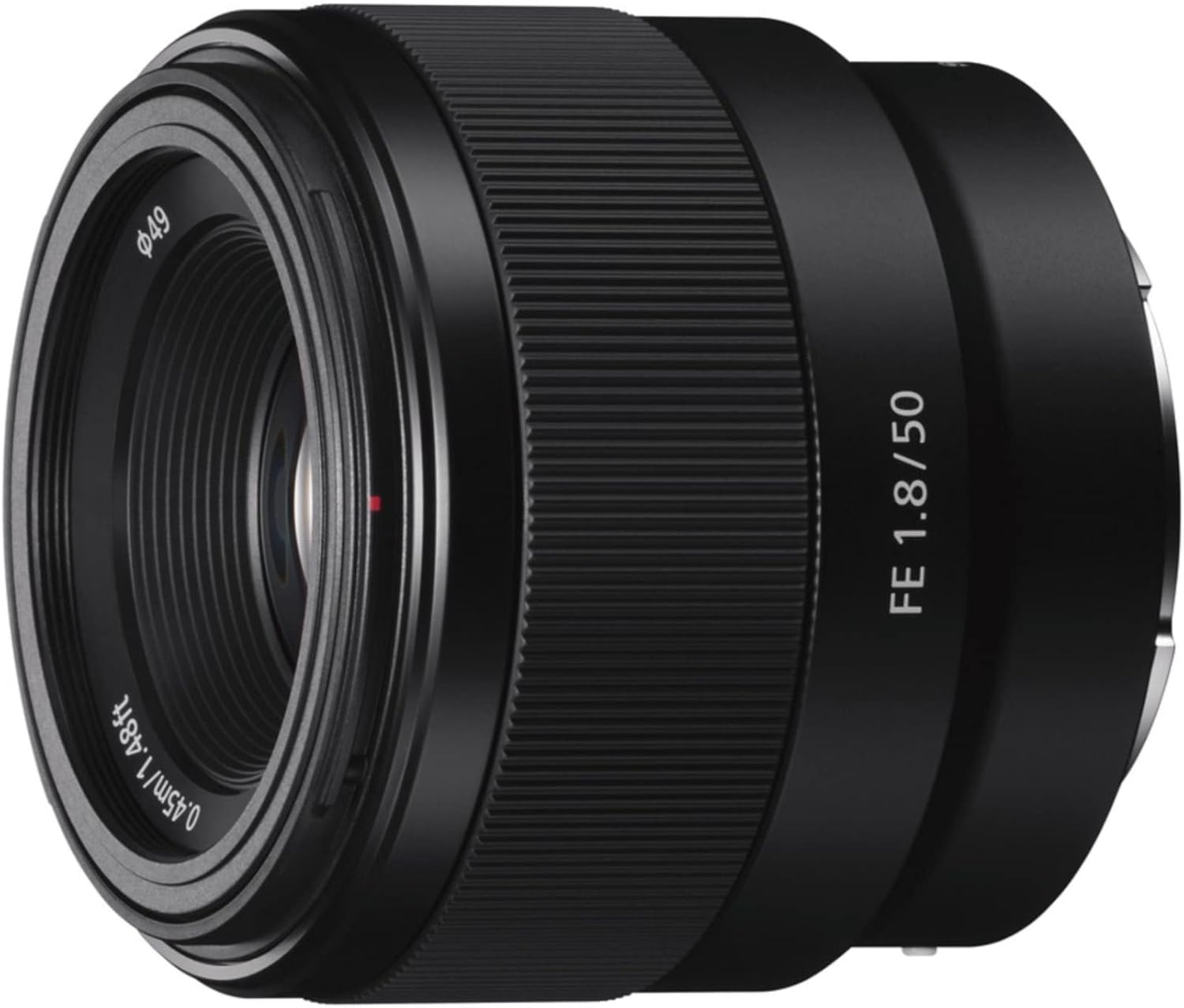
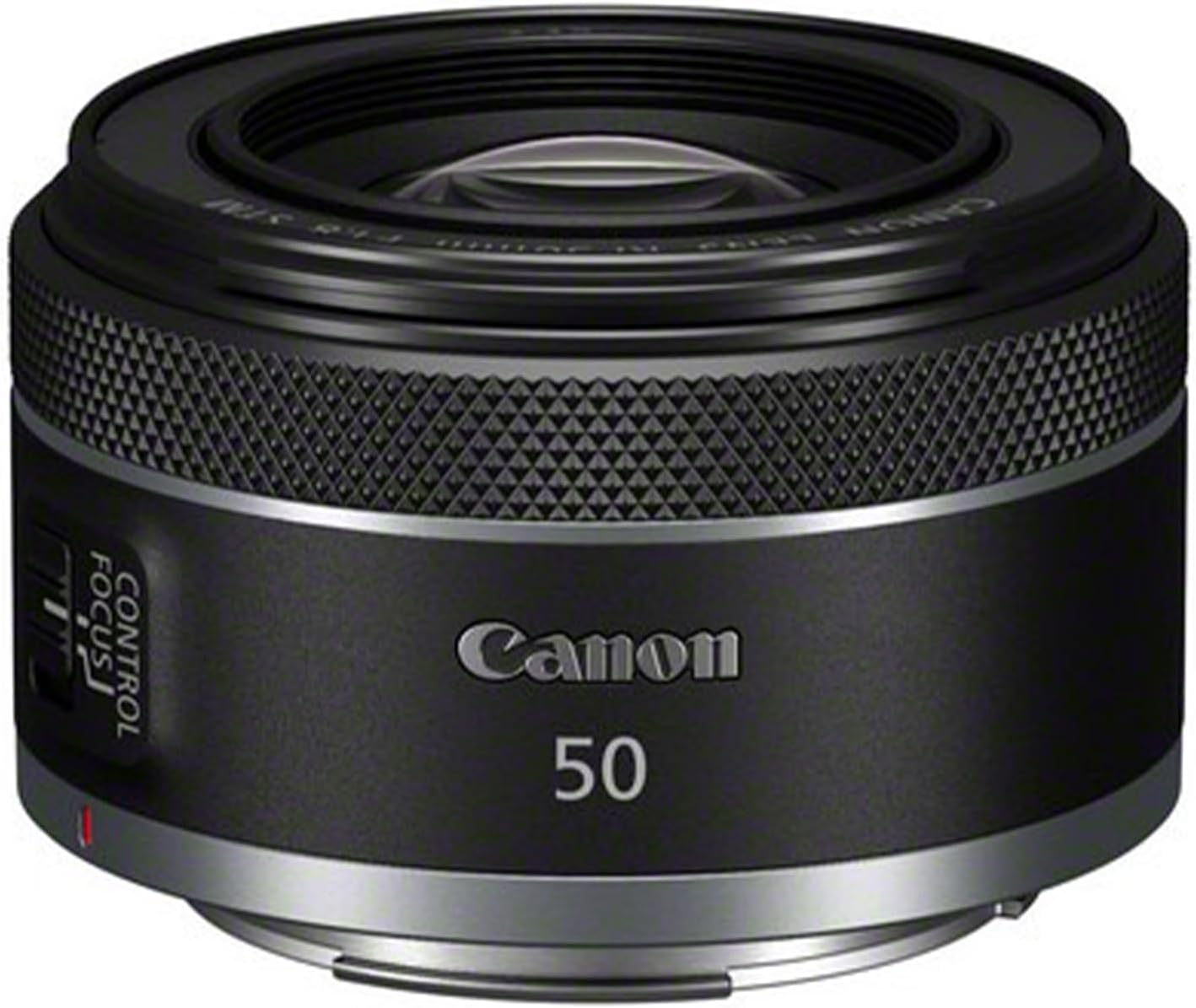
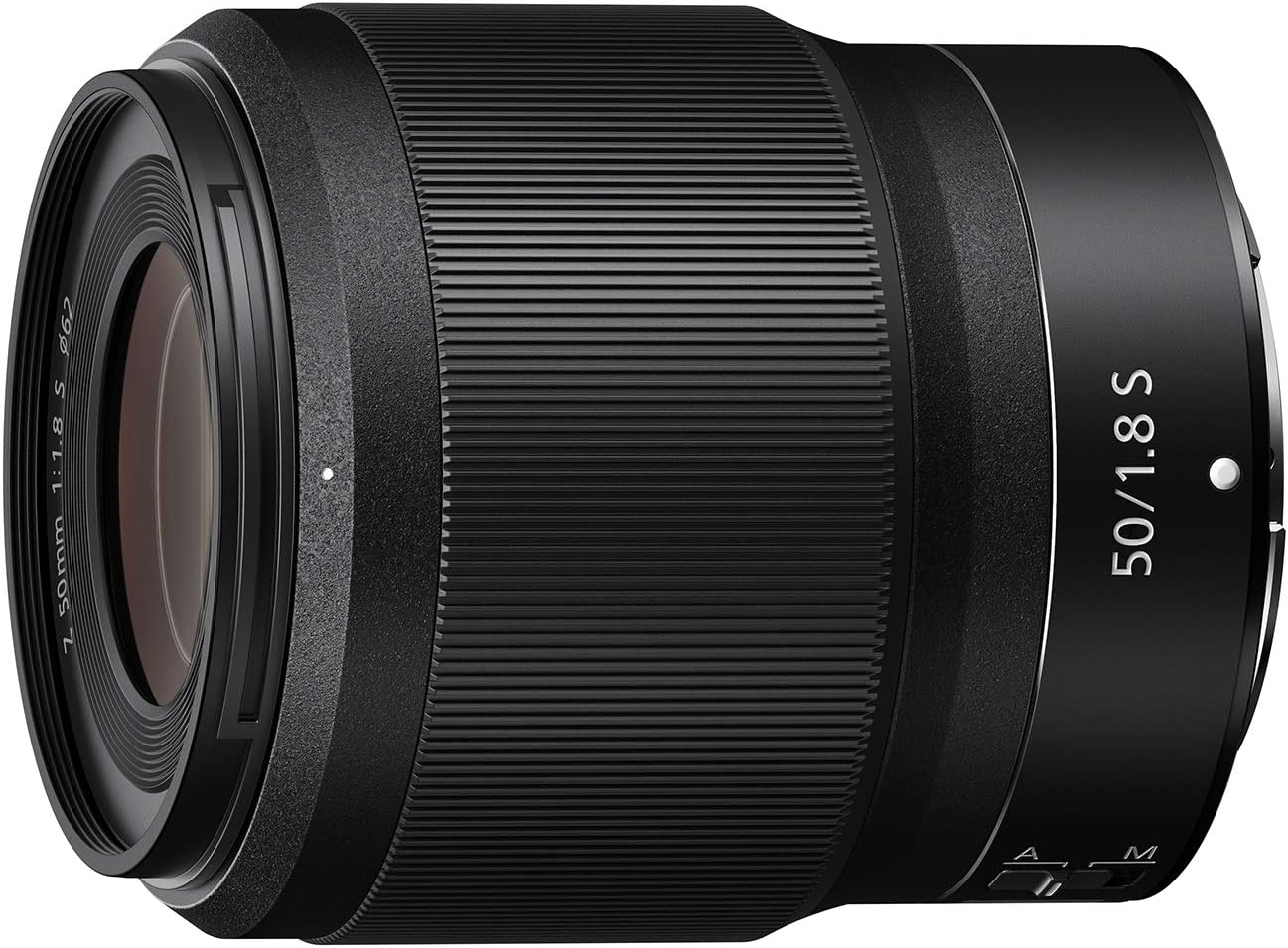
A 50mm f/1.8 (or 35mm f/1.8 on APS-C) is the classic first prime — affordable, sharp, fast, and versatile enough for portraits, street, and everyday photography. Most camera brands offer an excellent version at an accessible price point.
Are prime lenses sharper than zoom lenses?
Generally yes at equivalent price points, though modern high-end zoom lenses from Tamron, Sigma, and first-party manufacturers close the gap considerably. The sharpness advantage of a prime is most visible at wide apertures and in the corners of the frame.