GFX 100vs Z7 II
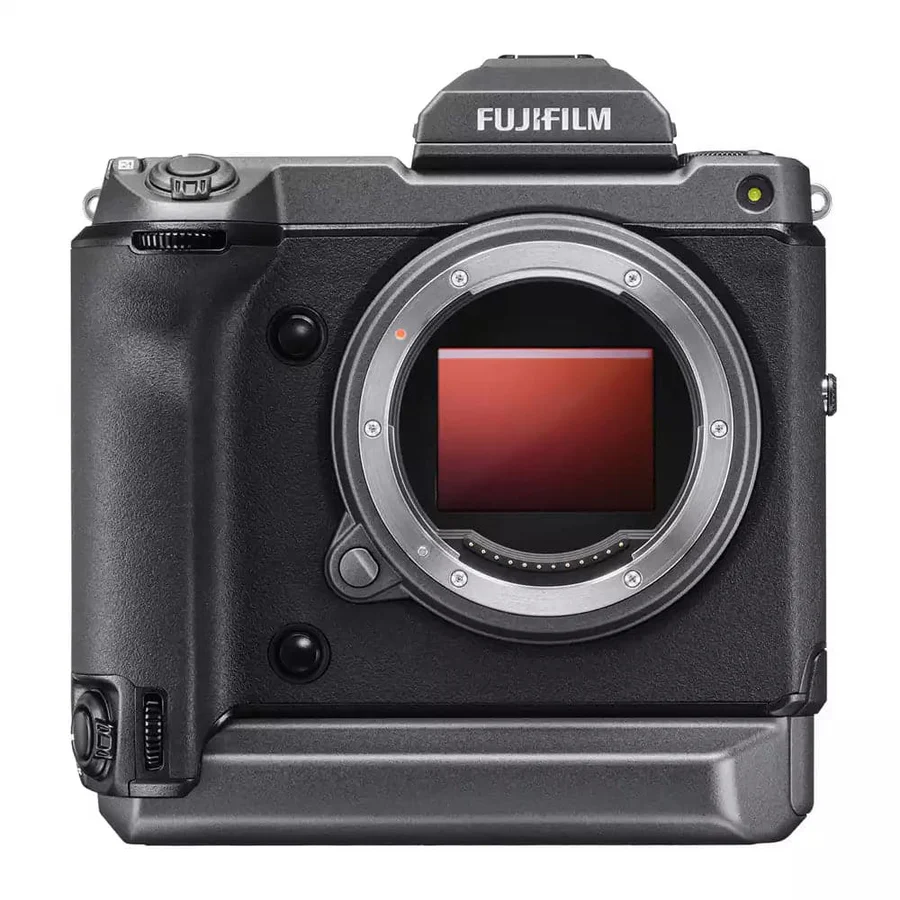 Fujifilm
GFX 100 (2019)
Starting from £4999 new
Best for Commercial, studio & landscape photography
View GFX 100
Fujifilm
GFX 100 (2019)
Starting from £4999 new
Best for Commercial, studio & landscape photography
View GFX 100
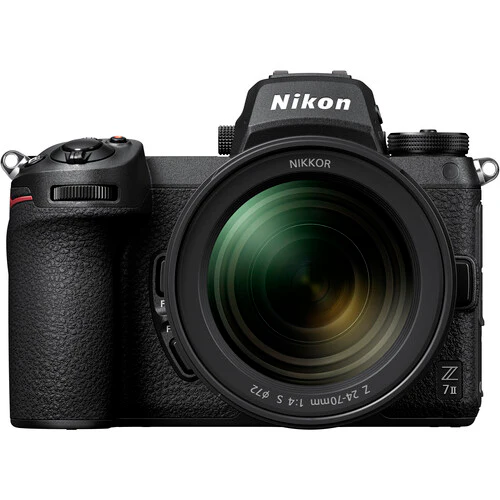
GearScore™ Verdict — Which should you buy?
Commercial, Studio & Landscape Photography — GFX 100 (2019): The world's first 100MP mirrorless with IBIS and phase-detect AF — the GFX 100 was a landmark in medium format, but its size and weight are professional-grade.
Landscape & Studio / High-Resolution — Z7 II (2020): The Z7 II is a landscape and studio camera first, everything else second. 45.7MP with weather sealing and dual card slots is a compelling package. If you need resolution, it delivers. If you don't, the Z6 II is the smarter buy.
Who should buy what
GFX 100 (2019)
- Commercial and advertising photographers who need extraordinary resolution
- Landscape photographers willing to carry a large body for maximum detail
- GFX system users who want the original 100MP body at a lower cost than GFX 100S
- Studio photographers who want the finest image quality the GFX system can offer
Z7 II (2020)
- Landscape photographers who print large or need to crop significantly
- Studio and commercial photographers requiring maximum resolution
- Architecture photographers where detail is non-negotiable
- Fine-art photographers who shoot primarily from a tripod
Quick take: The gfx 100 has the highest resolution at 102mp; the z7 ii is the most affordable. Scroll down for the full spec breakdown.
Full specifications
| Specification | GFX 100 (2019) | Z7 II (2020) |
|---|---|---|
| Price | £4,999 | £2,699 |
| Sensor | 102MP Medium Format BSI CMOS (43.8 × 32.9mm) | 45.7MP Full-Frame BSI CMOS |
| Resolution | 102.0MP | 45.7MP |
| Video | 4K/30p, FHD/120p; F-Log support | 4K/60p, 4K/30p (oversampled), 1080p/120p slow-motion |
| Autofocus | Phase-detect hybrid AF (first GFX with phase-detect), face/eye detection | Phase-detect, 493 points, Eye AF, subject tracking |
| Stabilisation | IBIS — up to 5.5 stops | 5-axis IBIS, 5 stops (up to 6 stops with VR lenses) |
| Burst Rate | 5fps | 10fps mechanical, 10fps electronic |
| Battery Life | ~800 shots (CIPA, dual NP-T125 batteries in integrated grip) | ~420 shots (CIPA) |
| Weight | 1,400g (with battery and card) | 705g (body, battery, card) |
| Dimensions | 156.2 × 163.6 × 102.9mm | 134.0 × 100.5 × 69.5mm |
| Weather Sealed | Yes | Yes |
| Viewfinder | EVF, 5.76M dots, 0.77× magnification | EVF, 3.69M dots, 0.80× magnification |
| Screen | 3.2" fully articulating touchscreen | 3.2" tilting touchscreen, 2.1M dots |
| Mount | Fujifilm GFX (G-mount) | Nikon Z-mount |
| Memory Cards | Dual SD UHS-II slots | Dual card: 1× CFexpress Type B / XQD + 1× SD UHS-II |
| Connectivity | USB-C, Wi-Fi, Bluetooth, 3.5mm mic, headphone jack, HDMI | USB-C (USB 3.2 Gen 2), Wi-Fi, Bluetooth |
Suitability by genre
| Genre | GFX 100 | Z7 II |
|---|---|---|
| Portrait | ||
| Landscape | — | |
| Architecture | — | |
| Travel | ||
| Sports & Action | — | |
| Vlogging & Video | — | |
| Street | — | |
| Wildlife | — | |
| Video | — |
GearScore™ suitability scores are based on aggregated purchaser reviews weighted by photography genre. See how scores are calculated →
More comparisons with GFX 100
Camera family history