GFX 50Svs Q
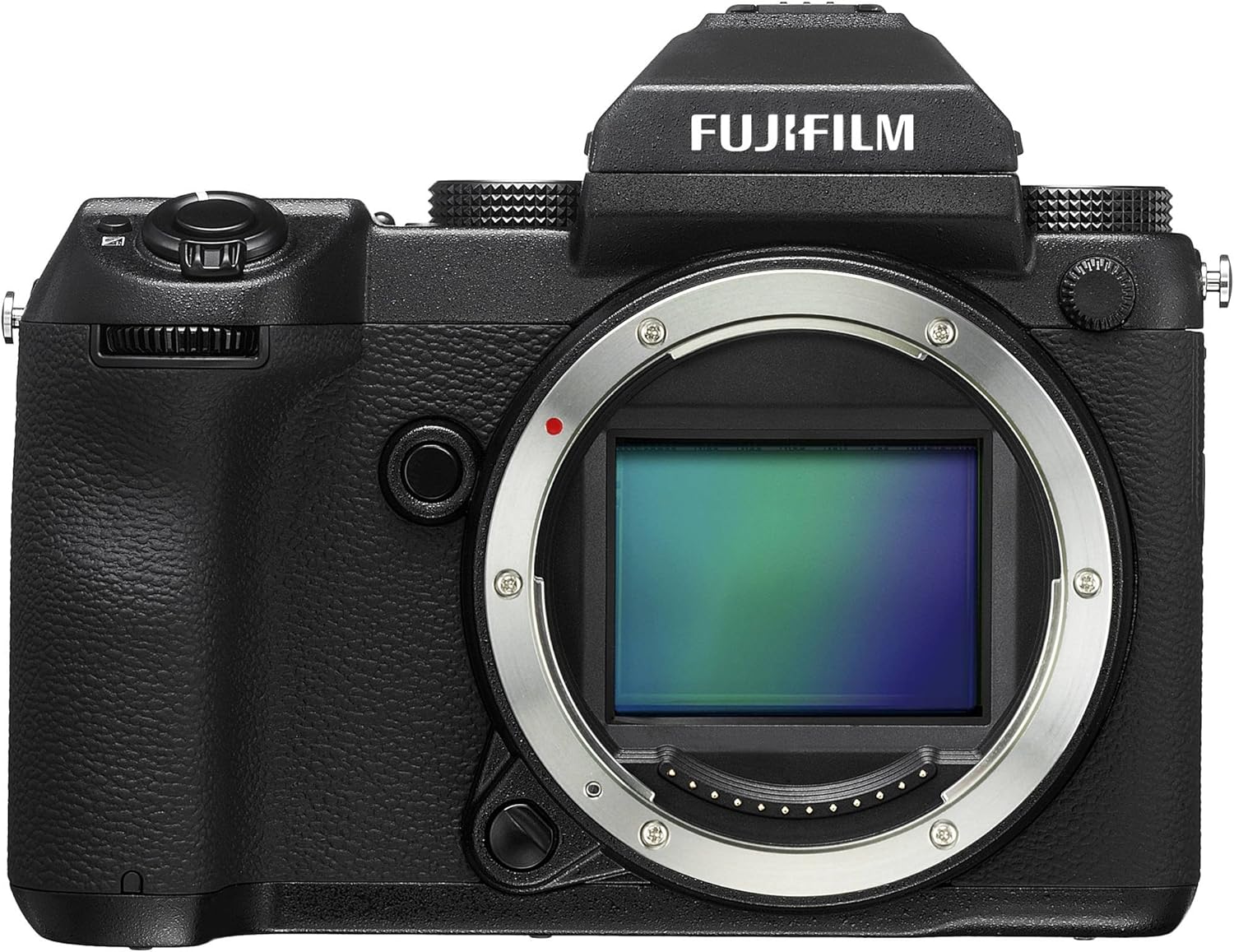 Fujifilm
GFX 50S (2017)
Starting from £1499 new
Best for Studio, portrait & landscape photography
View GFX 50S
Fujifilm
GFX 50S (2017)
Starting from £1499 new
Best for Studio, portrait & landscape photography
View GFX 50S
GearScore™ Verdict — Which should you buy?
Studio, Portrait & Landscape Photography — GFX 50S (2017): The camera that launched Fujifilm's medium-format revolution — 51MP at a price that made serious large-format imaging possible for the first time.
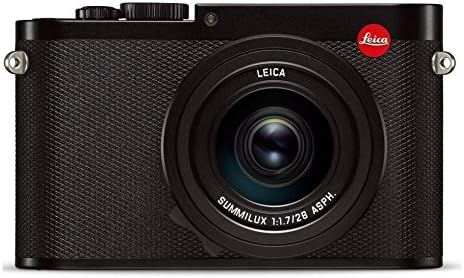
Street, Travel & Fine Art Photography — Q (2015): The camera that redefined luxury compact photography — a full-frame sensor, the finest 28mm compact lens available, and a shooting feel that is uniquely Leica.
Who should buy what
GFX 50S (2017)
- Photographers who want to enter the GFX system at the lowest possible price
- Studio and portrait photographers who want medium-format tonal quality on a budget
- Landscape photographers who work from a tripod and don't need IBIS
- GFX system historians who want the camera that started it all
Q (2015)
- Street and documentary photographers who want a full-frame fixed-lens camera with iconic character
- Travel photographers who want the finest compact image quality available
- Leica enthusiasts who want an autofocus alternative to the M system
- Photographers who value build quality and shooting experience as much as spec sheets
Quick take: The gfx 50s has the highest resolution at 51mp; the gfx 50s is the most affordable; only the gfx 50s is weather sealed. Scroll down for the full spec breakdown.
Full specifications
| Specification | GFX 50S (2017) | Q (2015) |
|---|---|---|
| Price | £1,499 | £1,999 |
| Sensor | 51.4MP Medium Format BSI CMOS (43.8 × 32.9mm) | 24.2MP Full-Frame CMOS |
| Resolution | 51.4MP | 24.2MP |
| Video | 1080p/30p | 1080p/60p |
| Autofocus | Contrast-detect AF, face detection | Contrast-detect AF, 49 AF fields, face detection |
| Stabilisation | None | None |
| Burst Rate | 3fps | 10fps |
| Battery Life | ~400 shots (CIPA) | ~270 shots (CIPA) |
| Weight | 825g (with battery and card) | 640g (with battery and card) |
| Dimensions | 147.5 × 94.2 × 91.4mm | 130.0 × 80.0 × 93.5mm |
| Weather Sealed | Yes | No |
| Viewfinder | Detachable EVF, 3.69M dots, 0.85× magnification | EVF, 3.68M dots, 0.68× magnification |
| Screen | 3.2" tilting touchscreen + rear sub-LCD | 3.0" fixed touchscreen, 1.04M dots |
| Mount | Fujifilm GFX (G-mount) | Fixed Leica Summilux 28mm f/1.7 ASPH |
| Memory Cards | Dual SD UHS-II slots | Single SD UHS-I slot |
| Connectivity | USB-C, Wi-Fi, Bluetooth | Wi-Fi |
Suitability by genre
| Genre | GFX 50S | Q |
|---|---|---|
| Portrait | ||
| Landscape | ||
| Architecture | — | |
| Travel | ||
| Sports & Action | — | |
| Vlogging & Video | ||
| Street | — | |
| Wildlife | — |
GearScore™ suitability scores are based on aggregated purchaser reviews weighted by photography genre. See how scores are calculated →
More comparisons with GFX 50S
Camera family history