Best cameras for wedding photography
The best cameras for wedding photography in 2026 — reliable full-frame bodies with dual card slots, exceptional low-light performance, and autofocus that performs under real ceremony pressure.
Our top recommendation
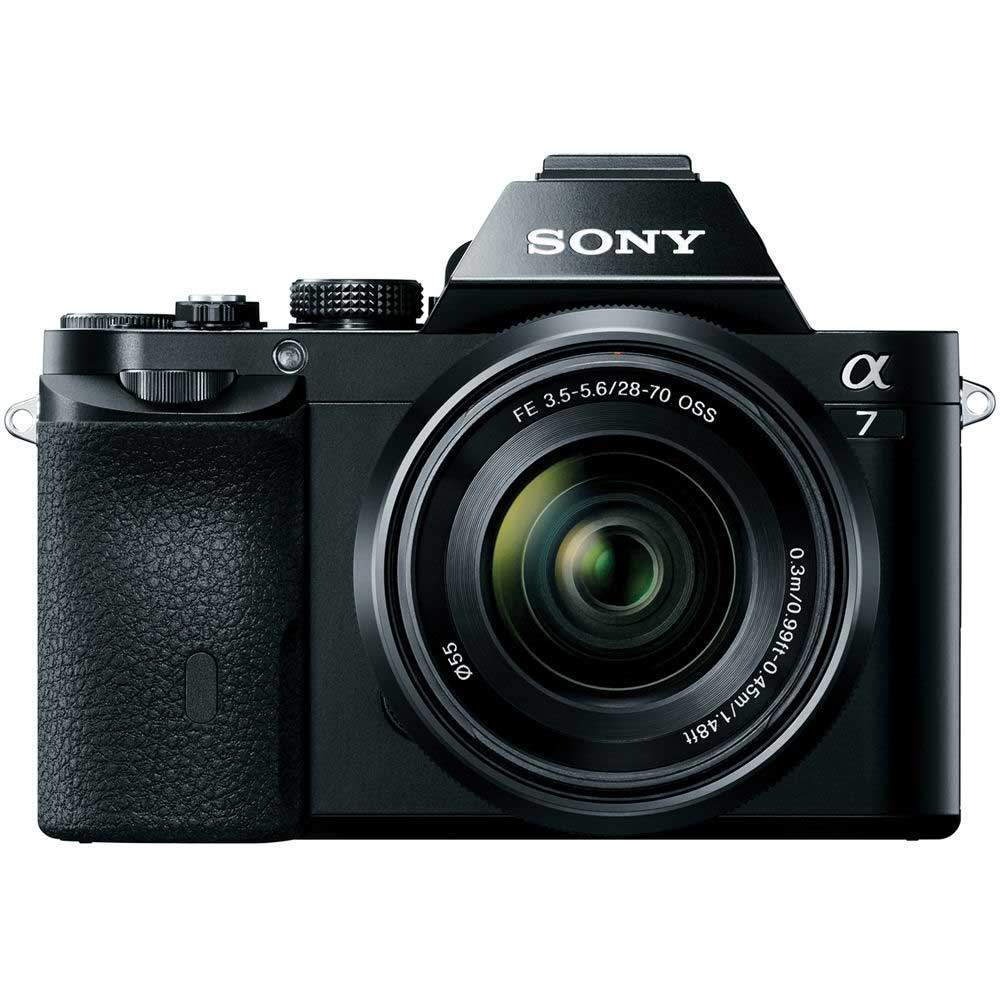
Sony A7 IV
Full-frame Mirrorless · Body only
~£2,299
The wedding photographer's full-frame standard. Dual card slots, AI Eye AF that holds in crowds and backlit scenes, and 33MP that gives clients large prints without compromise. The only camera on this list with both CFexpress and SD UHS-II in a single body.
Why we chose it
Wedding photography is unforgiving. You cannot re-shoot the first kiss, the father walking his daughter down the aisle, or the moment the couple sees each other for the first time. The A7 IV's AI Eye AF removes the technical risk from those unrepeatable moments — it locks, holds, and fires while you focus entirely on reading the scene.
Image quality
The 33MP full-frame sensor handles the full range of wedding lighting: bright midday outdoor portraits, dim church interiors, and the mixed artificial light of an evening reception. Dynamic range is broad enough to recover highlights from windows and shadows from dark suits simultaneously. Colour rendering is accurate and flattering for skin across all complexions.
Handling & feel
The dual card slot setup is the professional feature that matters most. Set both slots to simultaneous write and every image is immediately backed up — a card failure loses nothing. The deep grip handles a heavy 70-200mm across a long reception without fatigue, and the vari-angle screen helps you shoot from behind guests without disturbing the moment.
Autofocus
Sony's AI Eye AF under wedding conditions — backlighting, crowds, movement, partial face obstruction by veils and flowers — performs with a consistency that manual-focus or legacy systems cannot match. The camera makes a decision faster than you can, and it's almost always the right one.
Lens ecosystem
For weddings, a 35mm and an 85mm cover most scenarios. The Sony FE 35mm f/1.8 (~£599) handles ceremonies, reception candids, and available-light portraits. The FE 85mm f/1.8 (~£419) covers couple portraits and detail shots. The Tamron 28-75mm f/2.8 Di III VXD G2 (~£579) is the single-zoom option for photographers who prefer to work with one lens per body.
Best for
Ceremony
Silent electronic shutter for church ceremonies. Eye AF locks onto subjects through crowd, doorways, and backlight.
Great fitReception & low light
Full-frame high-ISO performance handles dimly lit venues, candles, and dance floor lighting with ease.
Great fitPortraits & formals
33MP resolves group portraits so every face is identifiable. Consistent Eye AF for couple portraits.
Great fitGetting ready & BTS
IBIS handles handheld available-light shots in tight rooms. Vari-angle screen aids awkward angles.
Great fitWedding video
4K/60p 10-bit with S-Cinetone and real-time Eye AF in video. A capable hybrid for highlight reel videography.
Great fitOutdoor & golden hour
Broad dynamic range preserves detail in bright sky and shadowed faces simultaneously.
Great fitStrengths
- Dual card slots — CFexpress A + SD UHS-II, write to both simultaneously
- AI Eye AF that holds in crowds, backlight, and low light
- 33MP full-frame for large prints and heavy crops
- 5.5-stop IBIS for available-light ceremony shots
- Silent electronic shutter — shoot church ceremonies unheard
- 4K/60p 10-bit for high-quality wedding videography
Weaknesses
- £2,299 body-only — pro lenses push the total investment significantly
- Heavier than APS-C alternatives at 659g
- Menu system has a learning curve for new Sony users
- 4K/60p generates body warmth in extended video sessions
Also worth considering
Canon EOS R6 Mark II
Full-frame Mirrorless
Many wedding photographers consider Canon's Dual Pixel CMOS AF II the most reliable face-and-eye tracking system available under real-world conditions. 40fps burst, weather sealing, and Canon's warm colour science make it a trusted second body — or primary for Canon loyalists.
Nikon Z6 III
Full-frame Mirrorless
Nikon's partial-stacked sensor gives the Z6 III fast readout speed and excellent low-light performance. At ISO 12,800 it produces files that most cameras struggle with at 6,400. A compelling choice for photographers who spend most of their time in dim venues.
Fujifilm X-T5
APS-C Mirrorless
Not the obvious wedding choice — but the X-T5's 40MP APS-C sensor and Fujifilm's colour rendering produce wedding images with a distinctive, film-like quality that many clients prefer. Ideal as a second body or for photographers whose style leans editorial.
The verdict
Wedding photography doesn't allow for do-overs. That reality shapes every recommendation here. The Sony A7 IV is the most trusted choice among working wedding photographers — dual card slots, AI Eye AF that never drops in crowds or backlit church doorways, and full-frame low-light performance that handles candlelit ceremonies. Canon's EOS R6 Mark II earns its place through Dual Pixel AF II: many photographers consider it the most reliable face-tracking system they've ever used under real conditions. The Nikon Z6 III brings partial-stacked full-frame speed for photographers who cover fast-paced receptions and need both stills and video in a single body.
Also worth considering
Sony A7R V
Full-frame 61MP · Maximum resolution for large prints
~£3,299
Canon EOS R5 Mark II
Full-frame 45MP · Canon's flagship with dual card slots
~£3,499