Popular Comparisons
How to Choose the Right Mirrorless Cameras
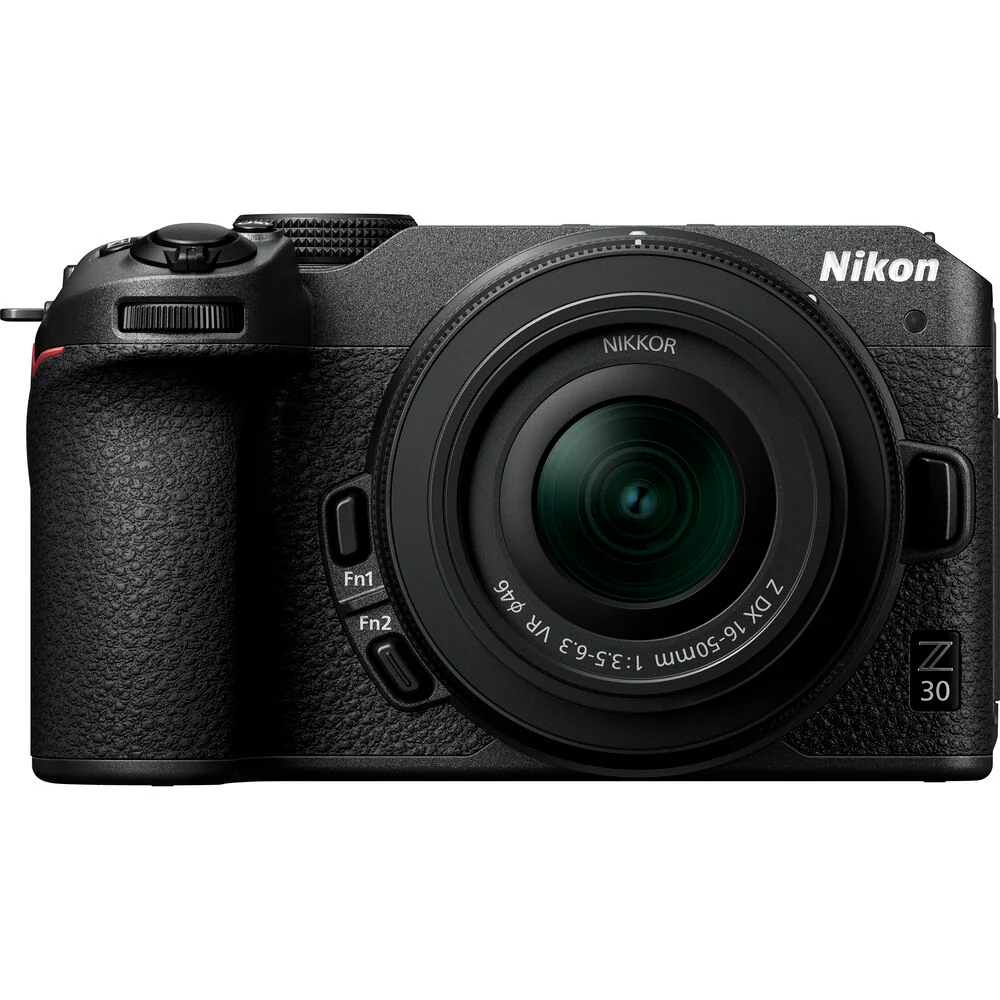
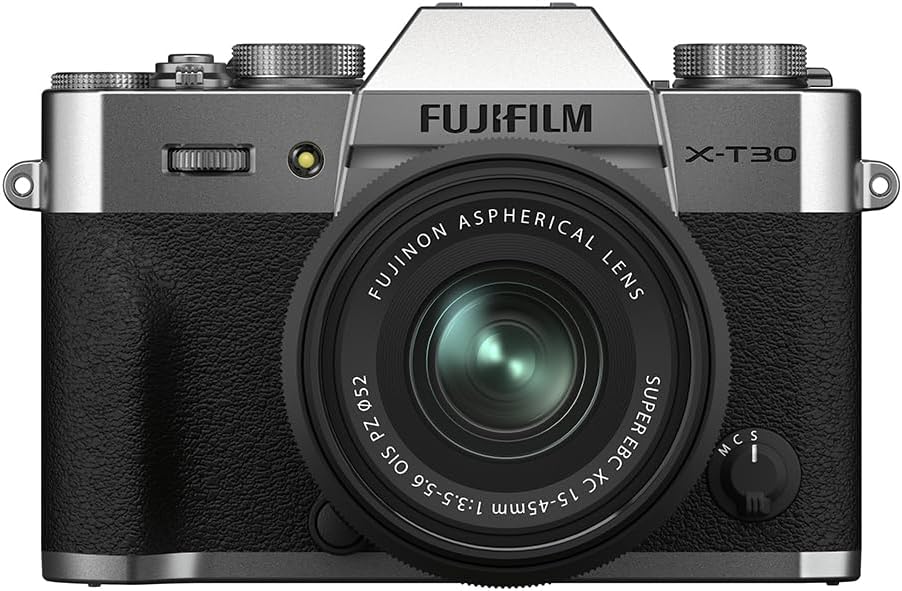
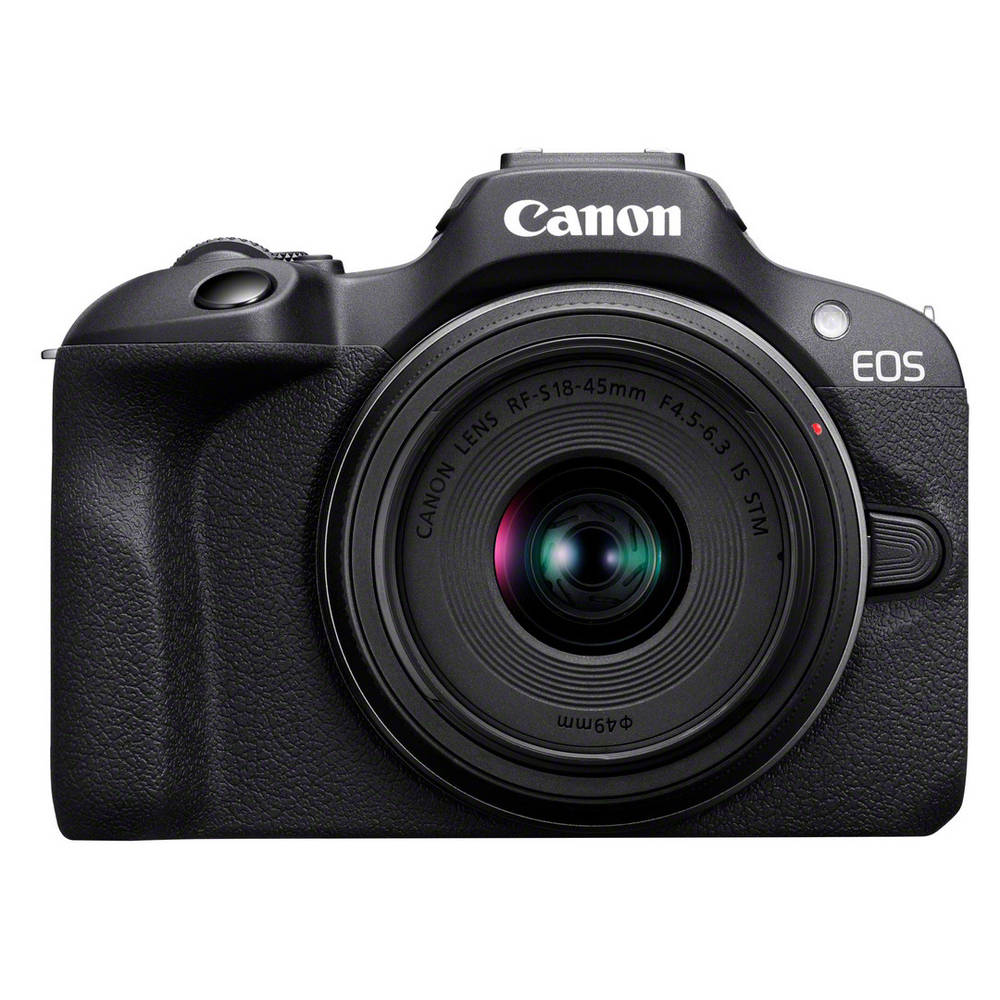
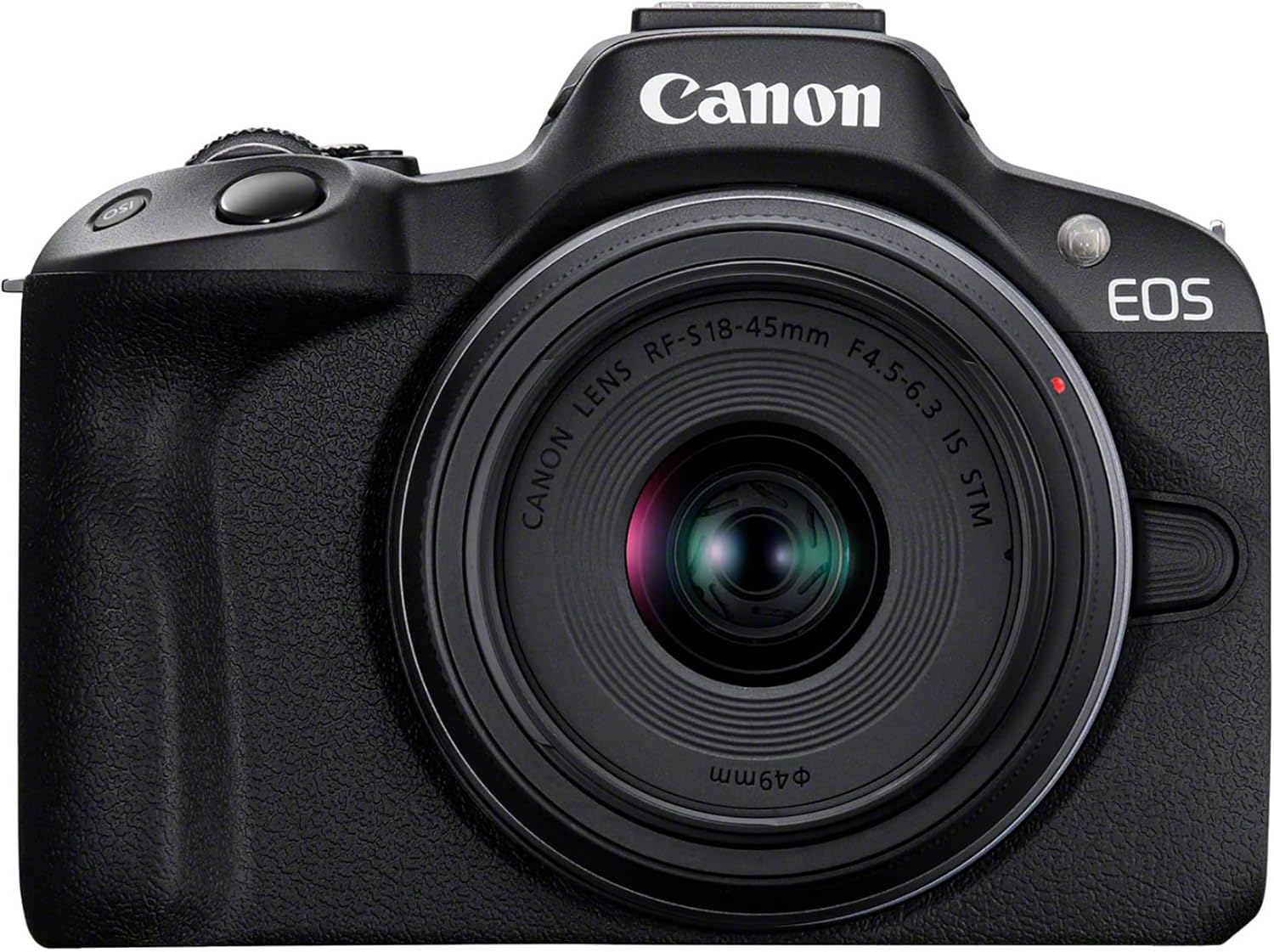
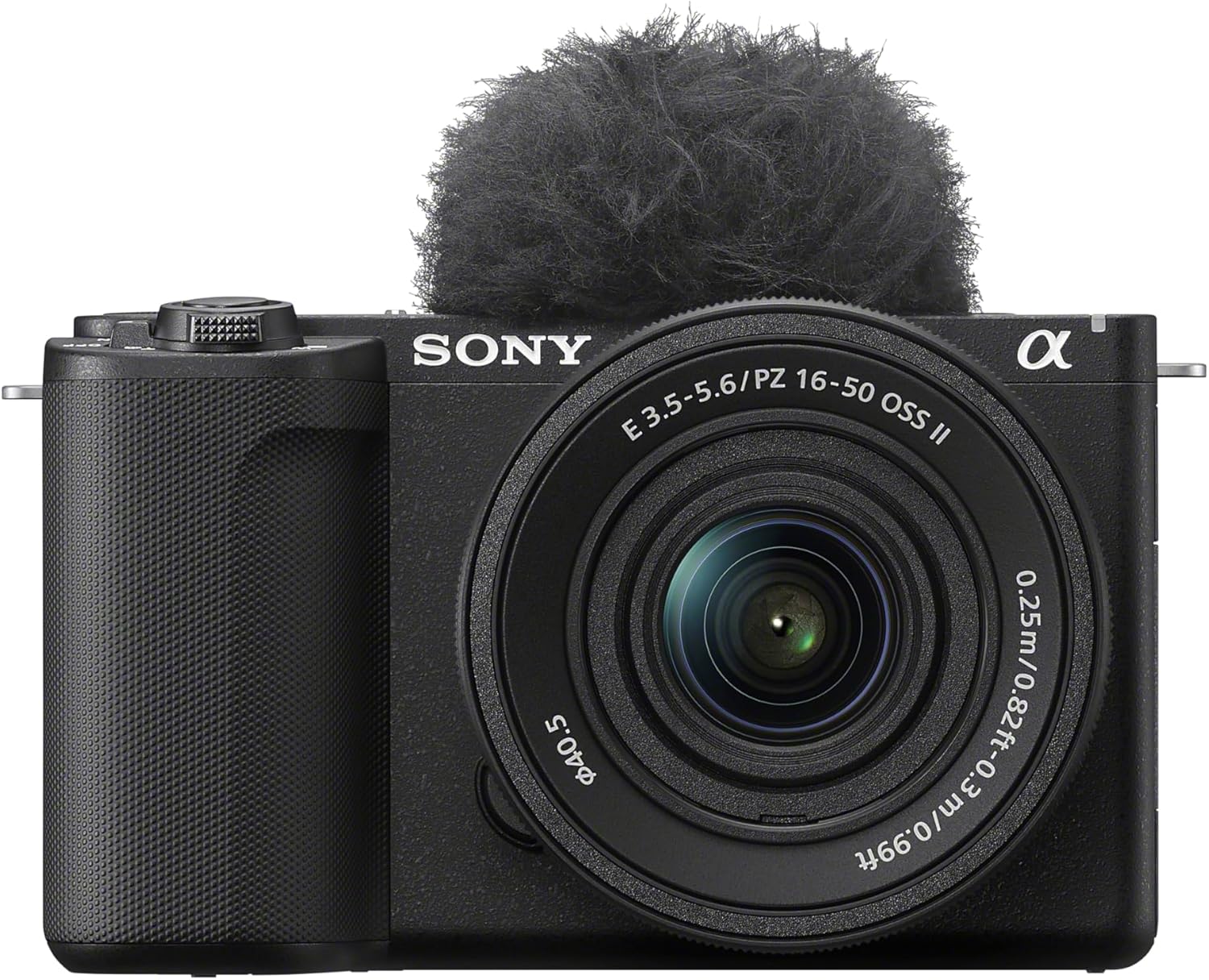
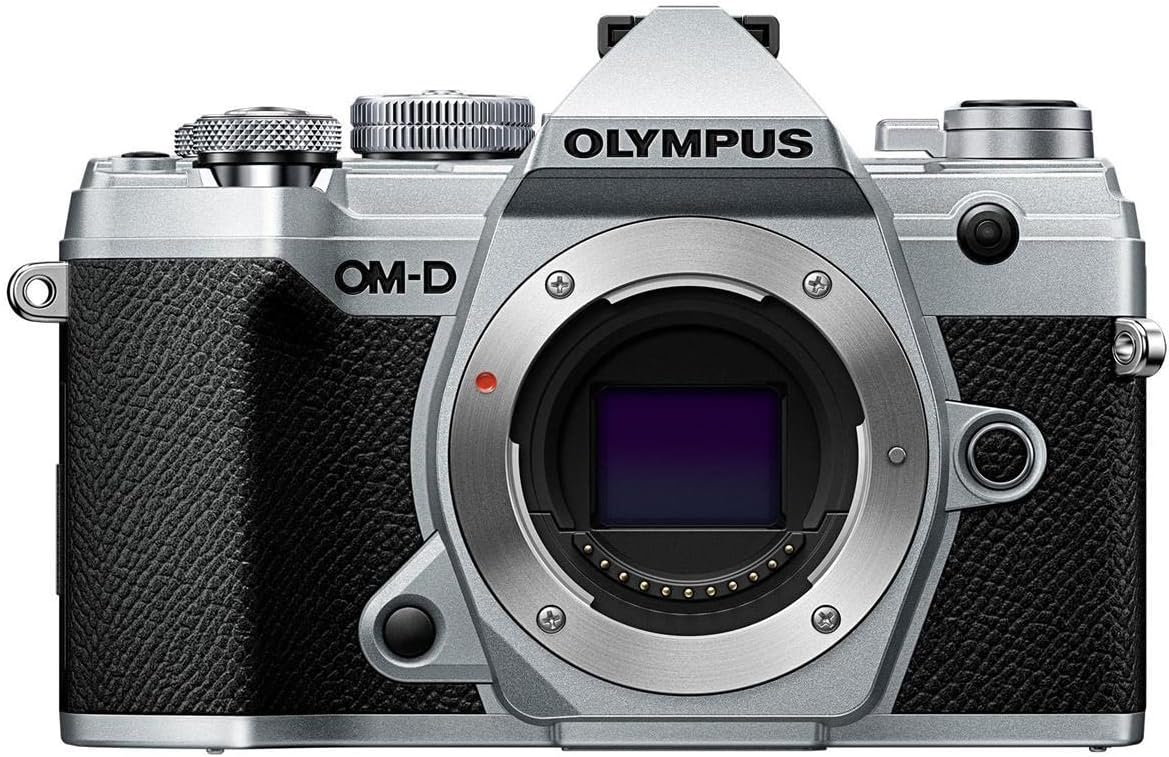
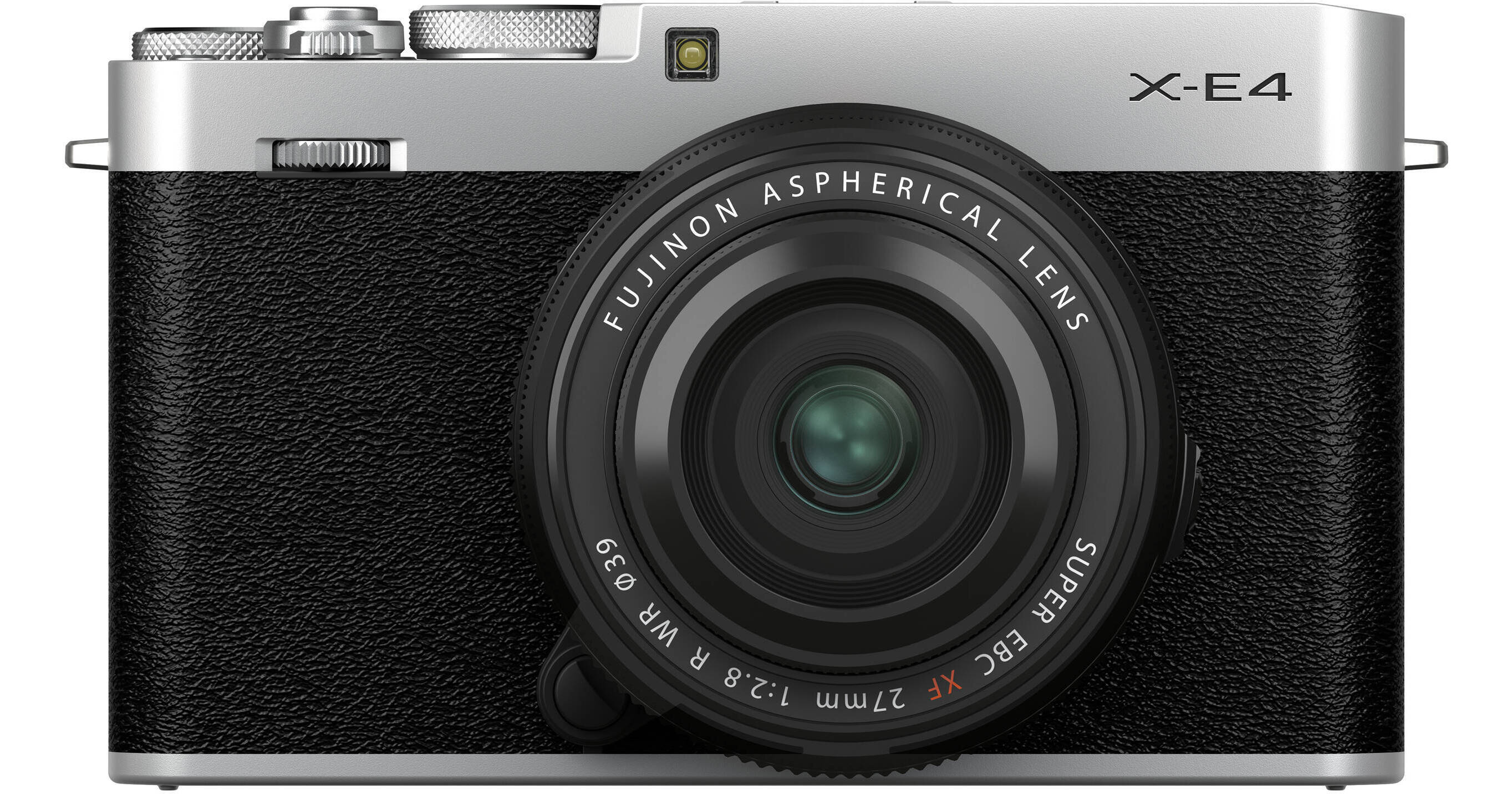
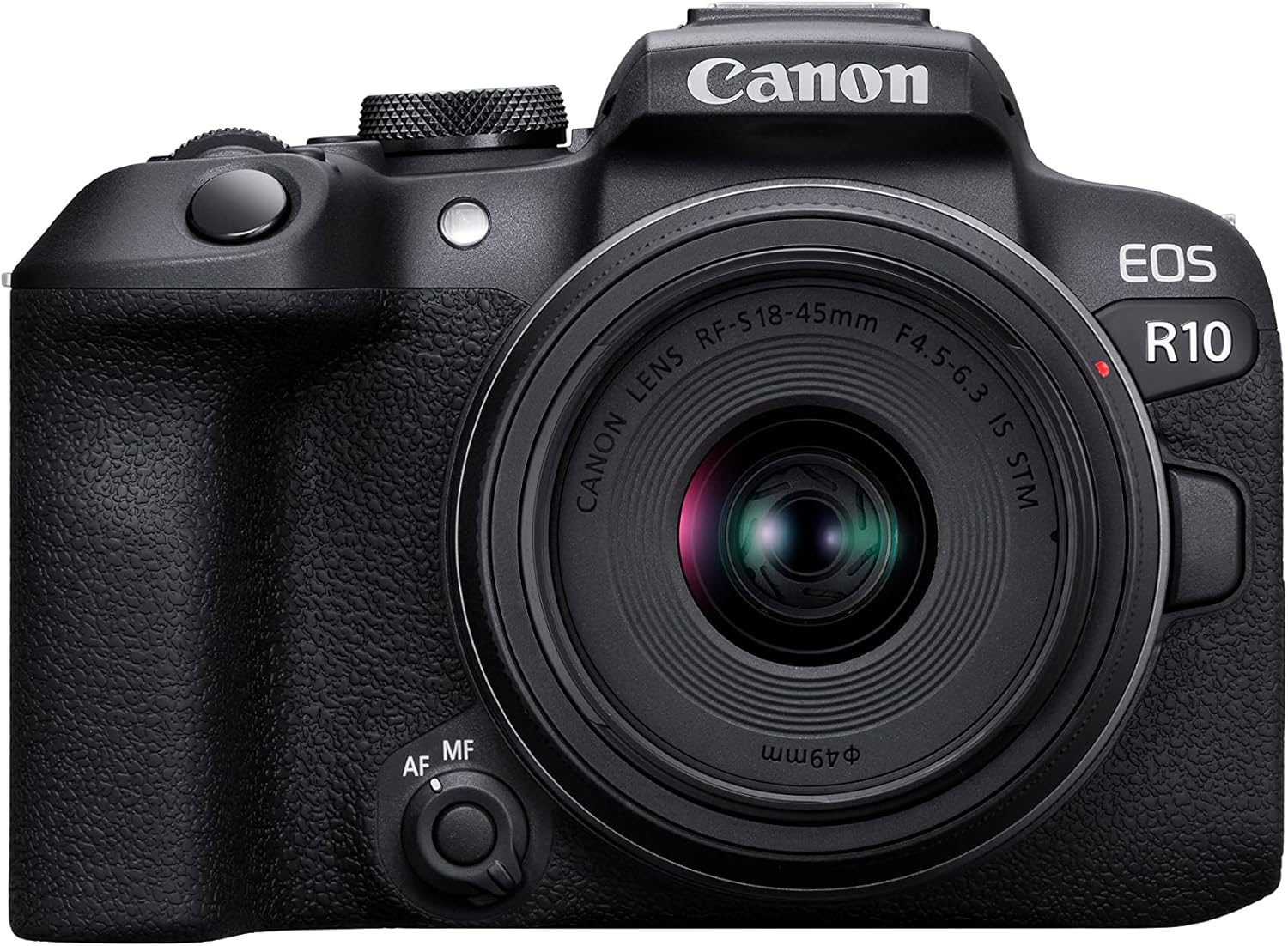
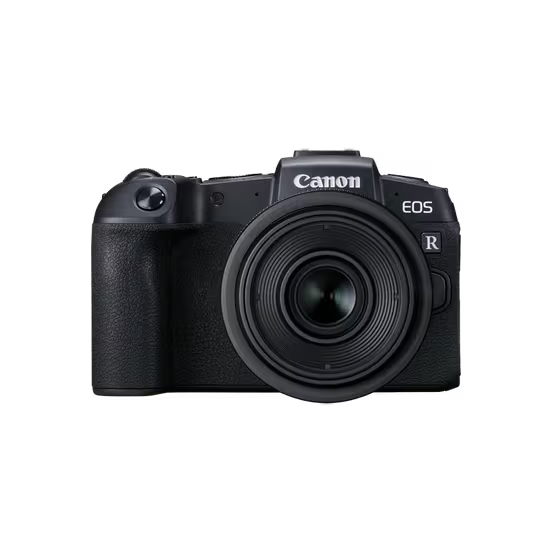
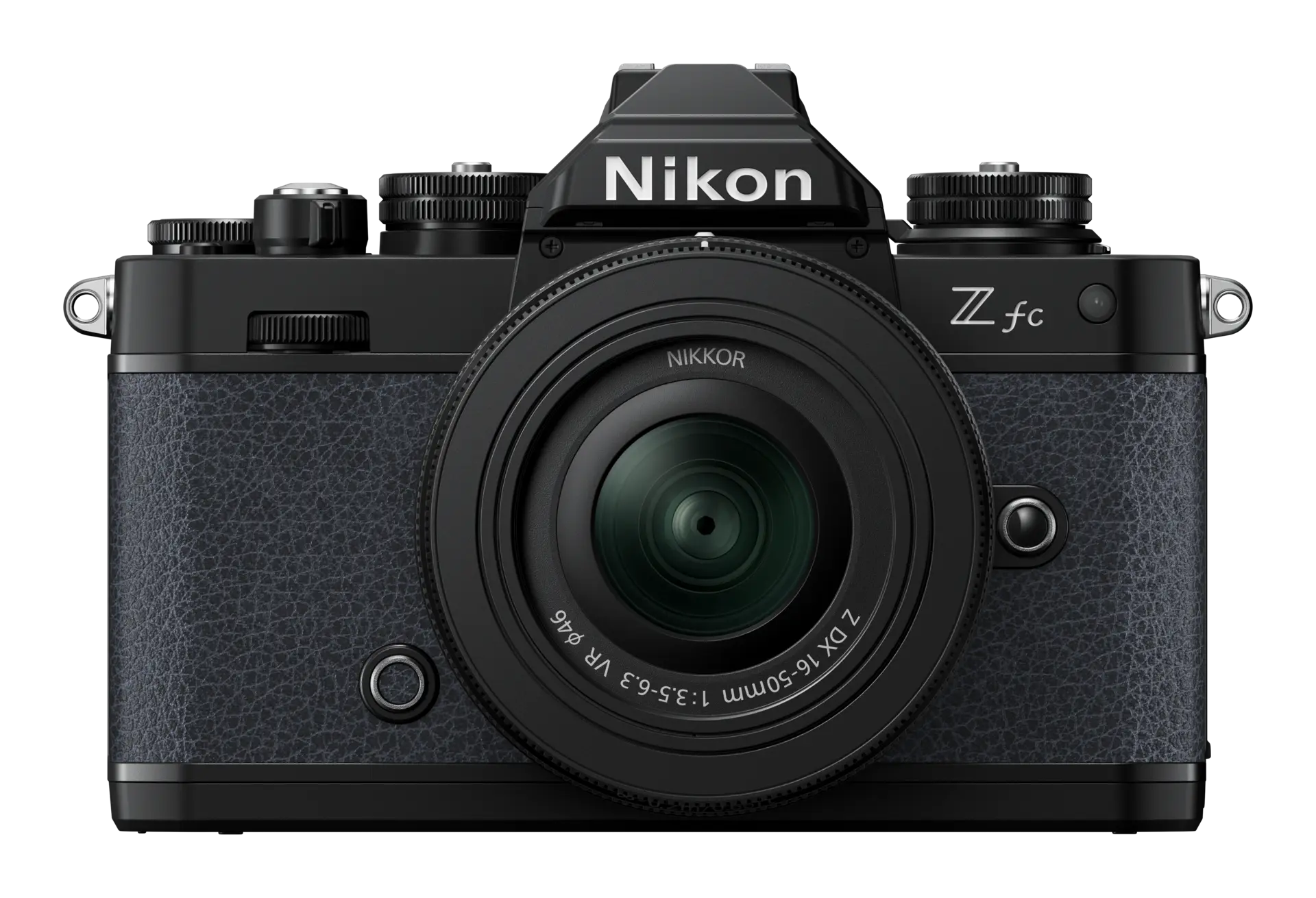
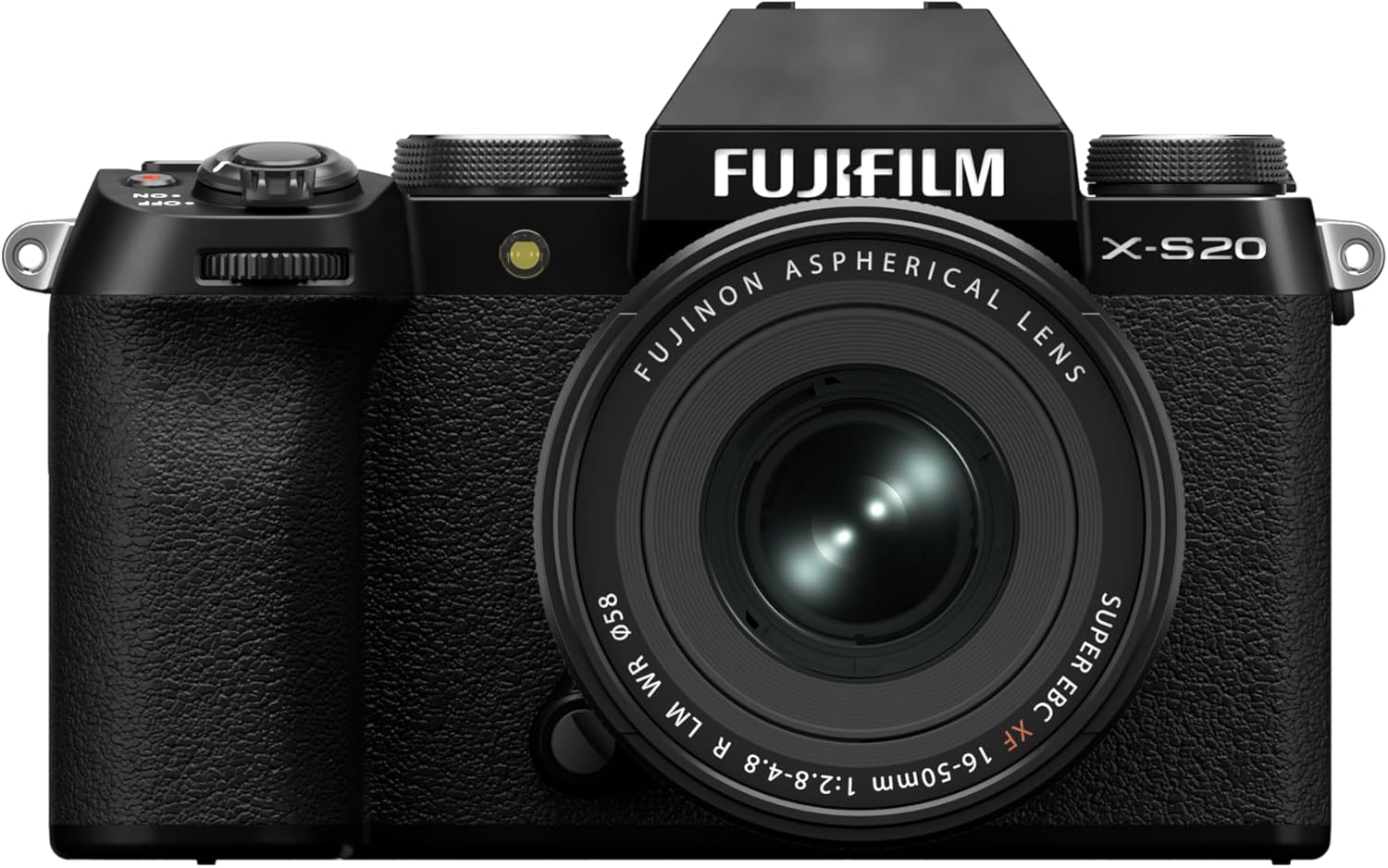
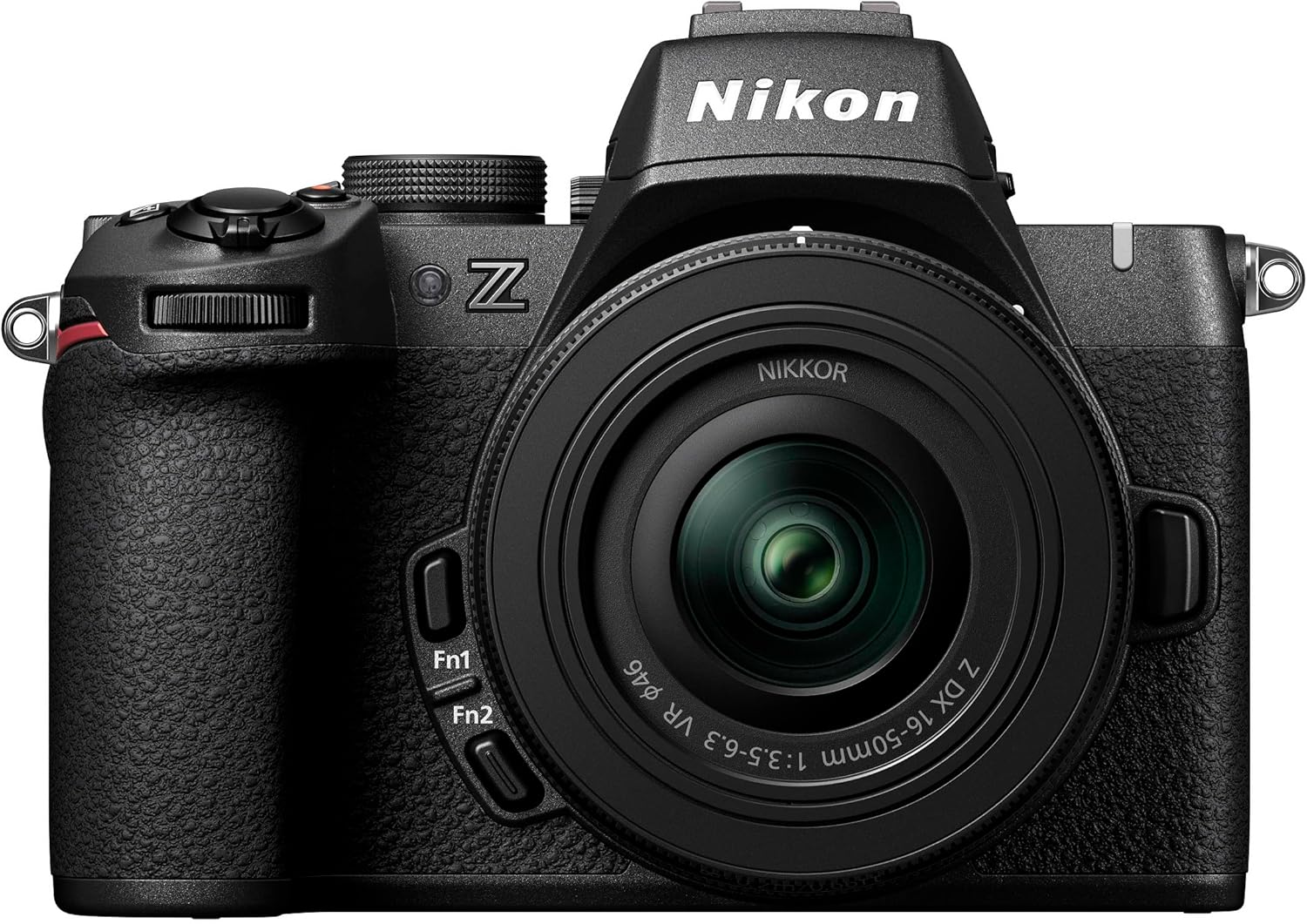
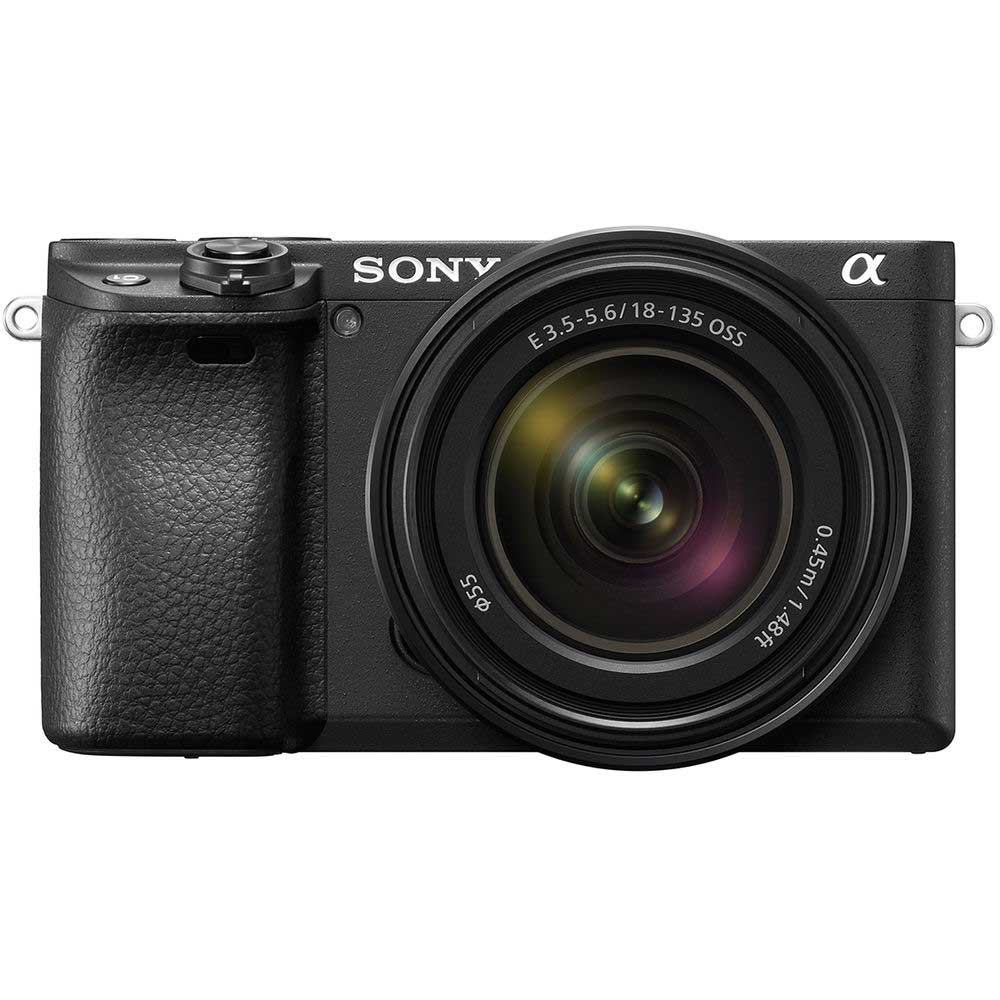
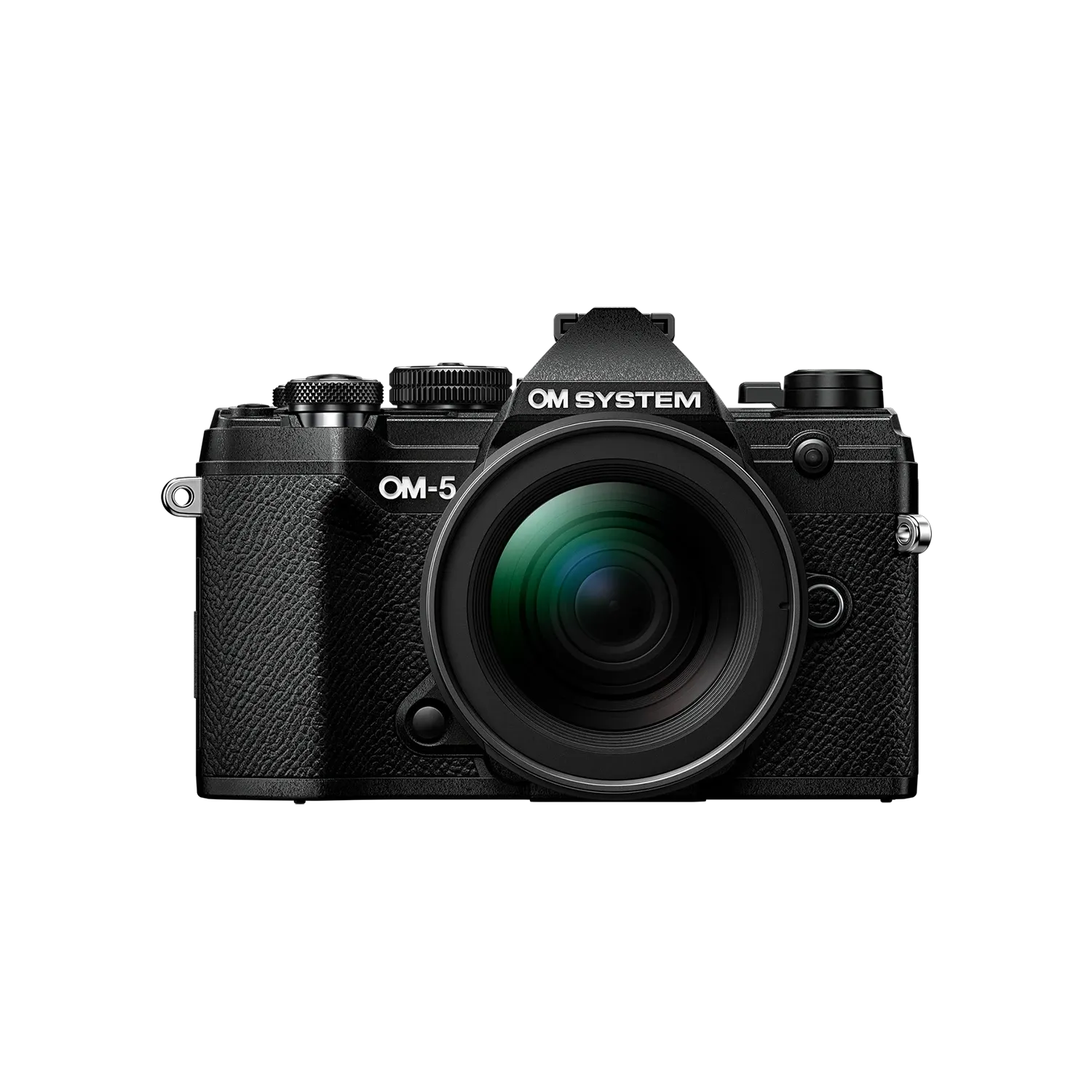
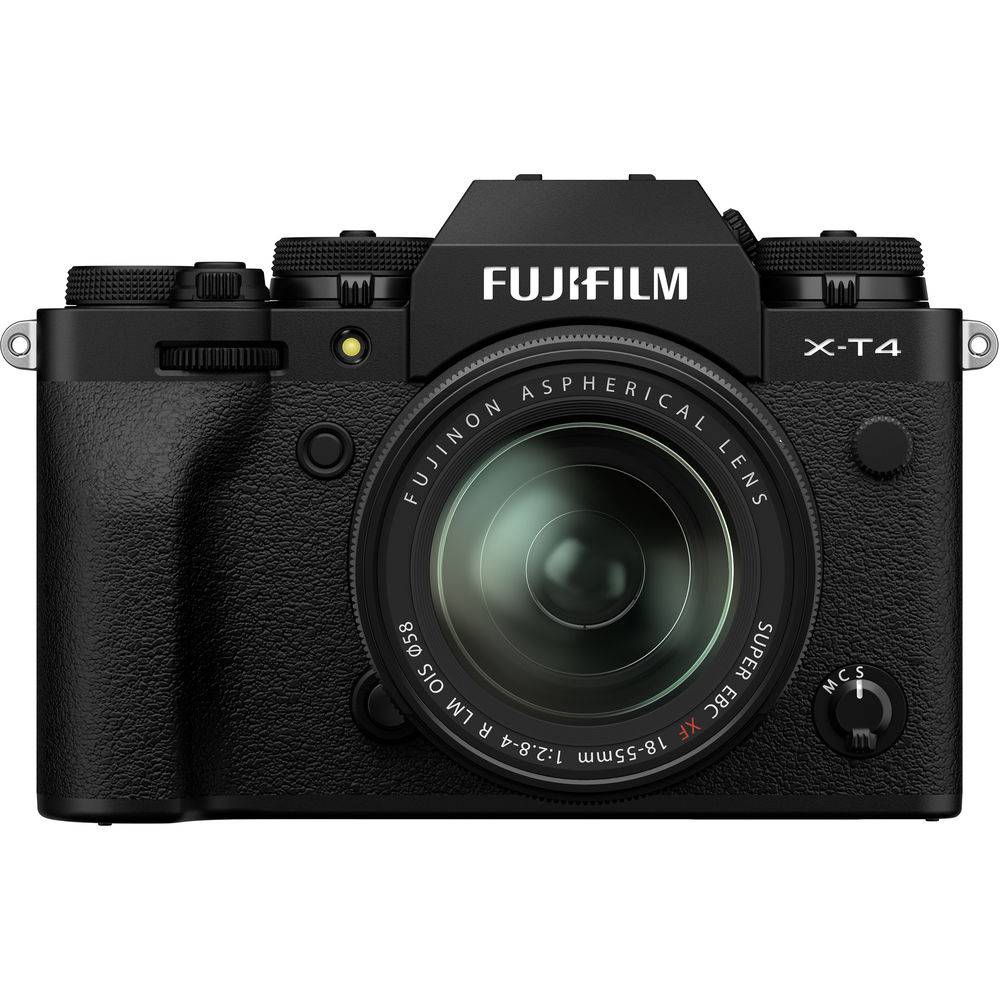
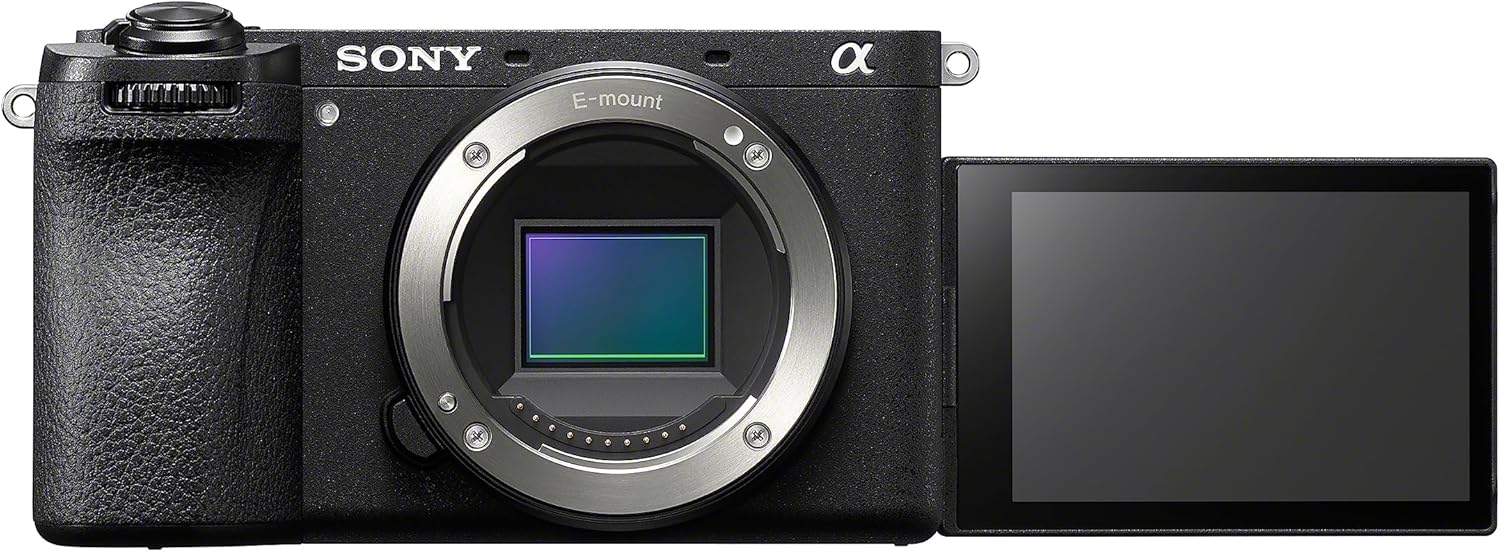
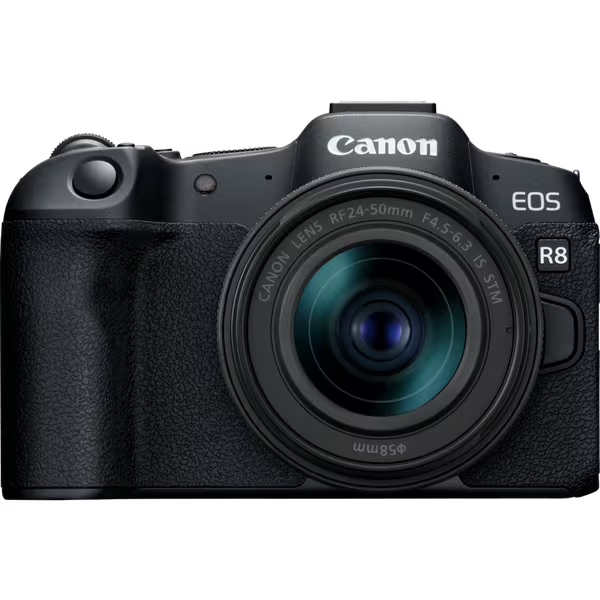
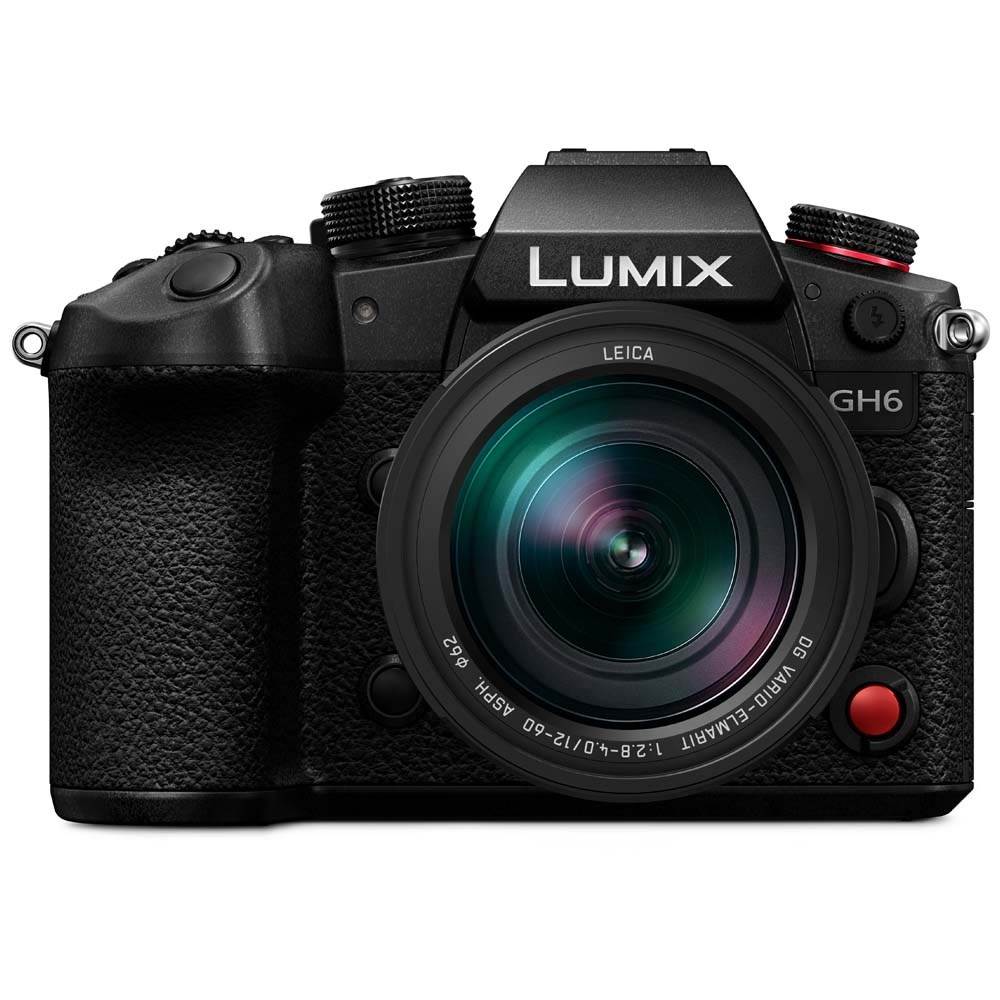
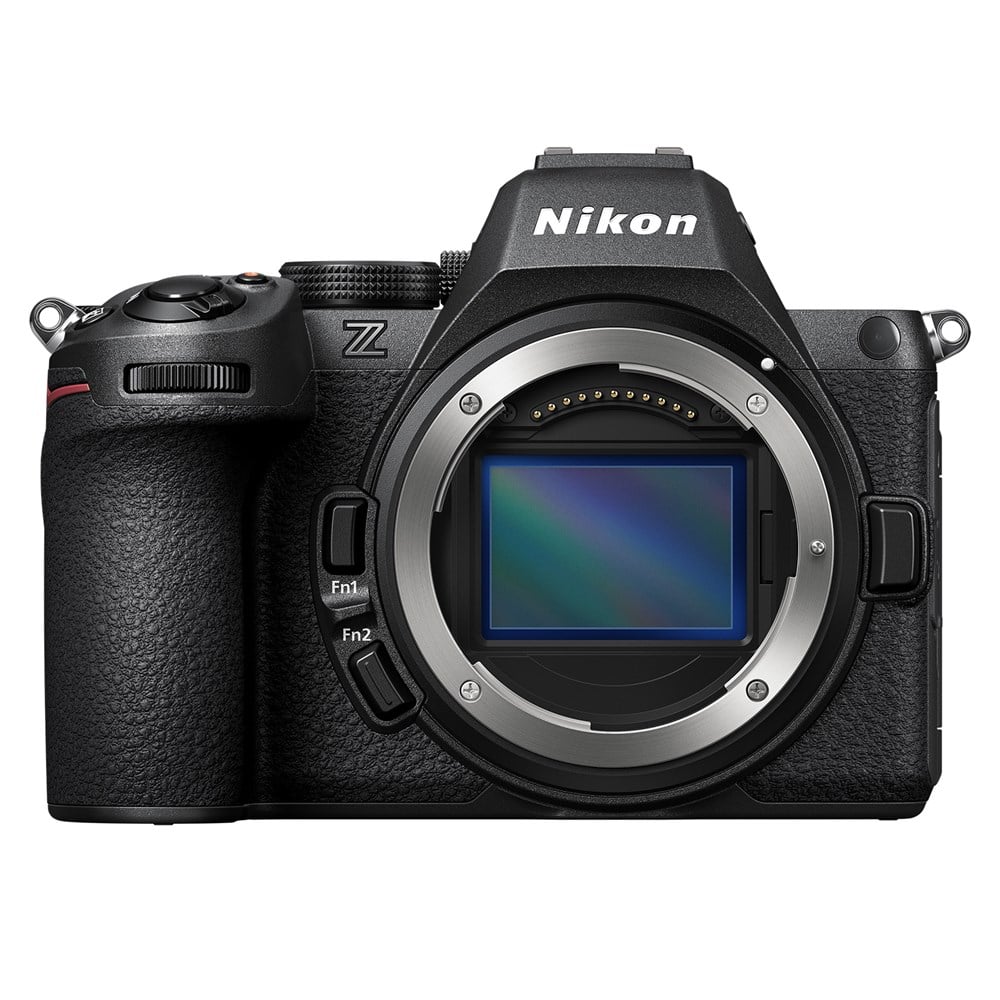
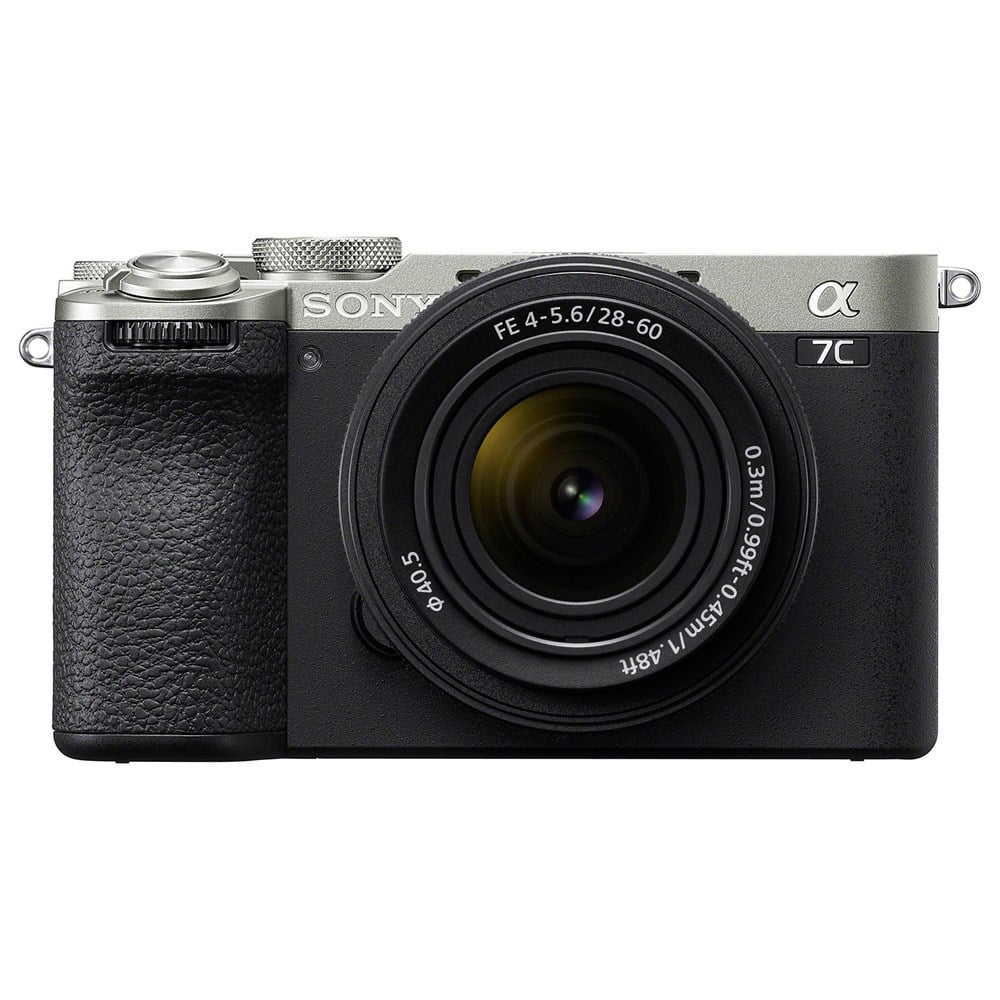
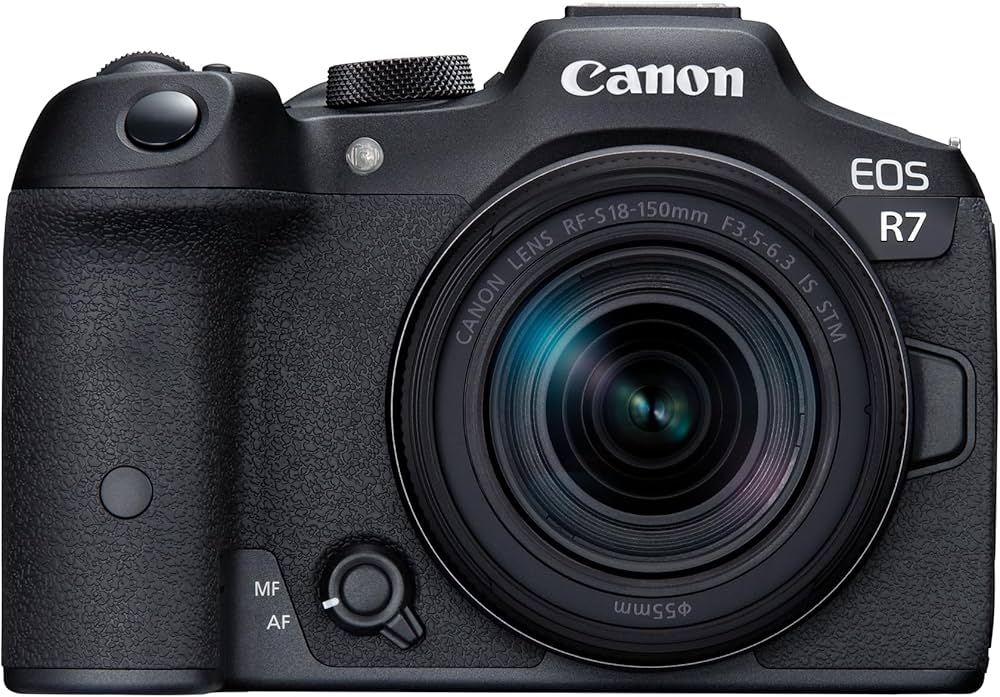
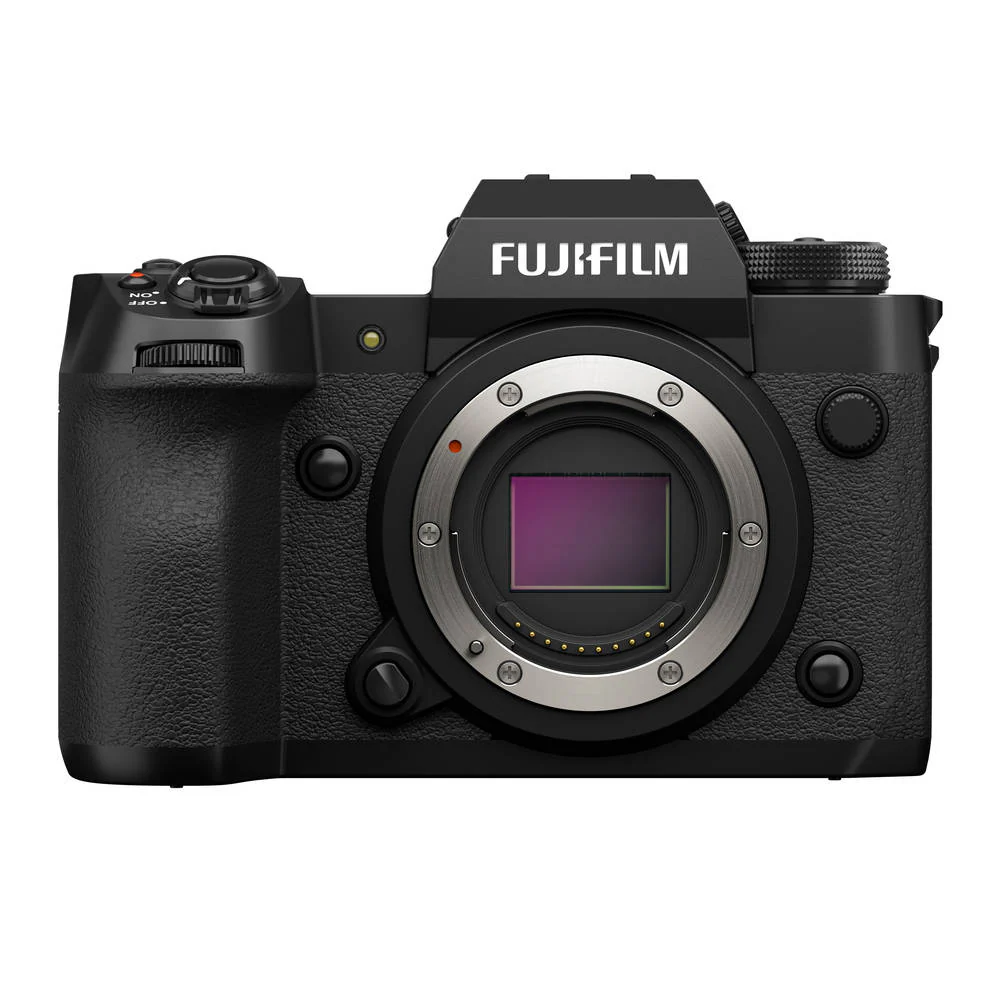
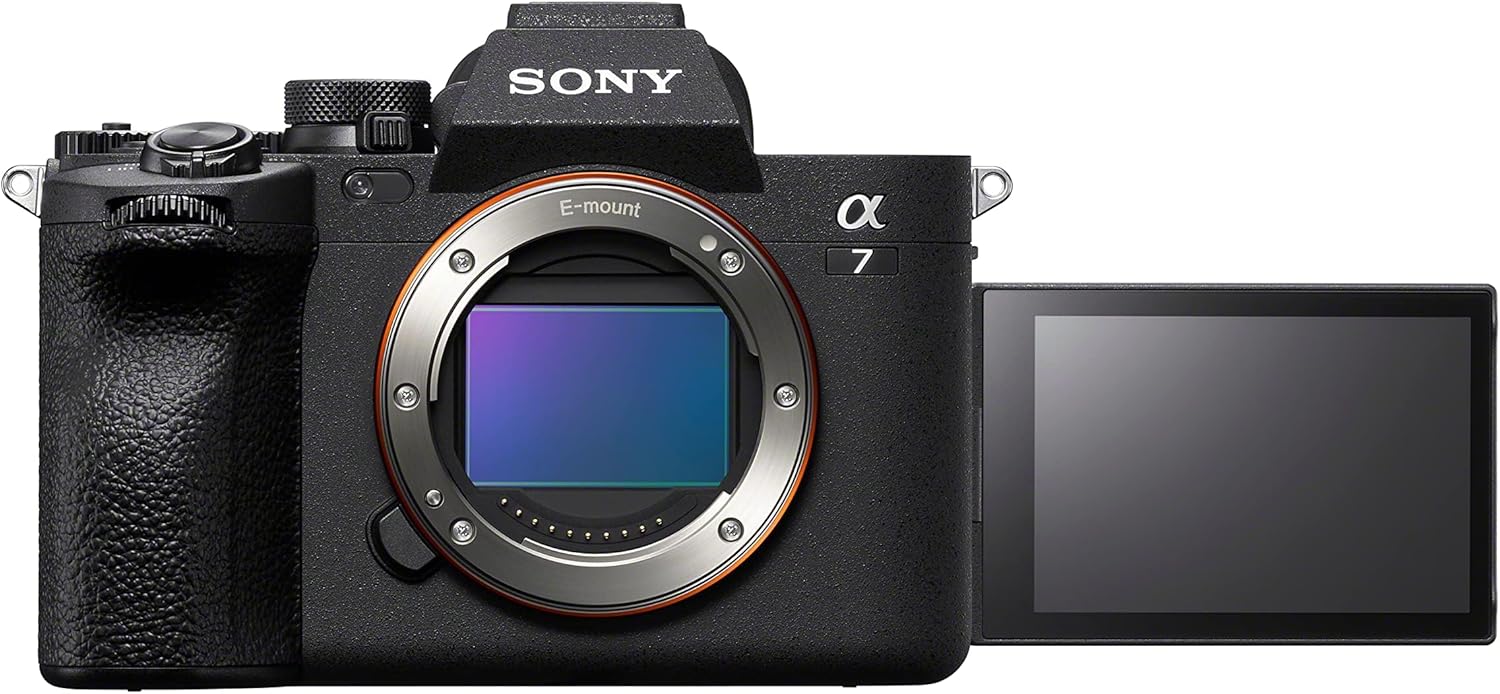
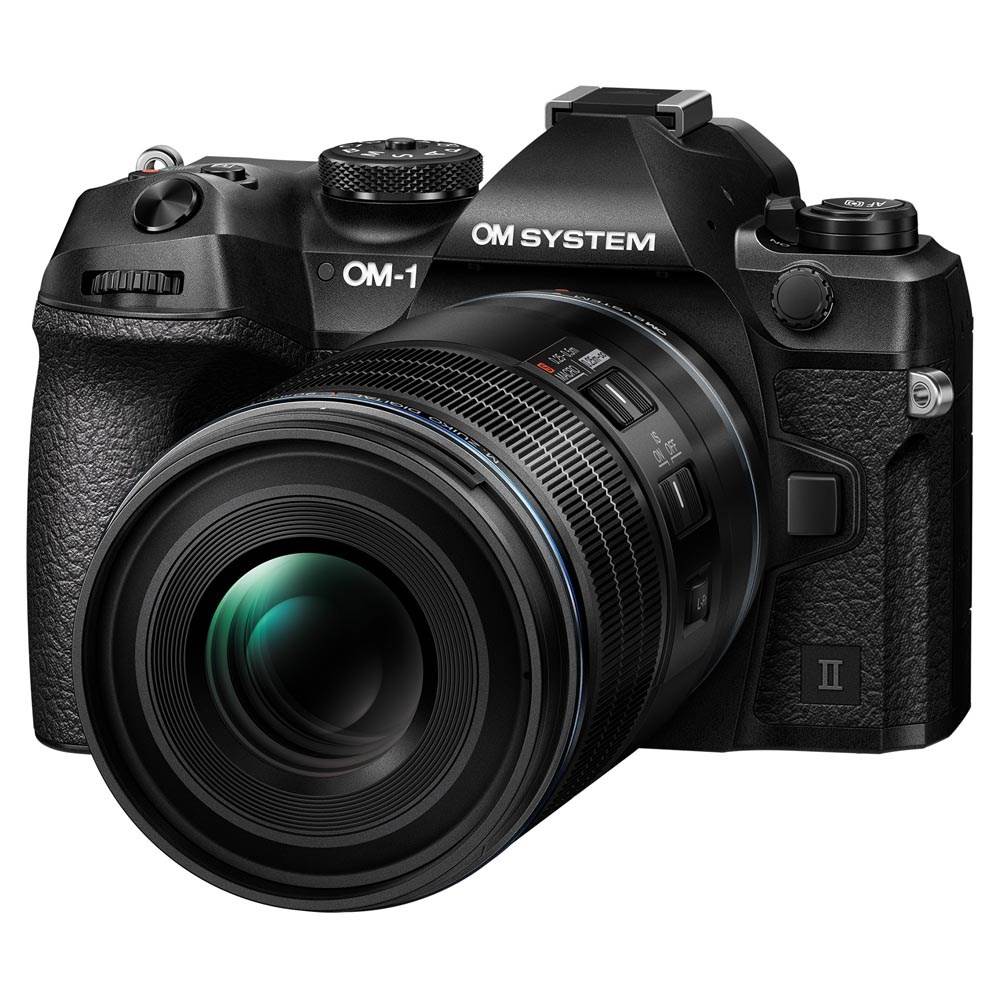
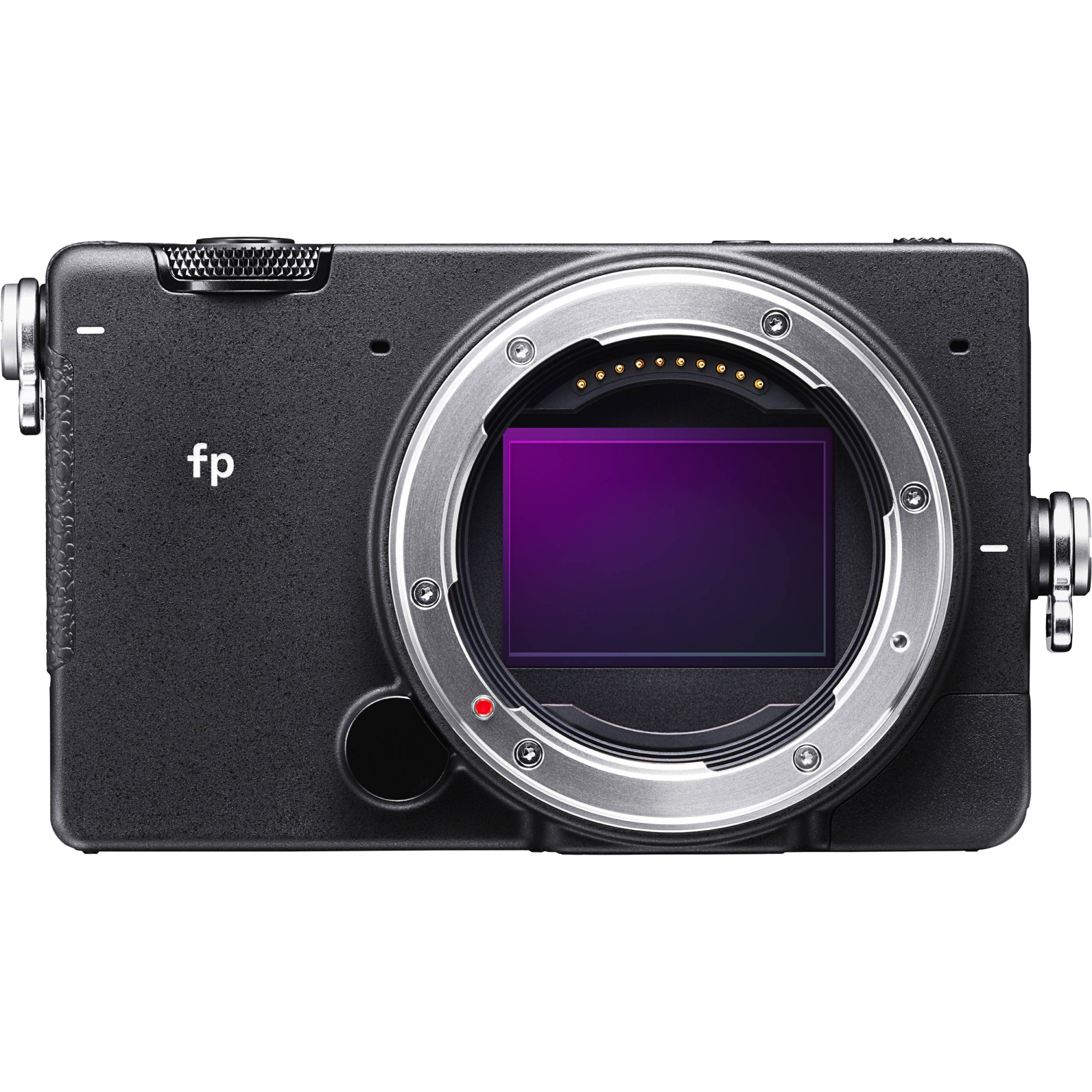
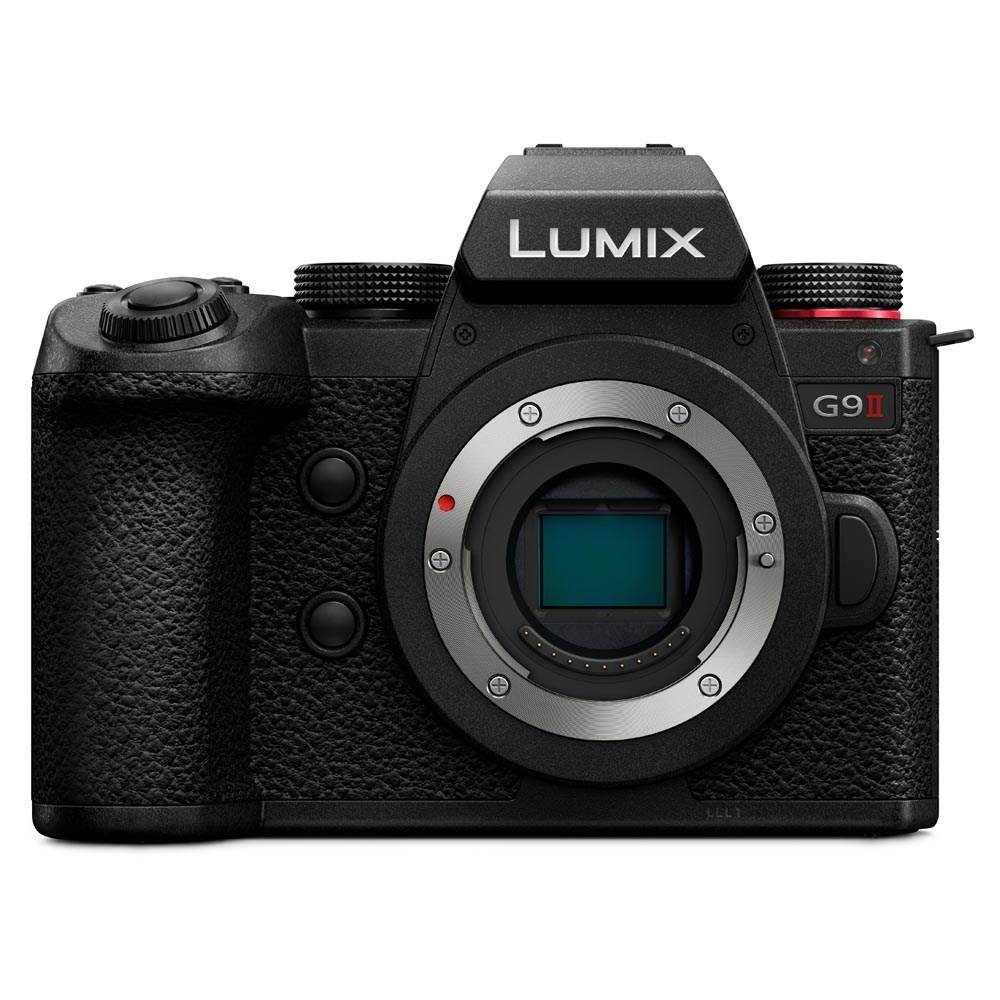
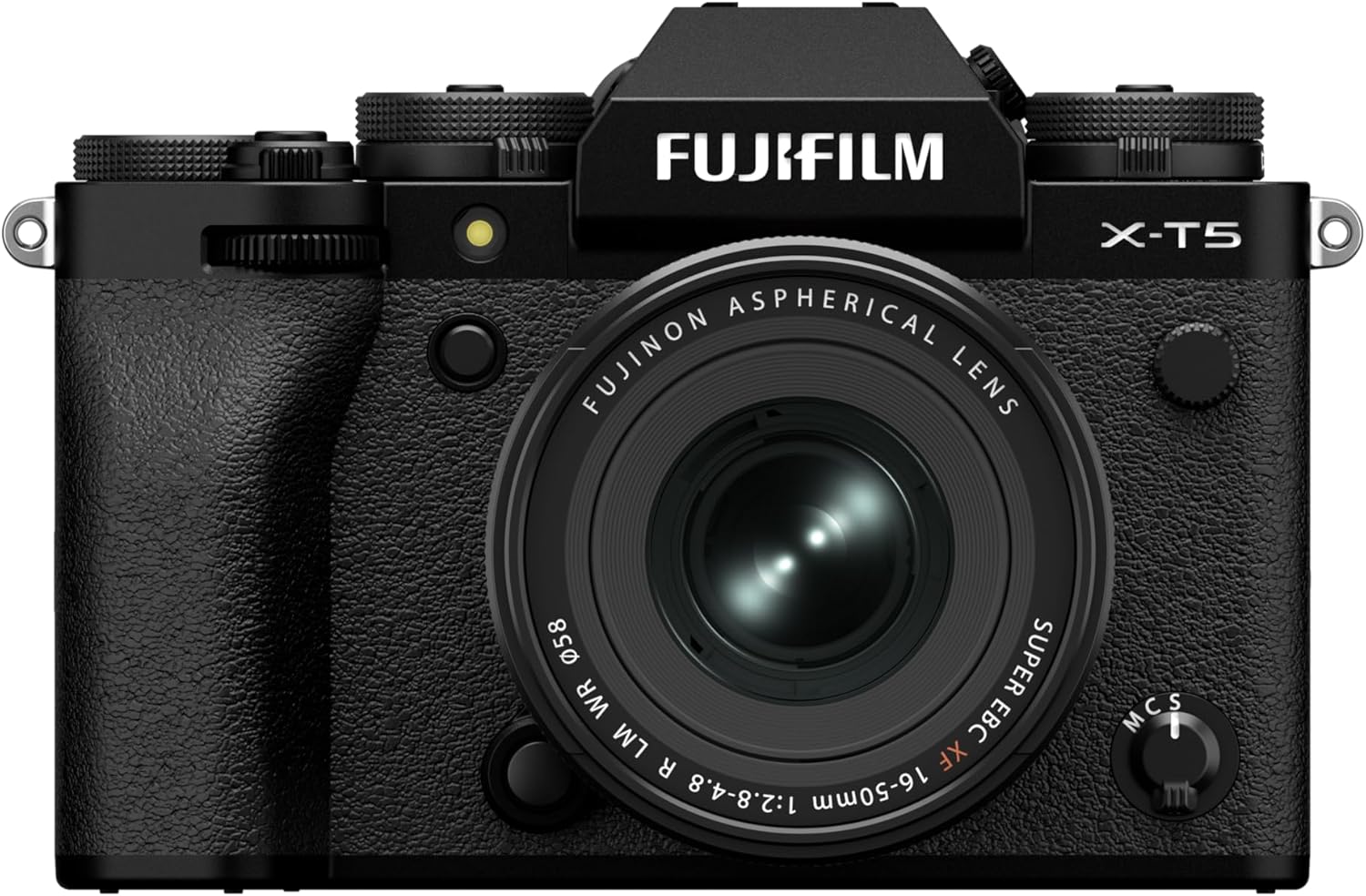
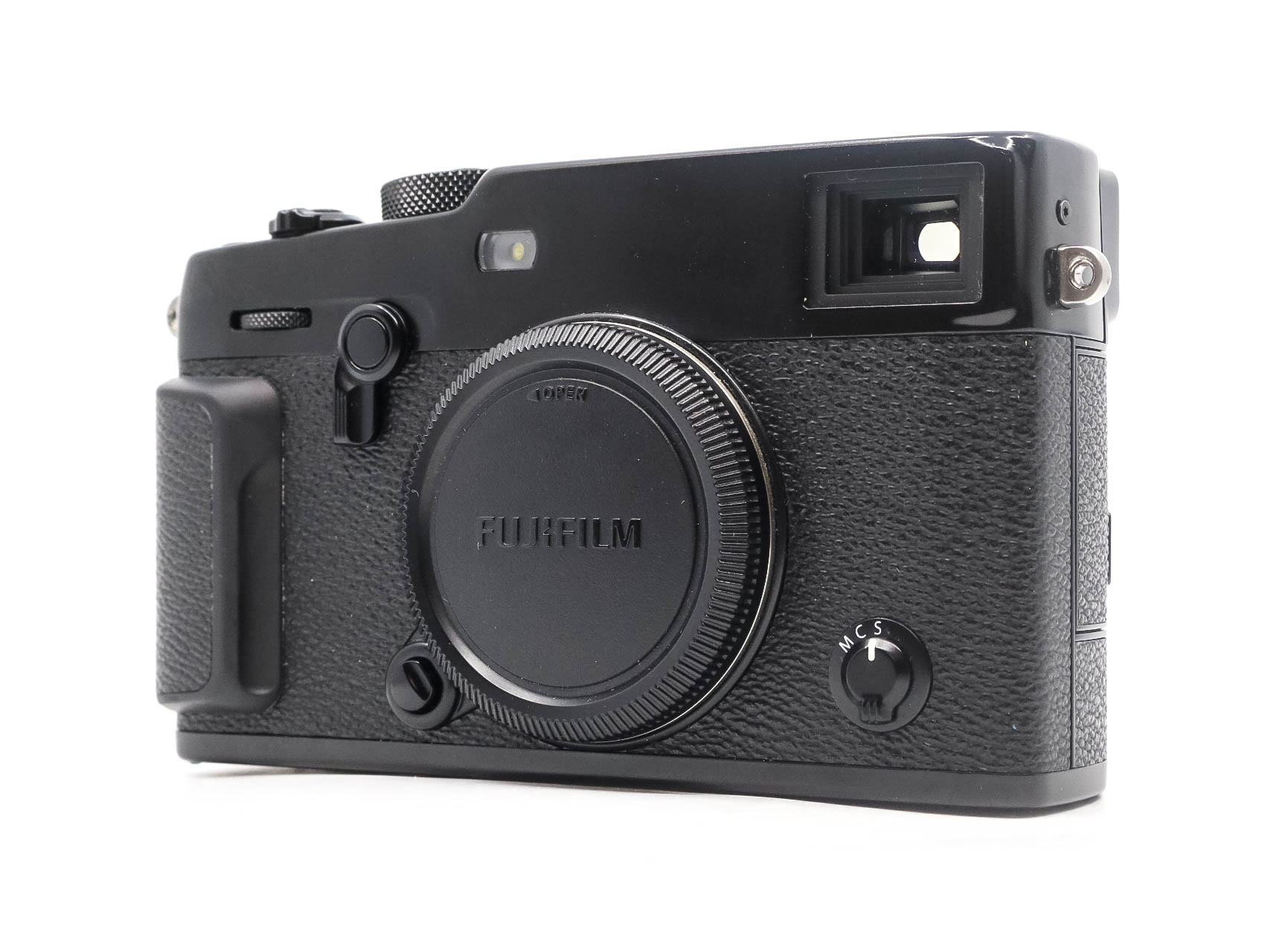
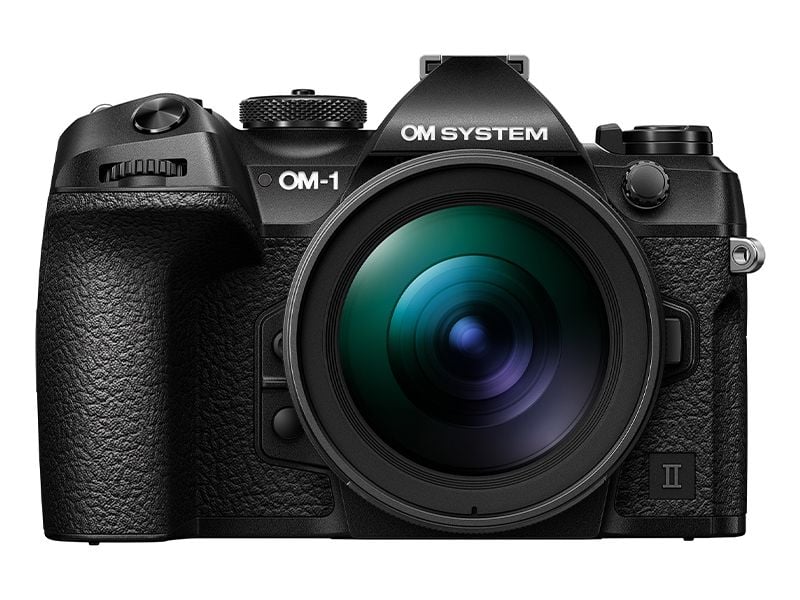
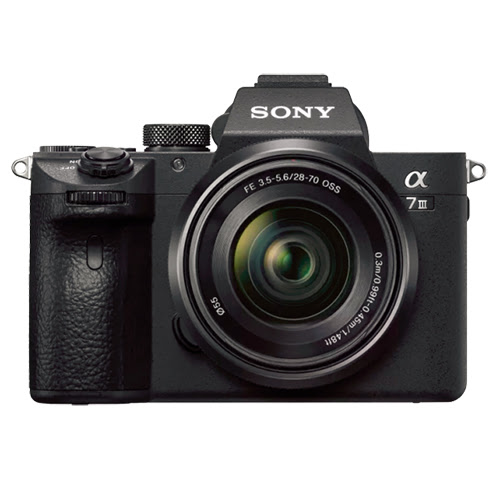
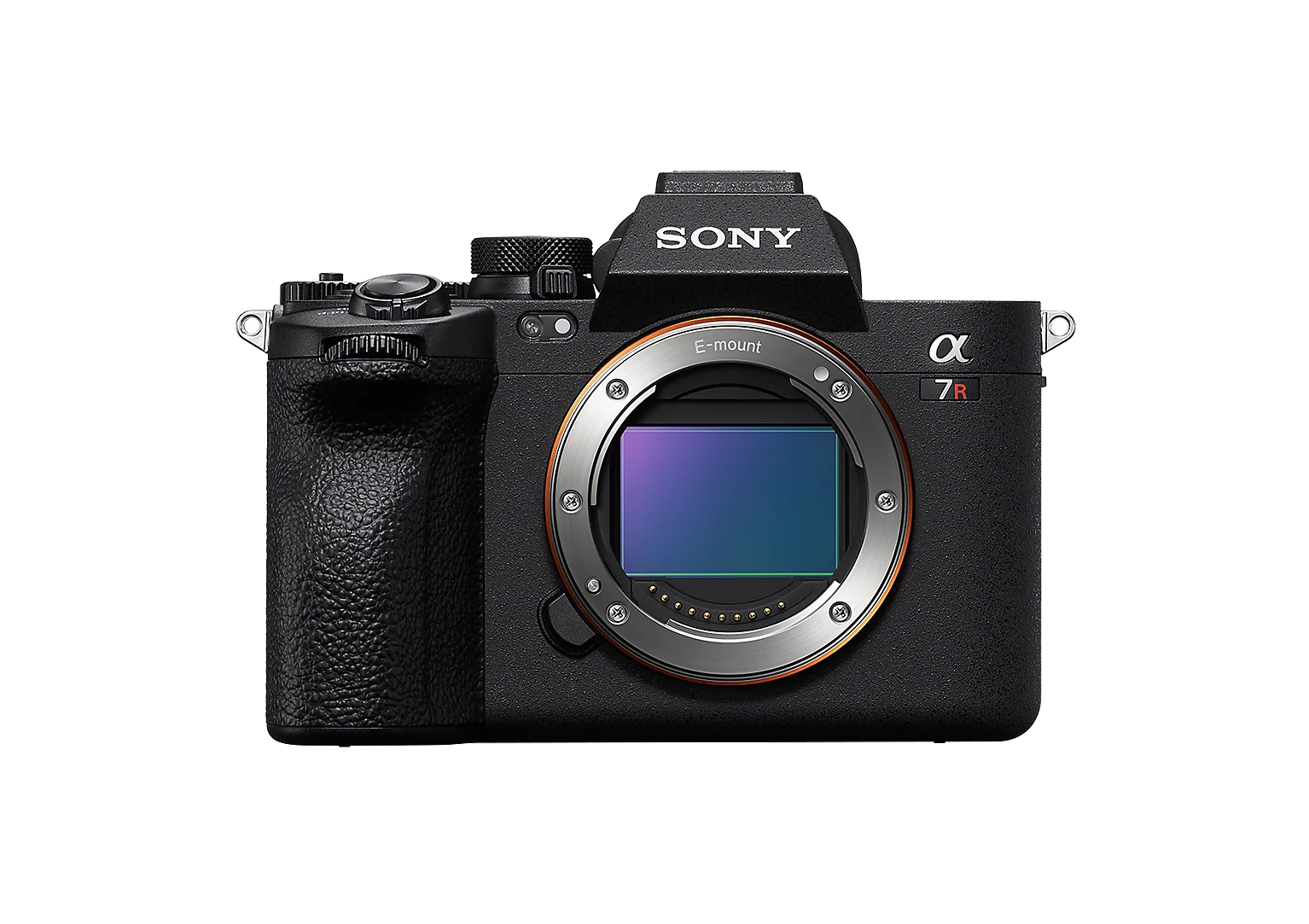
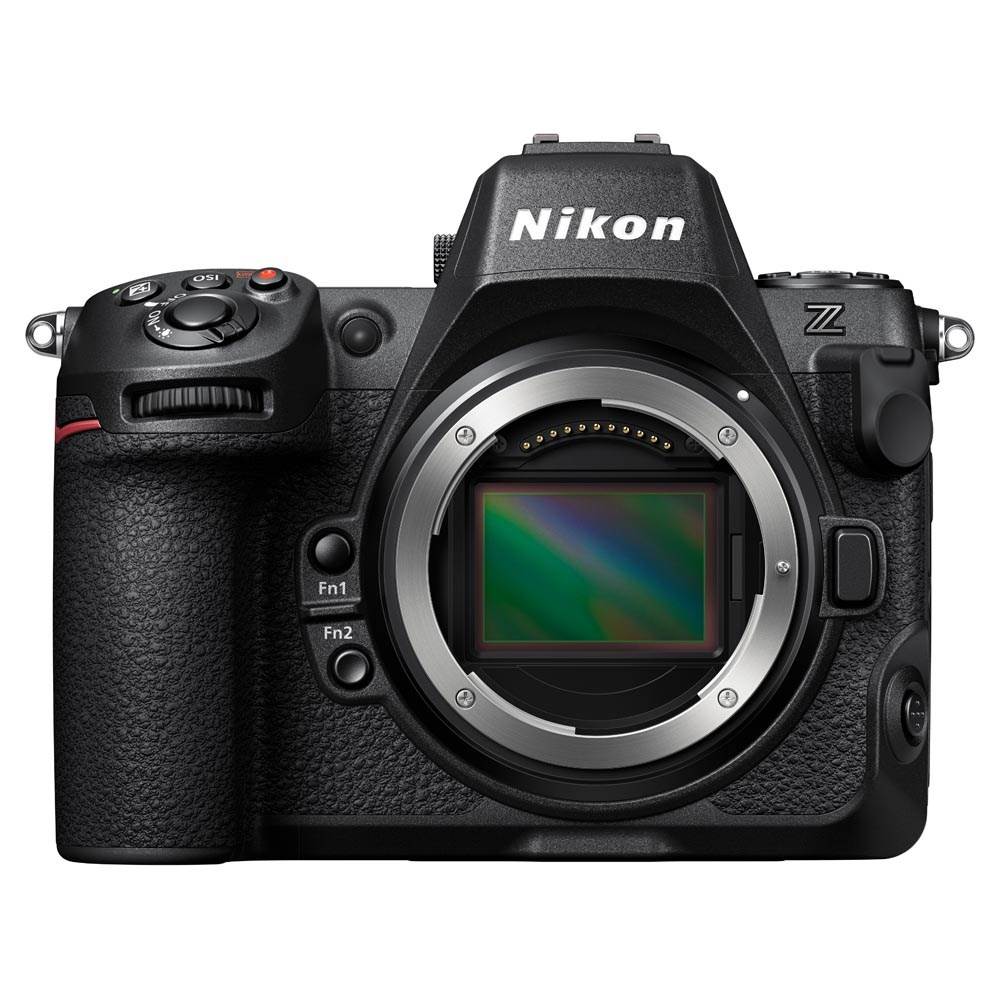
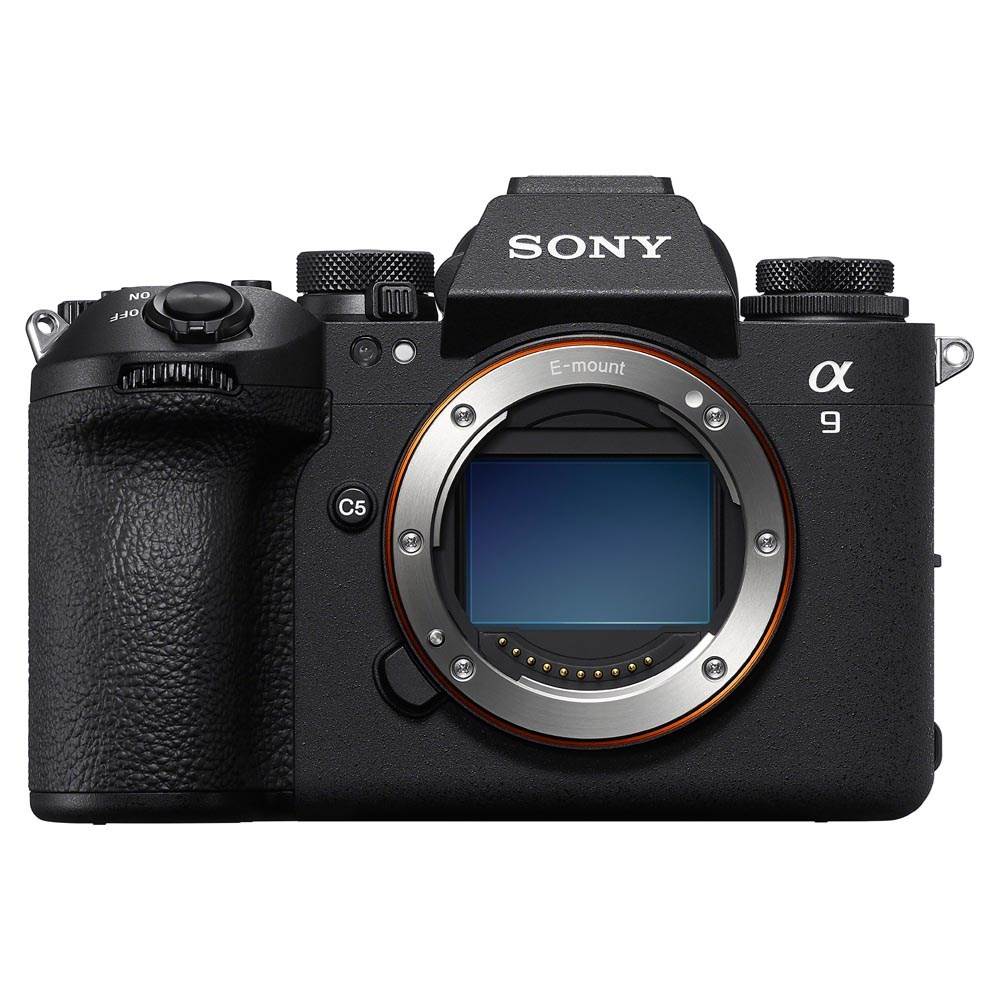
The key decision in mirrorless is sensor size. Full-frame (Sony A7/A9, Canon EOS R, Nikon Z) gives the best low-light performance and shallowest depth of field. APS-C (Fujifilm X, Sony A6xxx, Canon R50/R7) offers a lighter, more affordable system with an excellent lens selection. Micro Four Thirds (OM System, Lumix) prioritises compact size and reach. Beyond sensor, consider autofocus sophistication, video specs, and most importantly — the lens ecosystem you want to invest in long term.
Frequently Asked Questions
What is the best mirrorless camera in 2026?
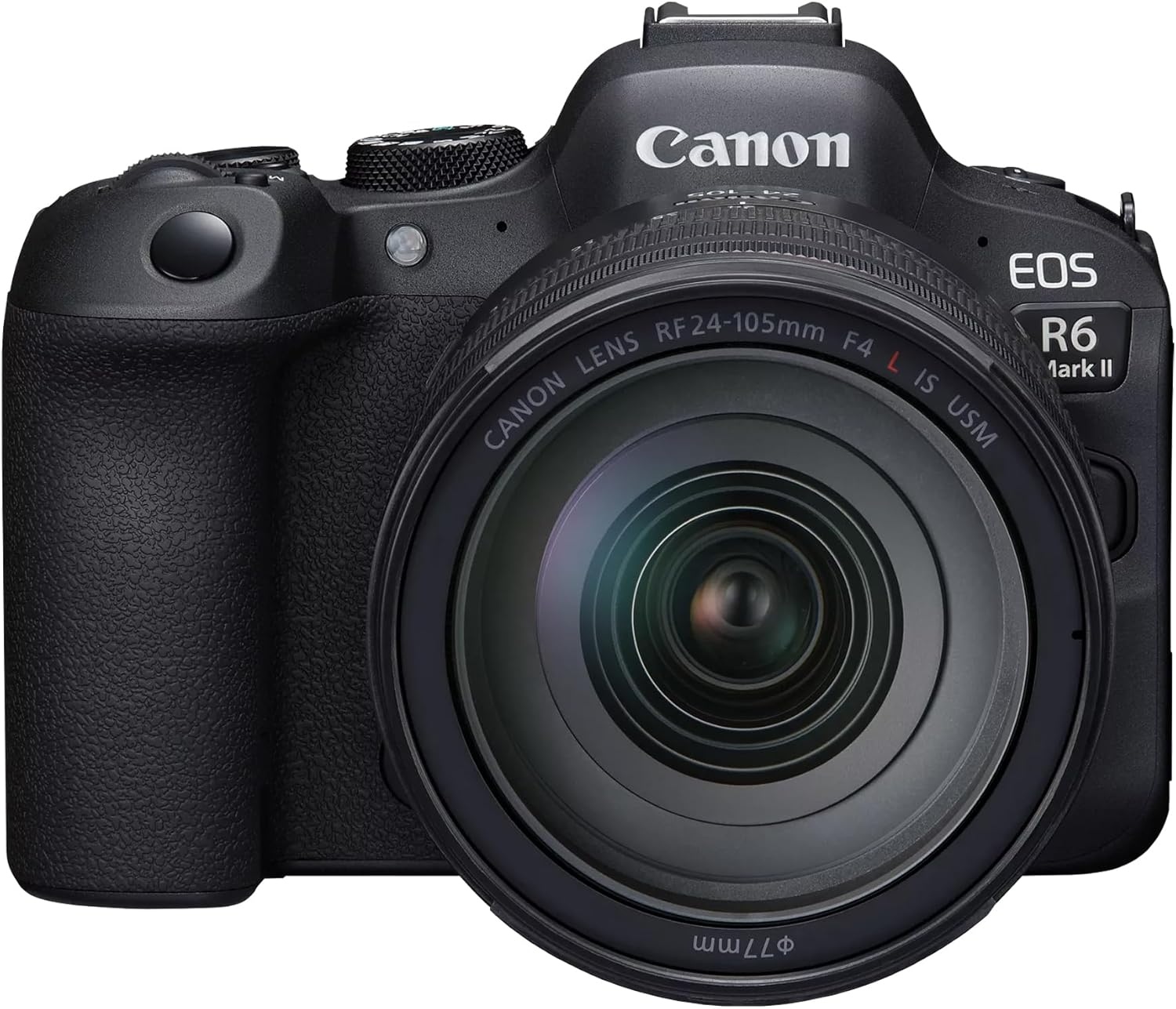
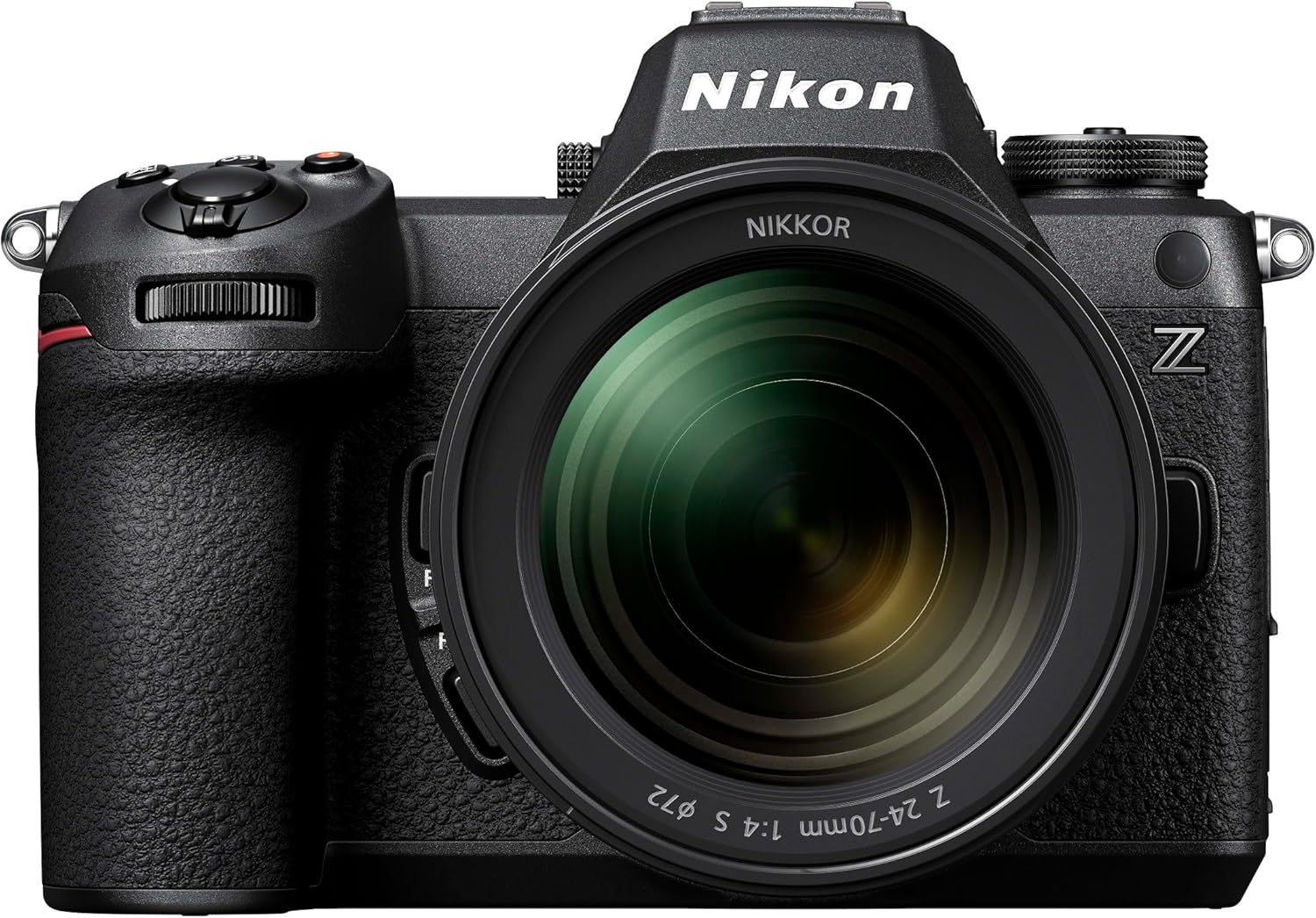
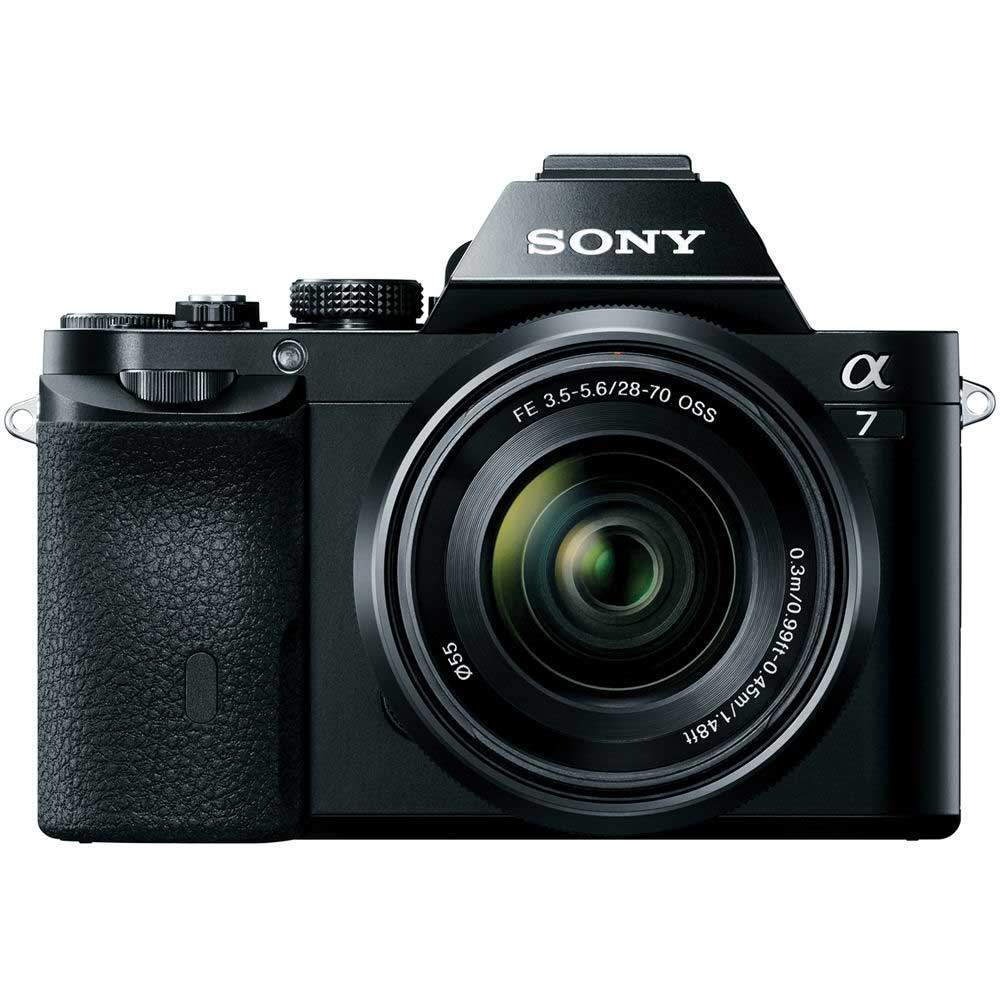
The Sony A7 IV, Canon EOS R6 Mark II, and Nikon Z6 III are leading full-frame mirrorless cameras in 2026, balancing resolution, autofocus, and video. For APS-C, the Fujifilm X-T5 and Sony A6700 are top picks. The best choice depends on your budget and the lens system you want to build.
Do mirrorless cameras need special lenses?
Mirrorless cameras use their own native lens mount, which differs from DSLR mounts. However, most brands sell adapters that allow DSLR lenses to work on mirrorless bodies — often with full autofocus. Native mirrorless lenses typically offer faster autofocus and are more compact.
Are mirrorless cameras good for video?
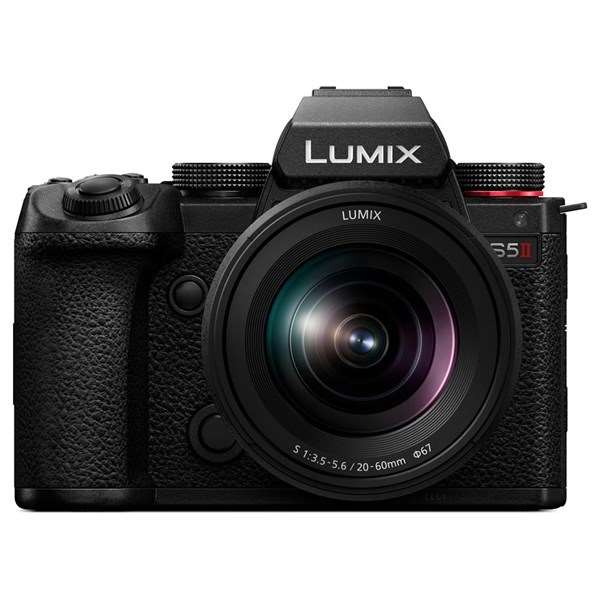
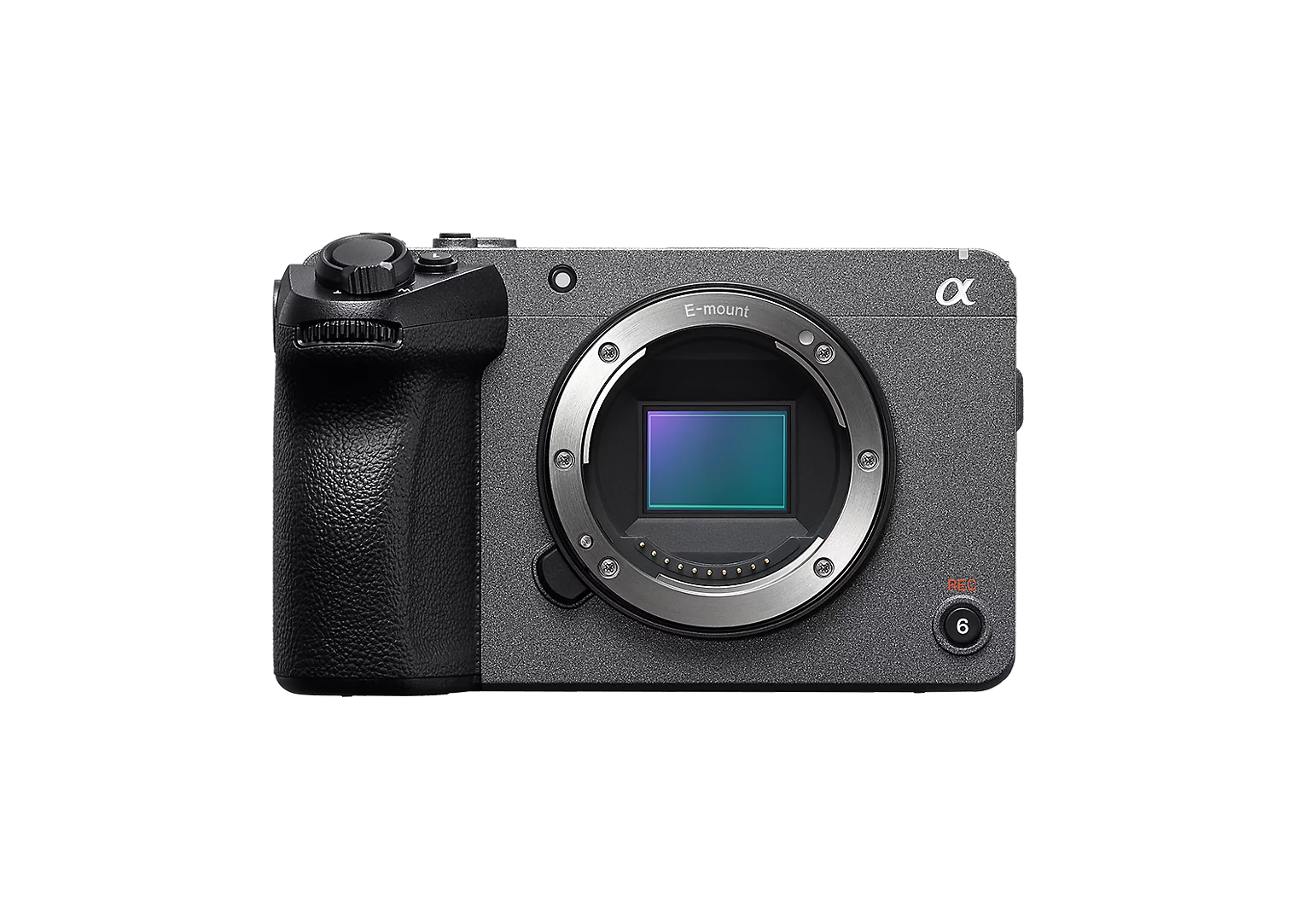
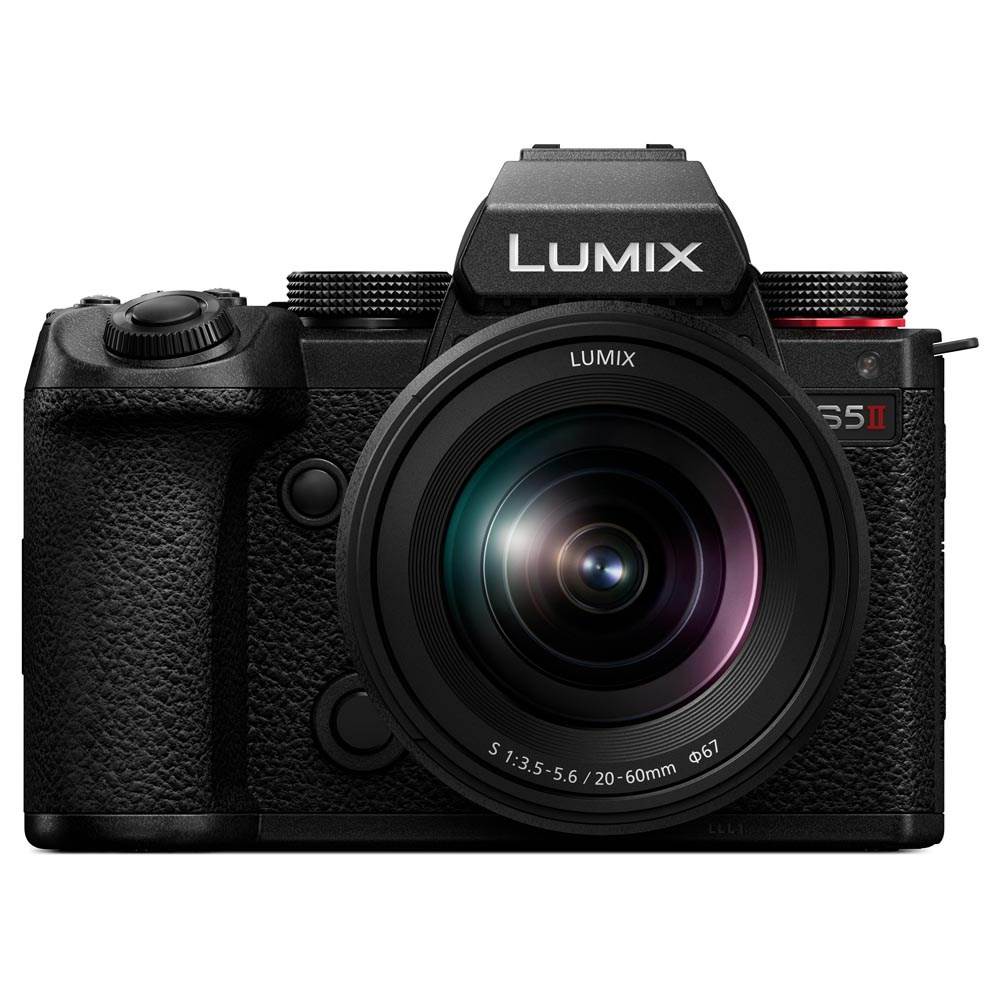
Yes — mirrorless cameras are excellent for video. Most modern models shoot 4K, many offer 6K or higher, and features like log profiles, waveforms, and clean HDMI output make them suitable for professional video work. Bodies like the Sony FX30, Canon EOS R5 C, and Lumix S5 II are particularly well-regarded for video.